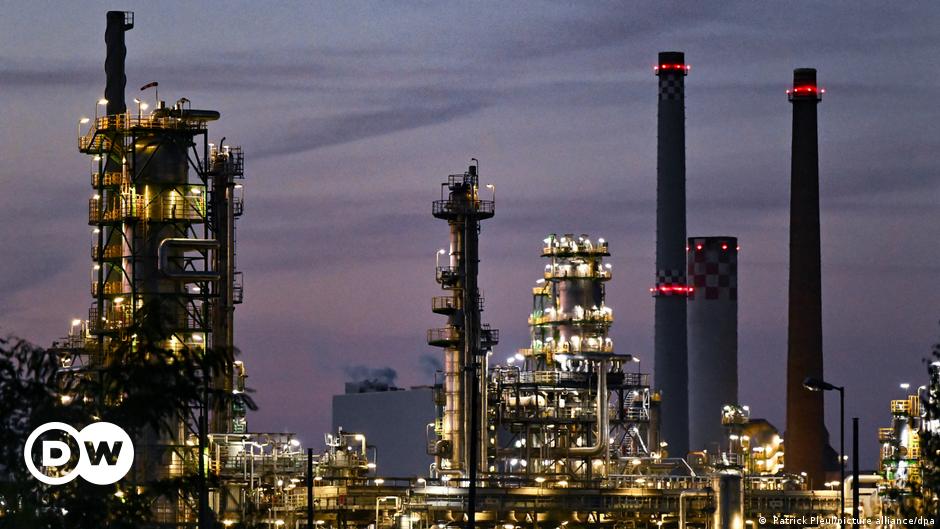
An oil pipeline of the major PCK refinery was damaged in the German state of Brandenburg on Wednesday, resulting in a "large oil spill", a spokesman for the state's environment ministry said. The PCK refinery near the border with Poland is majority-owned by Rosneft Deutschland, a local subsidiary of the Russian oil giant, and managed through a trusteeship by the German government.
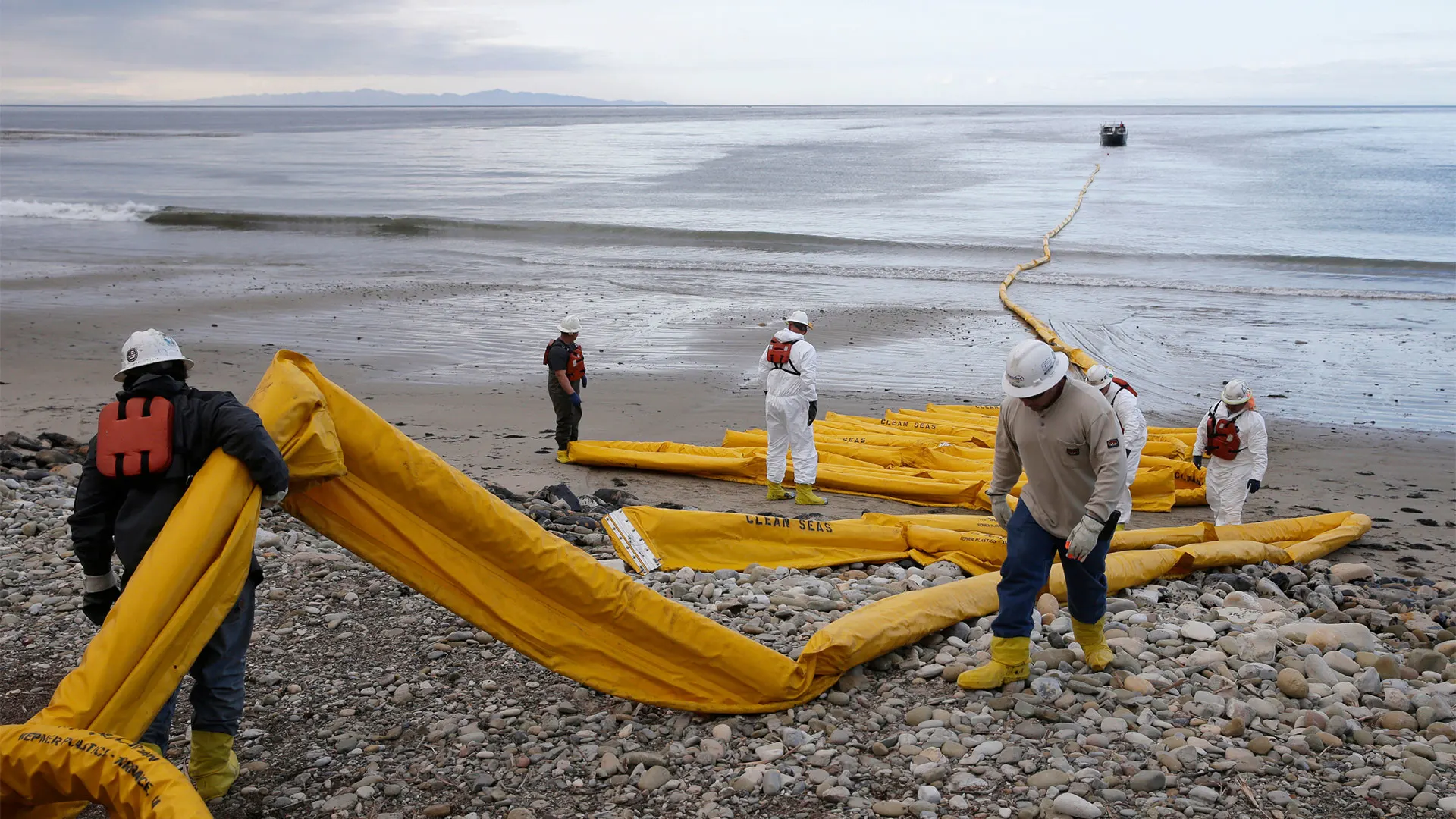
"everything counts," said Kristina Meris, a spokesperson for the California Department of Fish and Wildlife's Office of Spill Prevention and Response. "There's wildlife, there's the environment, and people live in these areas," she said. "We want to clean up everything we possibly can as quickly as we can safely."
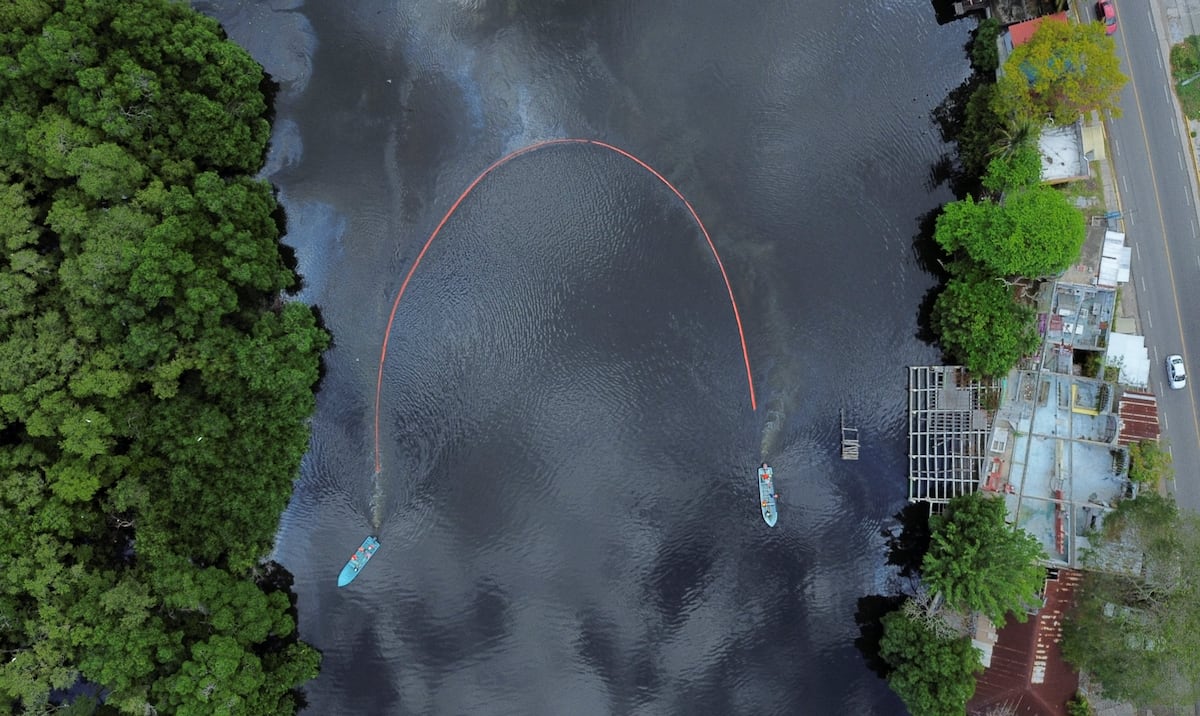
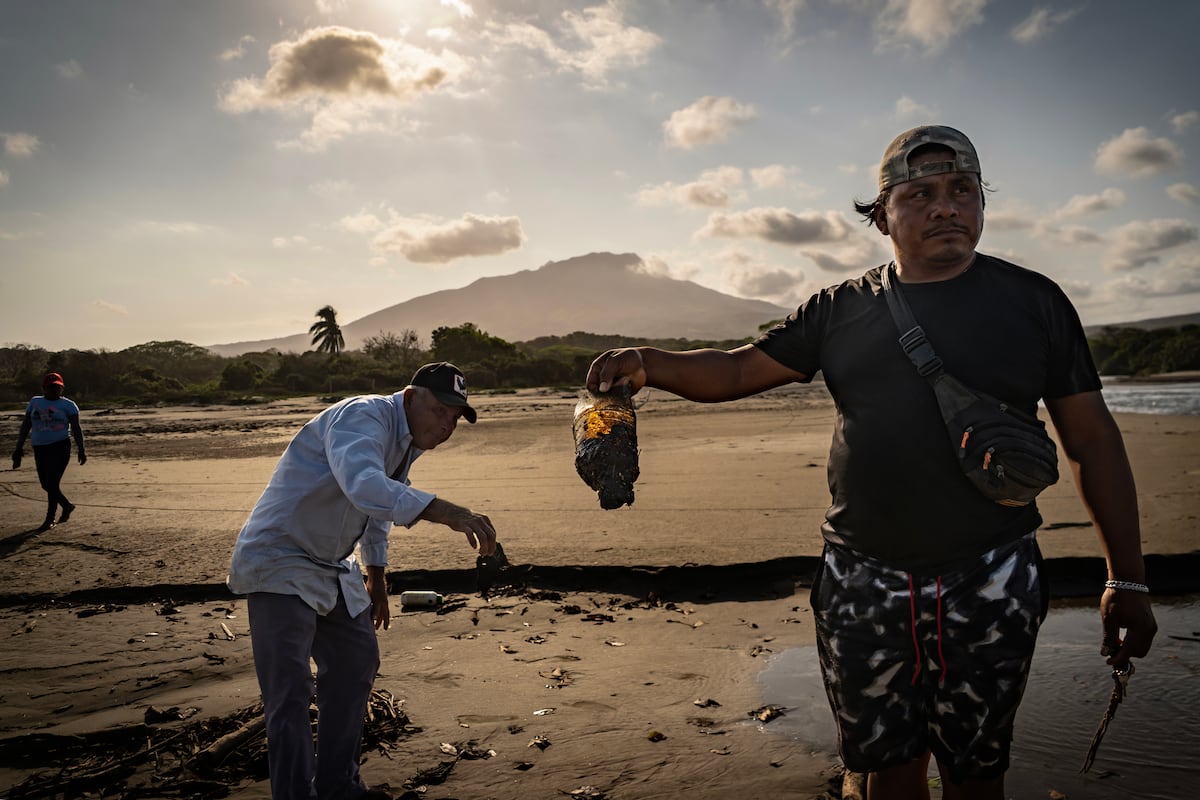
Mexico's state-run oil company said Tuesday that the torrential rains that left dozens dead and missing in east-central Mexico also damaged a pipeline, leading to a 5-mile (8-kilometer) spill along the Pantepec River. Petroleos Mexicanos, known as Pemex, said in a statement that its crews had reacted "immediately" to stop and contain the spill around the town of Alamo, one of the communities hit hardest by the recent flooding.
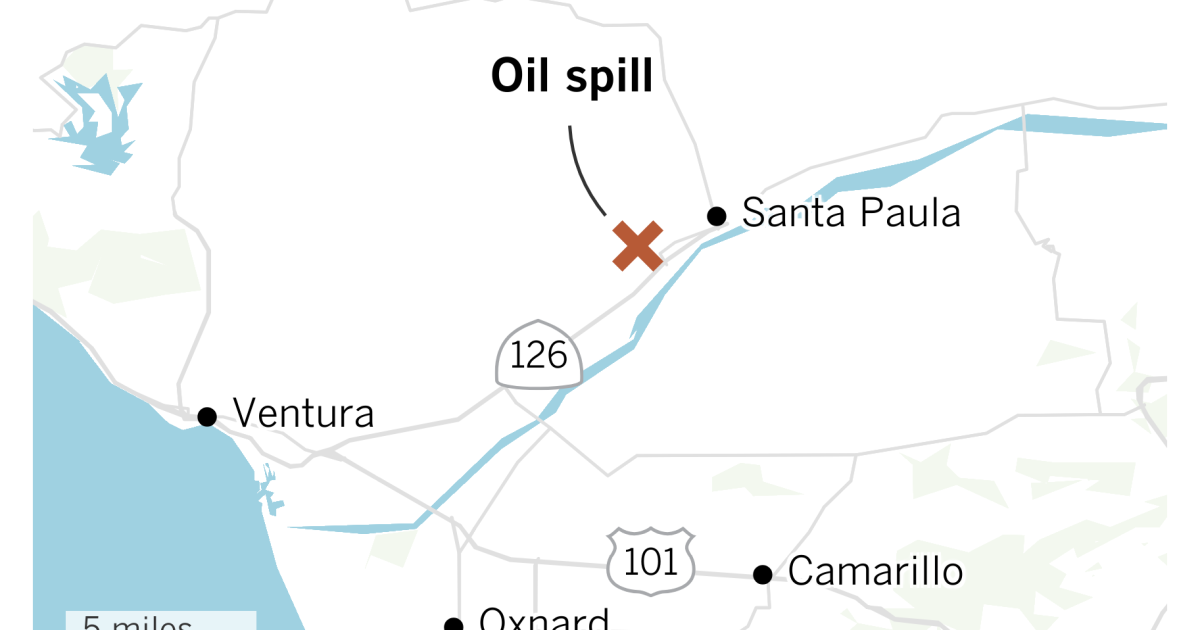
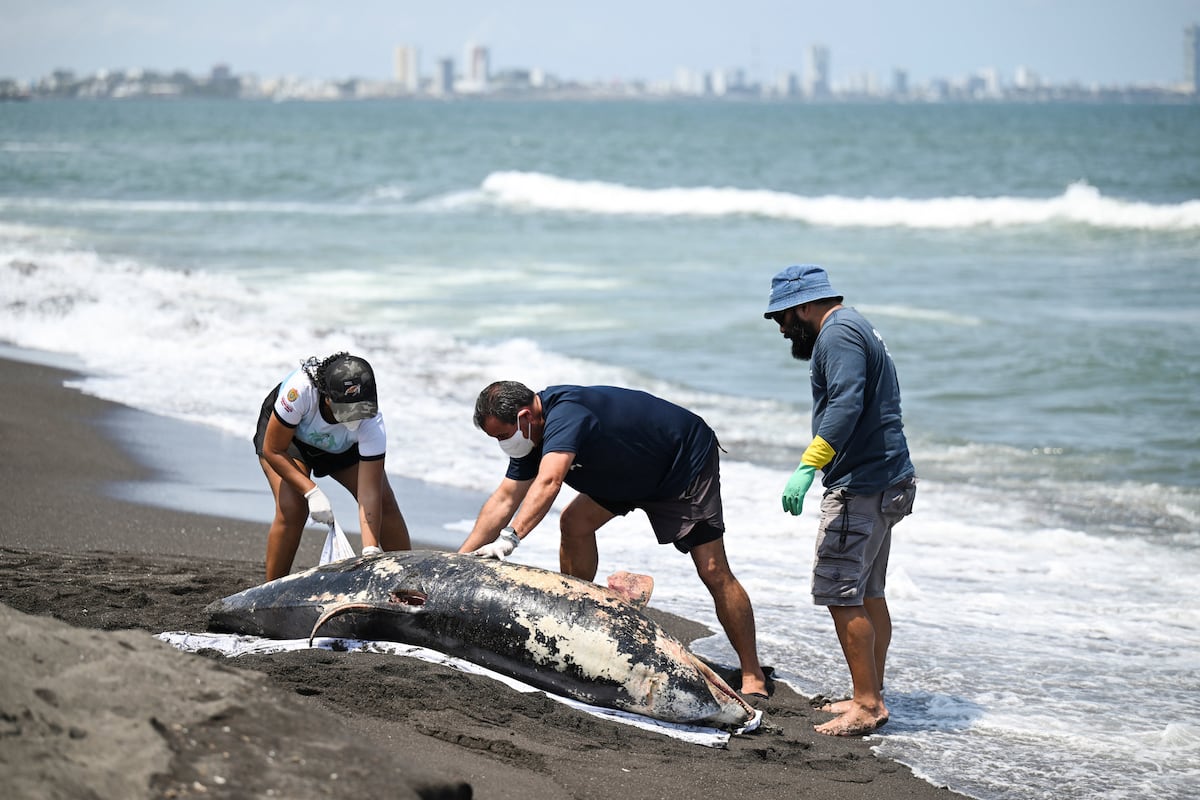
When the corroded pipeline burst in 2015, inky crude spread along the Southern California coast, becoming the state's worst oil spill in decades. More than 140,000 gallons (3,300 barrels) of oil gushed out, blackening beaches for 150 miles from Santa Barbara to Los Angeles, polluting a biologically rich habitat for endangered whales and sea turtles, killing scores of pelicans, seals and dolphins, and decimating the fishing industry.
On March 16, 1978, the oil tanker Amoco Cadiz met its tragic fate when it ran aground on the rocky shores of Brittany, France. Owned by the American petroleum company Amoco, the massive vessel was carrying an enormous load of crude oil from Saudi Arabia and Iran, along with thousands of tons of fuel oil. As fierce storms battered the ship, its hull gave way, and within hours the tanker split apart, releasing its entire cargo into the Atlantic Ocean.