#obamacare-subsidies
#obamacare-subsidies
[ follow ]
fromKqed
2 days agoHundreds of Thousands Could Be Booted From CalFresh and Medi-Cal. This Bill Aims to Help | KQED
House Speaker Mike Johnson stated that the work requirement helps 'return the dignity of work to young men who need to be out working instead of playing video games all day.' However, Saucedo countered that most benefit recipients are already employed, and research indicates that such requirements do not enhance employment or earnings.
California


fromTruthout
1 month agoFederal Funding for People in Poverty Is Going to Anti-Abortion Centers Instead
The bulk of the money Missouri gives to its crisis pregnancy centers comes from federal funds meant to assist families experiencing poverty with basic necessities and child care, Republican Rep. Jason Smith said on the U.S. House floor in January. As many as $3 of every $4 for pregnancy centers in Missouri was from the federal Temporary Assistance for Needy Families program in 2024, and in the 2026 fiscal year, it will be $2 out of $3.
Non-profit organizations
Public health
fromABC7 San Francisco
1 month agoTrump's new Medicaid work mandate could leave thousands of homeless Californians uninsured
Trump's new Medi-Cal work requirements and increased verification frequency will likely cause over 90% of unhoused Californians to lose health insurance coverage starting in 2027.
fromThe Nation
1 month agoThe Red State-Blue State Healthcare Divide Is Dangerous for Everyone
In light of the systemic dismantling of America's public health agencies, these moves essentially create a shadow infrastructure to maintain some of what is being lost. While this is a promising development, it does nothing to stop a troubling trend that has been emerging for some time: The country is quickly becoming fragmented along partisan lines when it comes to public health.
Public health
New York Islanders
fromwww.amny.com
2 months agoOp-Ed | As healthcare costs surge, lawmakers should focus on reforming rather than expanding costly government programs amNewYork
Expanding 340B program and rising healthcare costs are exacerbating unaffordability, harming minority-owned businesses, and lacking transparency and oversight.
US politics
fromwww.twincities.com
2 months agoHow abortion coverage threatens to prevent a congressional deal on health care subsidies
Bipartisan lawmakers support reviving expired federal health-care subsidies, but abortion coverage disputes threaten compromise and could leave millions facing higher premiums.
Healthcare
fromBusiness Insider
1 month agoWaiting for Medicare and skipping prescriptions: Meet the Americans on the brink of losing health insurance
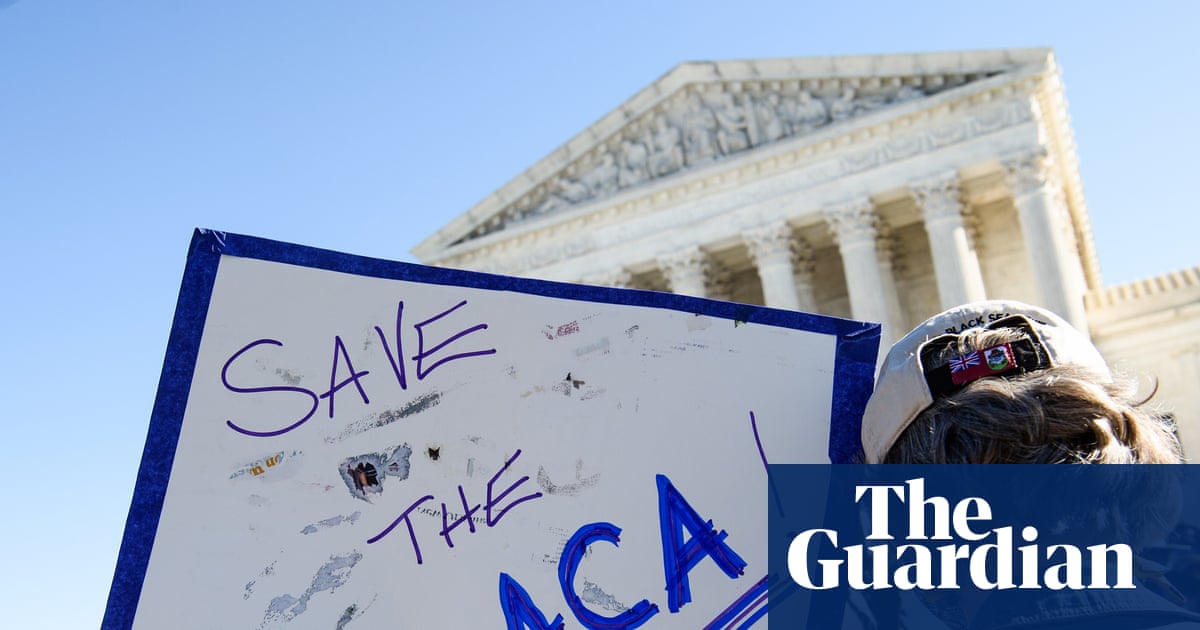
Expiration of enhanced ACA subsidies on December 31 caused monthly premiums to spike hundreds of dollars, forcing over 1 million Americans to cancel marketplace plans between early 2025 and 2026.
fromwww.npr.org
1 month agoA bipartisan effort to save health subsidies failed. Will ICE reform be different?
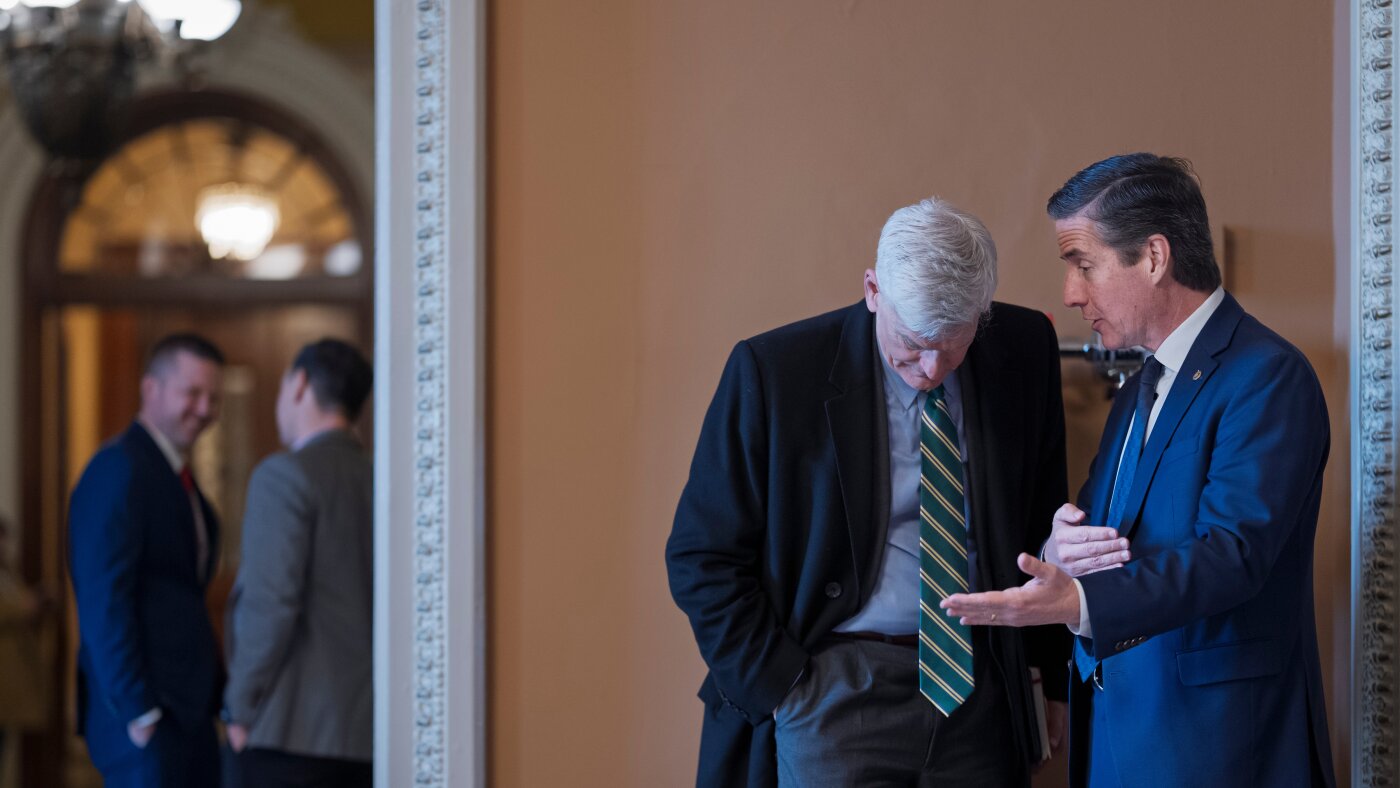
A month ago, Sen. Bernie Moreno, R-Ohio, was projecting confidence that a bipartisan group of lawmakers was nearing a deal to restore lapsed health insurance subsidies. The enhanced Affordable Care Act subsidies expired at the end of last year, despite a majority of Americans in favor of Congress renewing them, according to polling from the nonprofit KFF. "We're in the red zone," Moreno told reporters. "But that does not mean a touchdown. It could mean a 95-yard fumble."
US politics
fromwww.mercurynews.com
2 months agoObamacare enrollment dips in Bay Area after extra subsidy expires
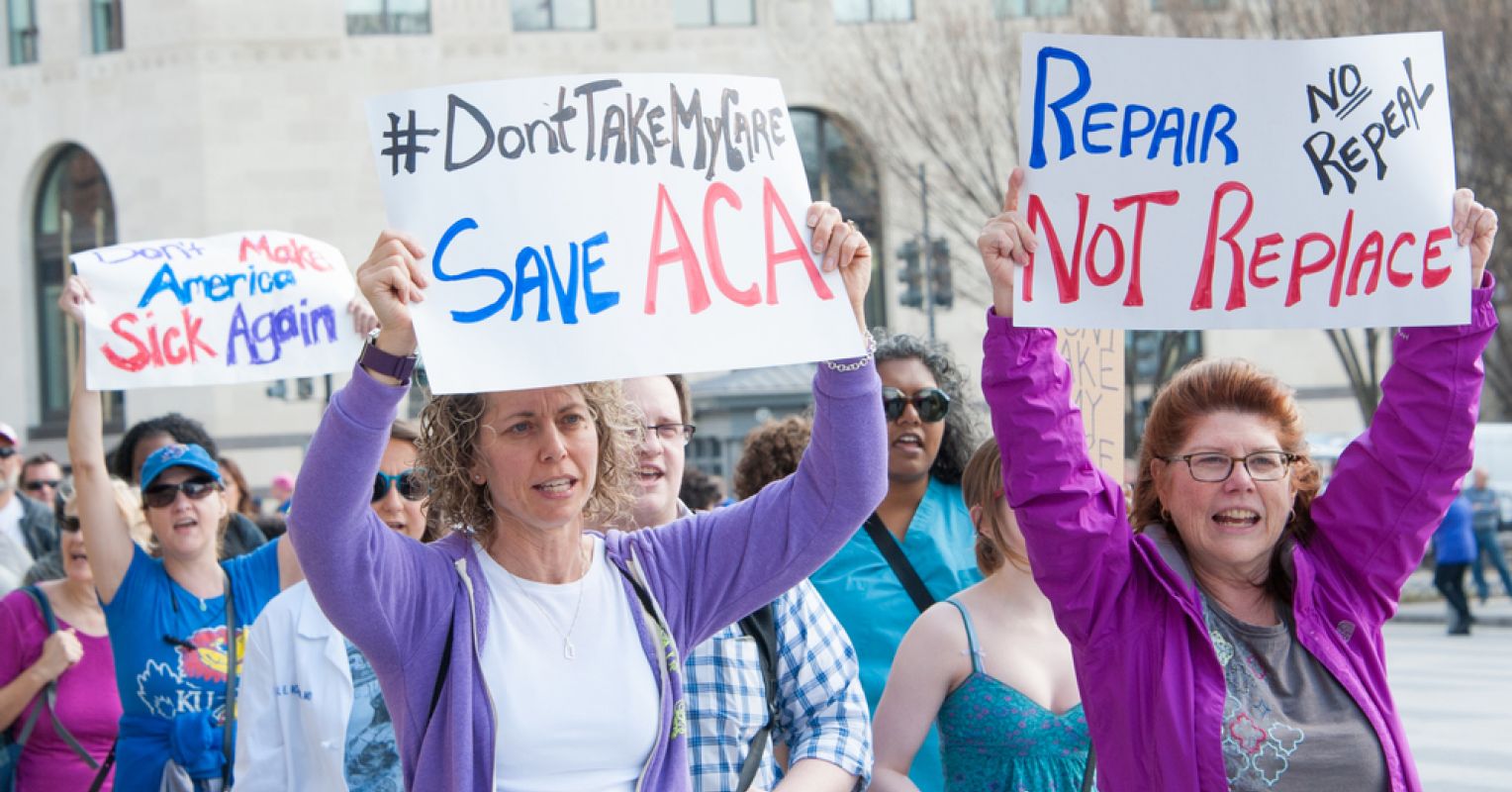
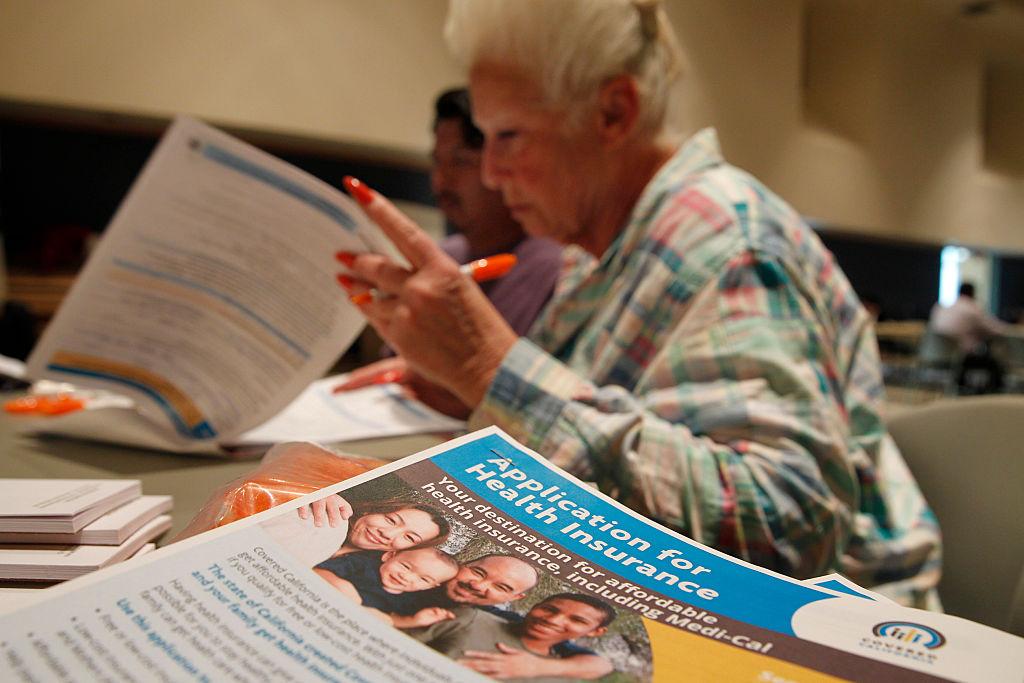
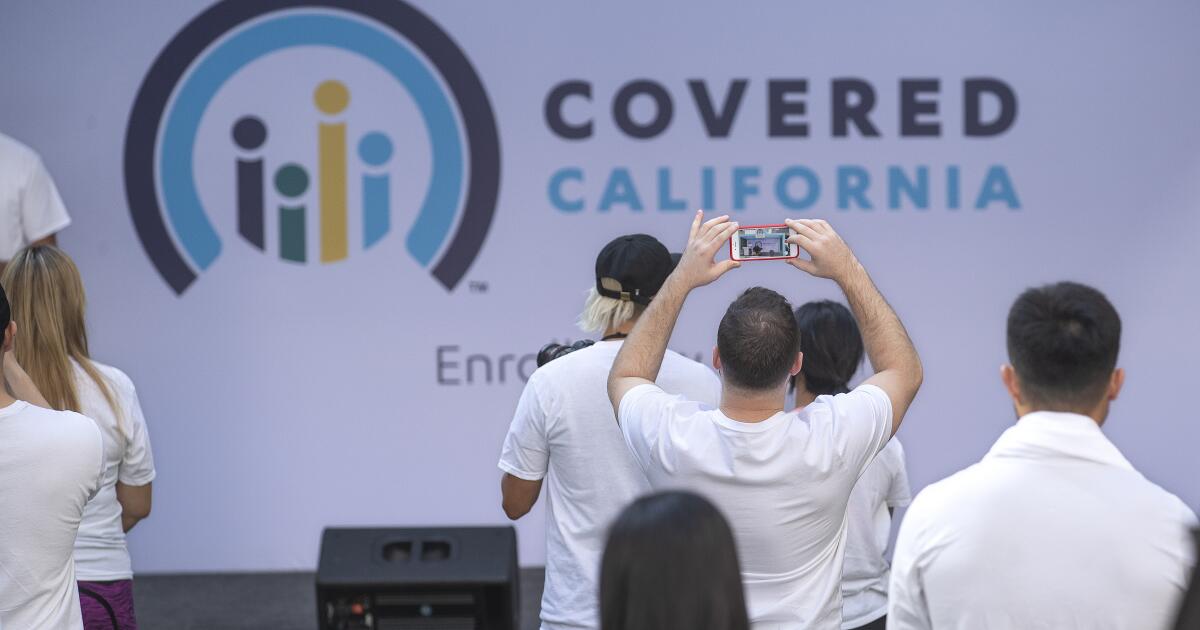
Enrollment in Obamacare is slowing down in California after Republicans in Congress opted not to extend a policy that beefed up financial assistance for patients, a move that led to the longest federal government shutdown in U.S. history. About 175,000 people statewide have newly enrolled in Covered California, the state's Affordable Care Act marketplace, so far for 2026. That's a 31% decrease from this time last year, data shows. Health experts expect bigger declines in the coming months, as more enrollees receive notice of price hikes and cancel their plans.
Public health
fromwww.npr.org
2 months agoTrump health care plan doesn't help people facing skyrocketing ACA premiums
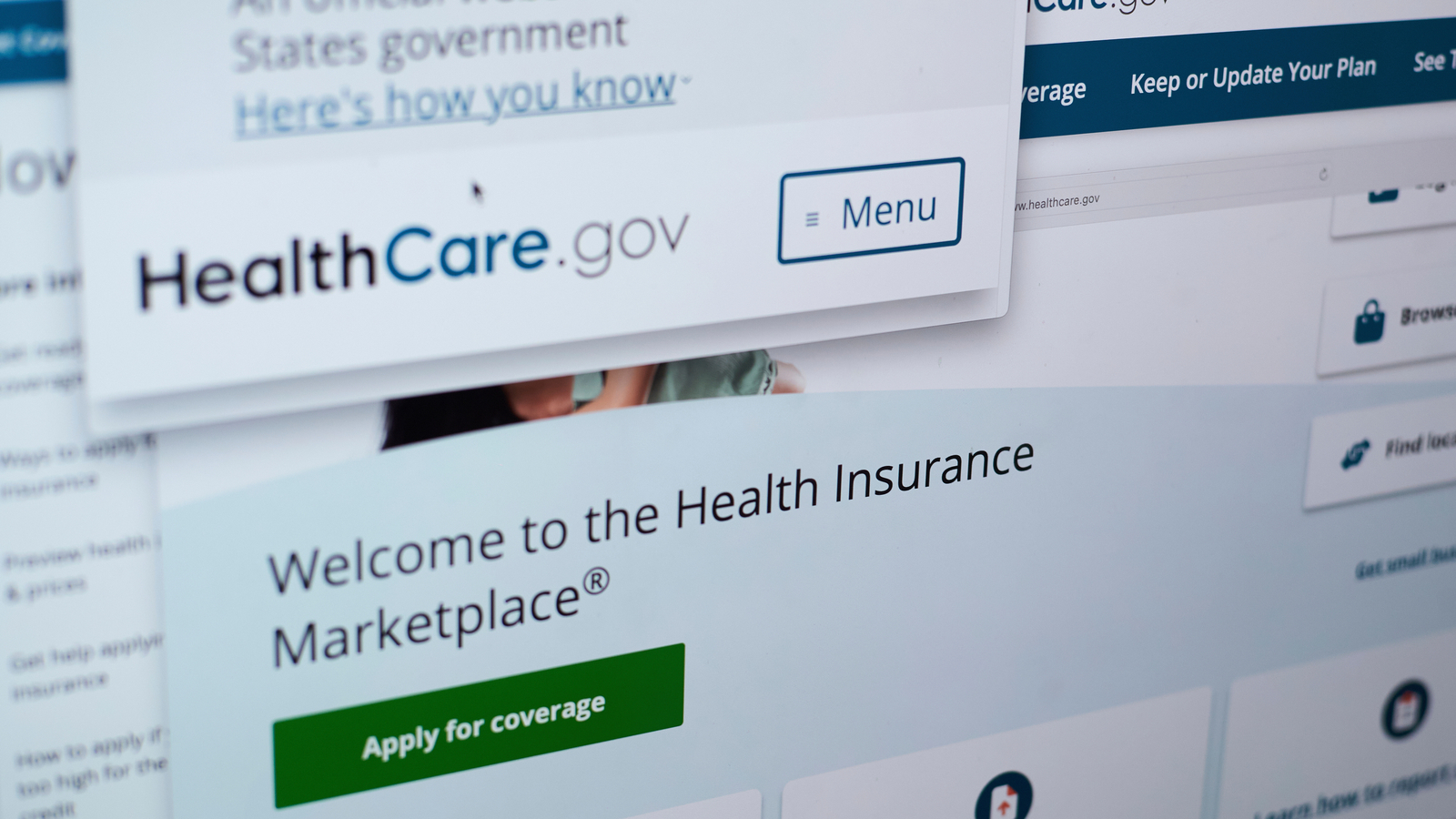
The plan does not include a remedy for people who buy their health insurance on Healthcare.gov, some of whom are facing sky-high premium hikes this month. Trump dubbed the ideas "The Great Healthcare Plan." According to a White House fact sheet and a press call hosted by Medicare and Medicaid chief Dr. Mehmet Oz, the planned legislation, which the administration is asking Congress to develop, has four pillars: Drug price reforms Health insurance reforms Price transparency for health costs Fraud protections and safeguards
US politics
Public health
fromkffhealthnews.org
2 months agoMedical bills can be vexing and perplexing. Here's important advice for patients
High and confusing medical bills affect insured and uninsured due to coverage gaps, unexpected plan restrictions, billing practices, and complex retroactive policies like COBRA.
[ Load more ]