World news
fromwww.dw.com
2 days agoFragile Iran truce brings brief relief to African markets
Sub-Saharan Africa experiences cautious relief from a ceasefire, but rising global prices threaten economic recovery and household budgets.
Nigeria has become a major destination for the developed world's discarded electronics, items often near the end of life, sometimes completely dead, and frequently toxic because they contain hazardous materials.
The ongoing conflict between the US and Israel against Iran is creating significant challenges for Gulf Arab nations, which are already feeling the economic strain from rising tensions and instability in the region.
The inaugural edition is organized around the central theme "Shifting the Center: From Fragility to Resilience," reclaiming African architecture's place as a site of spatial intelligence and cultural memory.
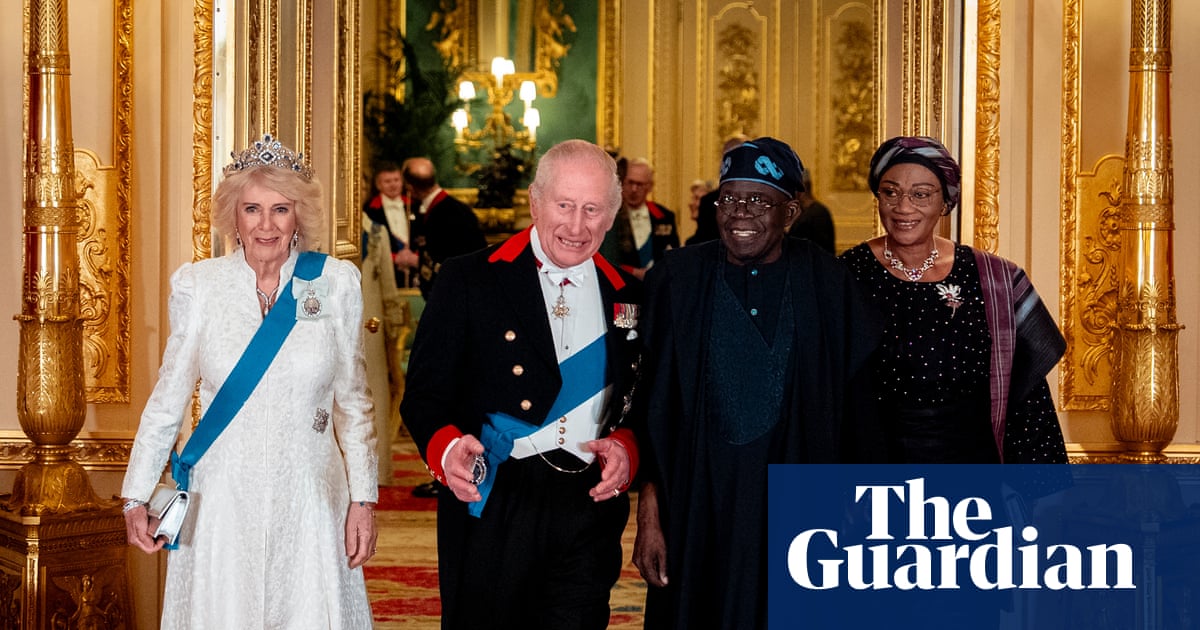
Several Nigerian financial institutions are significantly expanding their UK presence, with the banking sector expected to be a major driver of new employment. Zenith Bank has opened a new branch in Manchester, creating up to 30 direct jobs and providing a boost to the North West economy. The bank is also exploring a potential listing on the London Stock Exchange in 2027 as it seeks to deepen its presence in British financial markets and strengthen investment flows between the UK and Africa.
Abuja was named the capital city of Nigeria on December 12, 1991. Located in the central Federal Capital Territory (FCT), it replaced the most populous coastal city of Lagos in a process of structural reform aimed at national integration and more balanced regional development.
Oumy is a leading figure in contemporary Senegalese music. Her style, which blends hip-hop, African R&B and global pop, makes her one of the most exciting artists on the country's urban scene. Beyond her music career, she has also been involved in social projects within her community, participating in cultural festivals and campaigns related to the environment and equality.
At raves, the dance floor is present. You go to a usual Lagos party, and there is no dance floor. We barely have spaces to just dance, spaces you can just go to literally have a nice time. Most places you have to make a reservation, or book a table, it is a lot more complicated.
Expanding your startup into Africa is one of the most ambitious and potentially rewarding moves you can make as a founder. With a rapidly digitalising economy and a booming young population, the continent offers a growth trajectory that is hard to find elsewhere. However, as you begin to scale, you will quickly realise that the financial landscape is not a monolith. Navigating 54 different countries means managing dozens of volatile currencies and banking systems.
I started out getting vegetables from Goma and selling them in this market. I never expected to be the one rebuilding it decades later, says Bakarani. We have built a market with local people, especially our mothers and sisters, in mind. We have kept the concept of the old one but have enlarged it, and it is more functional. It was a nightmare imagine what it was like for our mothers or sisters selling there exposed to the sun from morning till evening Dieudonne Bakarani
Nigeria is struggling to retain confidence in elections amid dwindling turnout and patchy result reporting. However, whether the vast, unstable country is capable of delivering results in real time is an open question. Following major pressure from trade unions and civil society, Nigeria's Senate on Tuesday reversed its earlier decision to reject plans for the real-time electronic transmission of election results in future.
From Senegal to Somalia and Egypt to South Africa, credit alert notifications from fintech apps such as Western Union or WorldRemit often set the mood for the rest of the day, week or even month. Transfers from workers within the continent and the diaspora to their relatives are often referred to as the black tax, whereby one person's salary and relative success can become the safety net for a whole extended family.
For the first time in our history, more than 70% of Africans are under the age of 30. This, along with entrenched inequalities, poverty, unemployment and socioeconomic fault lines, is reshaping how our societies interact with one another and the world. This is Africa's most consequential decade. Leaders who take office over the next 10 years will have to deliver on difficult mandates within a political, economic and social landscape that has been fundamentally altered.