#nieves-barragan
#nieves-barragan
[ follow ]
#contemporary-art #contemporary-painting #mexico-city #materiality #san-francisco #art-exhibition #belonging
fromdesignboom | architecture & design magazine
5 days agosara ricciardi releases the chemistry of happiness inside milan's pinacoteca di brera
'Give them a smile, you know, something that can also be a deeper level of understanding,' Sara Ricciardi tells designboom, framing the installation as an immediate emotional trigger before it unfolds into something more layered.
SOMA, SF
Renovation
fromdesignboom | architecture & design magazine
6 days agolina ghotmeh floods milan's palazzo litta with pink labyrinthine landscape
Palazzo Litta is transformed into a dynamic, inhabitable landscape with Lina Ghotmeh's installation, creating a dreamlike experience during Milan Design Week 2026.
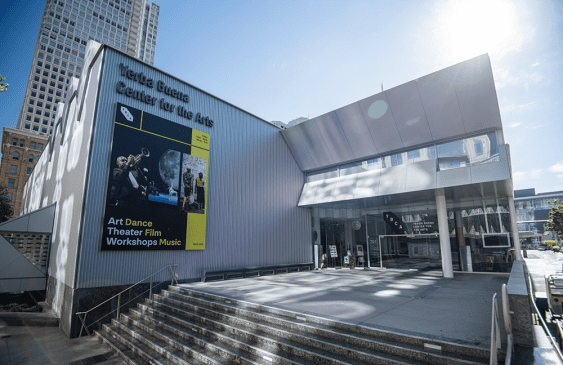
fromMetro Silicon Valley | Silicon Valley's Leading Weekly
1 week agoMiguel Novelo: Inframundo in San Jose | Metro Silicon Valley | Silicon Valley's Leading Weekly
Inframundo invites visitors to look inward and become a rock, drawing on the landscape shaped by cenotes, which are thought to be portals to the Maya underworld.
Silicon Valley
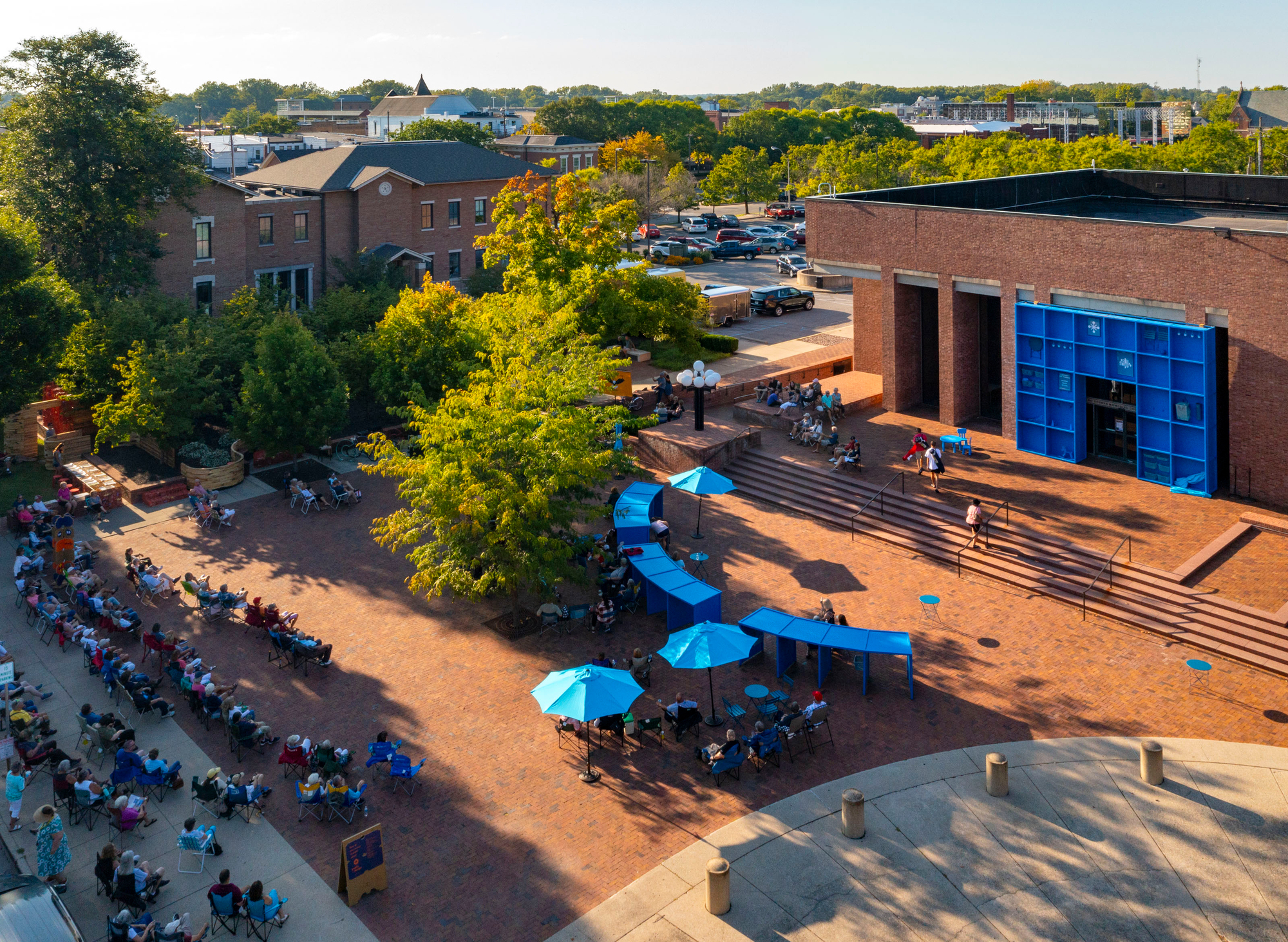
fromdesignboom | architecture & design magazine
1 week agopilar zeta's sculpted portals transform public spaces into pocket dreamworlds
Pilar Zeta builds environments like dreams that feel like stepping into a thought mid-formation. Her sculptural works take shape in the form of portals and objects that invite direct engagement, as visitors are invited to walk through them and notice subtle shifts in perception.
Design
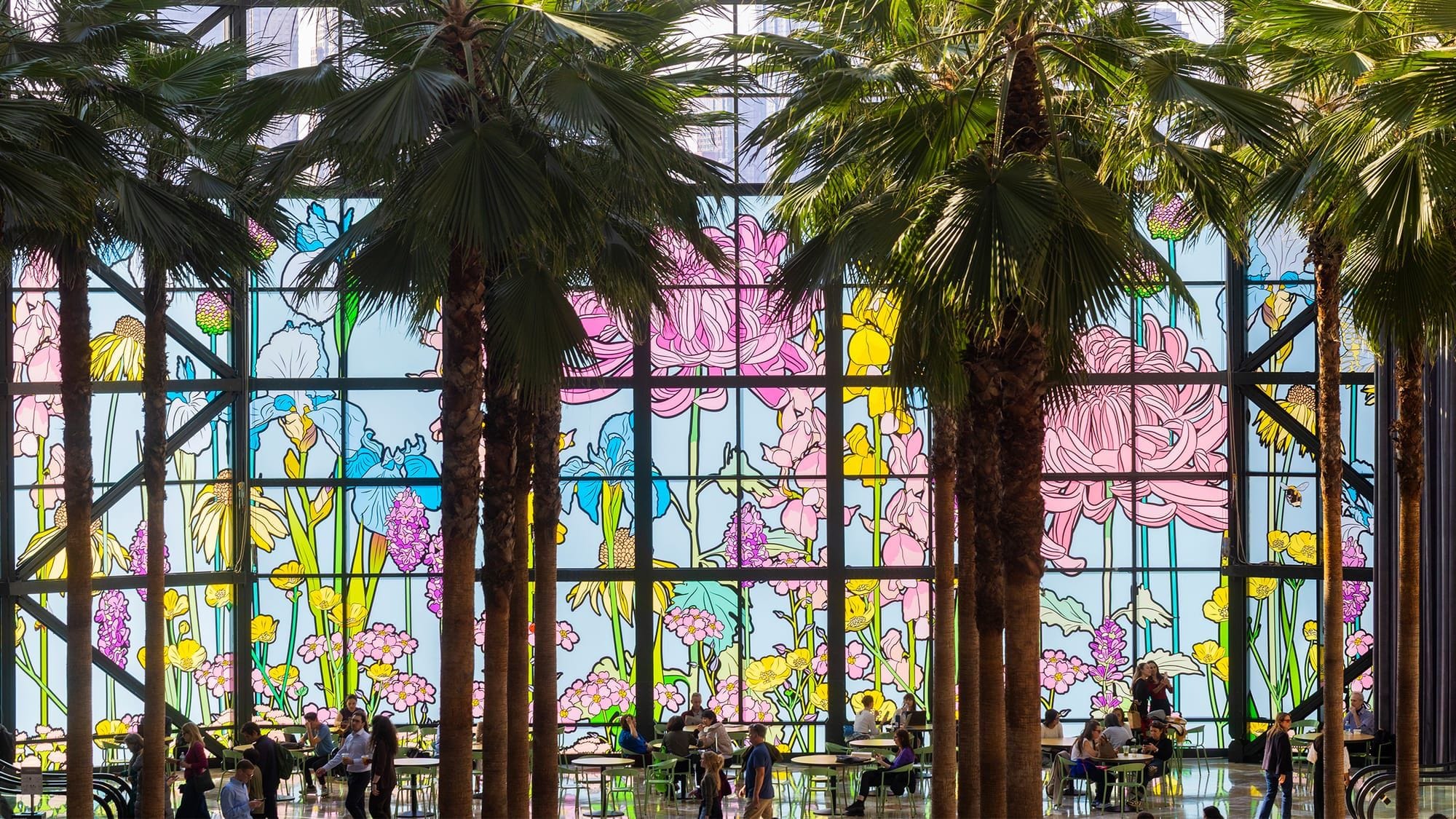
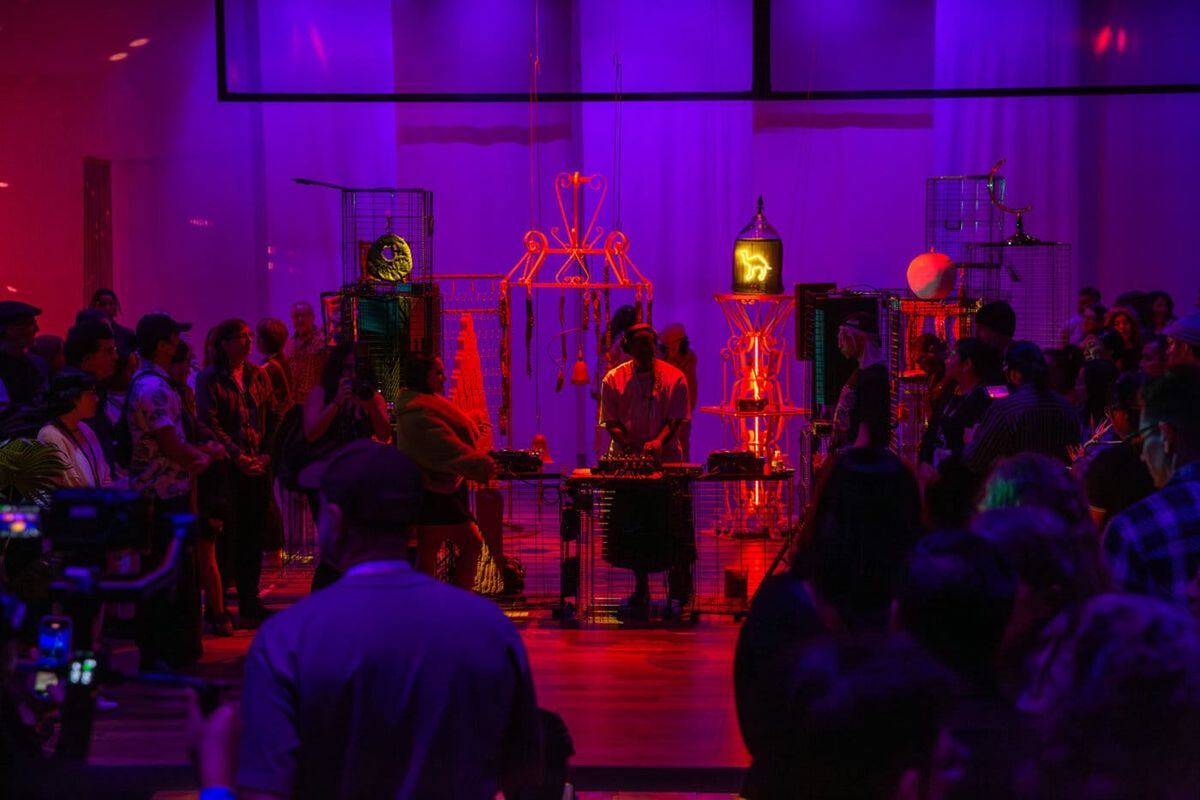
fromThe Art Newspaper - International art news and events
1 week agoNew Bienal de Yucatan to spotlight Mexican region's growing art scene
"After I first visited Mérida in 2013, I was amazed by the heritage, artists and its art school-now a university-yet I noticed a lack of local exhibiting programmes. Since then, I began dreaming of a biennial which would strengthen and draw visibility for contemporary art in the region."
Arts
fromBOOOOOOOM!
1 month agoIllustrator Spotlight: Cezar Berje
Cezar Berje's visual approach is a mix of chaos-vibrant colours, symbols, and new age psychedelia. His illustrations often suggest universes within universes, with each part of the image telling its own story through symbols and references.
Graphic design
Renovation
fromdesignboom | architecture & design magazine
1 month agotwo intersecting volumes of black concrete carve mavra house into the mexican landscape
Casa Mavra in Valle de Bravo features two angular black concrete volumes designed by TAC Taller Alberto Calleja, organized as intersecting forms that connect interior spaces with the surrounding landscape through continuous walls and controlled openings.
Design
fromdesignboom | architecture & design magazine
1 month agowith a pavilion crafted through collective embroidery, izaskun chinchilla tests urban utopia
Utopian thinking emerges through small-scale collective craft practices like embroidery rather than ambitious masterplans, creating tangible contributions to better communities.


Design
fromdesignboom | architecture & design magazine
1 month agoluis barragan's la cuadra san cristobal reopens to the public with two exhibitions in mexico
La Cuadra, Luis Barragán's 1968 equestrian complex, reopens as a public cultural campus under Fernando Romero's direction, launching with exhibitions dedicated to Barragán and Felix Gonzalez-Torres.
Renovation
fromwww.archdaily.com
1 month agoMuimenta Social Center / Eduardo Dipre Mazza + Daniel Gomez Magide + Miguel Angel Diaz Gonzalez
A multi-purpose social center in rural Galicia revitalizes an abandoned village through infrastructure rehabilitation, economic activity generation, and improved quality of life for residents.
fromHyperallergic
1 month agoWhat Do We Really Think of the New New Museum?
The new New Museum is many things: contemporary, perhaps, but also a science, history, anthropology, and many other museums in one. It echoes the desire of its patron class to own the world and its affiliated courtier class to deliver it to them on a silver platter, or encased in perforated metal, in this case.
Arts
fromDesign Milk
2 months agoInside Lee Broom's Latin American Exhibition at Diez Company
Now, he celebrates his first major presentation in Latin America, in congruence with Mexico City Art Week 2026 and ZSONAMACO, showcasing on an ideal stage inside one of the city's most architecturally layered interiors. Titled The Resident, the site-responsive installation, created during a residency at the Diez Company house, transforms the historic showroom into an immersive tableau where more than 50 works negotiate the boundaries between collectible design, contemporary art, and spatial theater.
Design

fromArtnet News
1 month agoA New Show on Picasso's Religious Roots Opens in a Spanish Cathedral
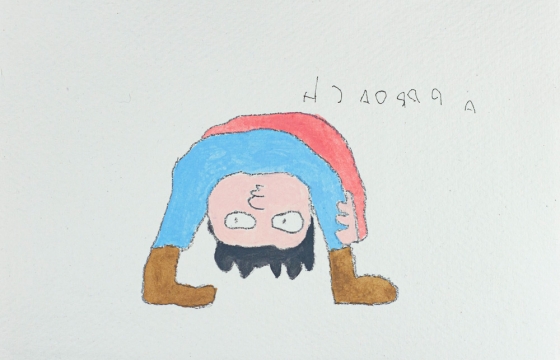
At first glance, this curatorial oversight is hardly surprising. After all, Picasso was an atheist and Communist supporter whose ever-shifting practice seemed to chafe against centuries of religious art. Indeed, in a well-known episode from the 1940s, Picasso personally confronted Henri Matisse for accepting the Vence chapel commission.
Arts
Arts
fromArtnet News
2 months agoFrom Pop Stars to Saints, Nieves Gonzalez Is Rewriting the Rules of Portraiture | Artnet News
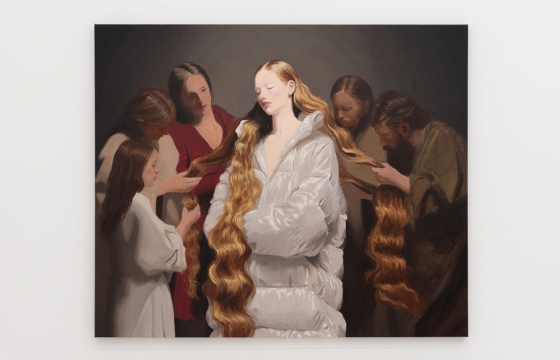
Nieves González paints portraits of women that fuse Spanish Baroque dignity with contemporary elements like signature colorful puffer coats, creating mythic yet modern figures.
Arts
fromThe Art Newspaper - International art news and events
2 months agoMexico City's art scene gravitates to Santa Maria la Ribera neighbourhood
Santa María la Ribera has become a growing hub for contemporary Mexican artists, offering affordable studios, large Porfirian-era spaces, and new exhibition venues.
fromThe Art Newspaper - International art news and events
2 months agoExhibitions to see during Mexico City Art Week
Taking over the colourful Casa Gilardi, Luis Barragán's last commissioned residence, built for the advertising executive Francisco Gilardi in the mid-1970s, the German artist Gregor Hildebrandt transforms the house's stylish rooms with an ever-expanding exhibition of his enigmatic works across various media. Known for transforming outmoded analogue recording media-including audio cassettes, VHS tapes and vinyl records-into paintings, sculptures and large-scale installations, the Berlin-based artist's conceptual works explore themes of memory, nostalgia and the physical representation of intangible sound and sight.
Arts
fromJuxtapoz
2 months agoJuxtapoz Magazine - Zigzags and Curves: Sarah Crowner @ Galerie Nordenhake Mexico City
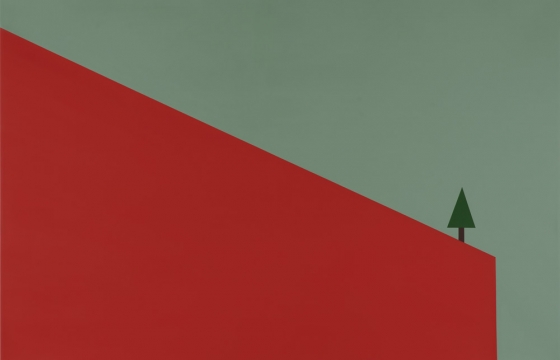
Galerie Nordenhake Mexico City is pleased to present Zigzags and Curves, an exhibition by Sarah Crowner that brings together her sustained research into geometry, abstraction, and the expanded language of painting. Presented across two sites - the gallery's Mexico City space and Casa Roja in Lomas de Chapultepec-the exhibition takes its title from the fundamental graphic elements that structure Crowner's visual vocabulary: the zigzag and the curve.
Arts
Arts
fromThe Art Newspaper - International art news and events
2 months agoCelebrations at Mexico's Museo Experimental El Eco
Museo Experimental El Eco, designed by Mathias Goeritz, reopened twenty years ago and is now gaining national heritage recognition while showcasing new commissions and performances.
fromColossal
2 months agoRegina Silveira Pieces Together an Evolving Narrative of Latin America
Regina Silveira has spent the better part of three decades considering the relationship between media and meaning, particularly as it relates to Latin America. First presented in 1997, "To Be Continued..." features 100 black-and-white reproductions of photos, newspaper clippings, propaganda, advertisements, and more. Silveira nests each image into an oversized puzzle piece, which cuts off faces and scenes to leave fragments of pop culture icons, flora and fauna, and even the occasional mugshot spliced next to one another.
Arts
fromThe Art Newspaper - International art news and events
2 months agoAt Mexico City's Material and Salon Acme fairs, artists find hope in nature
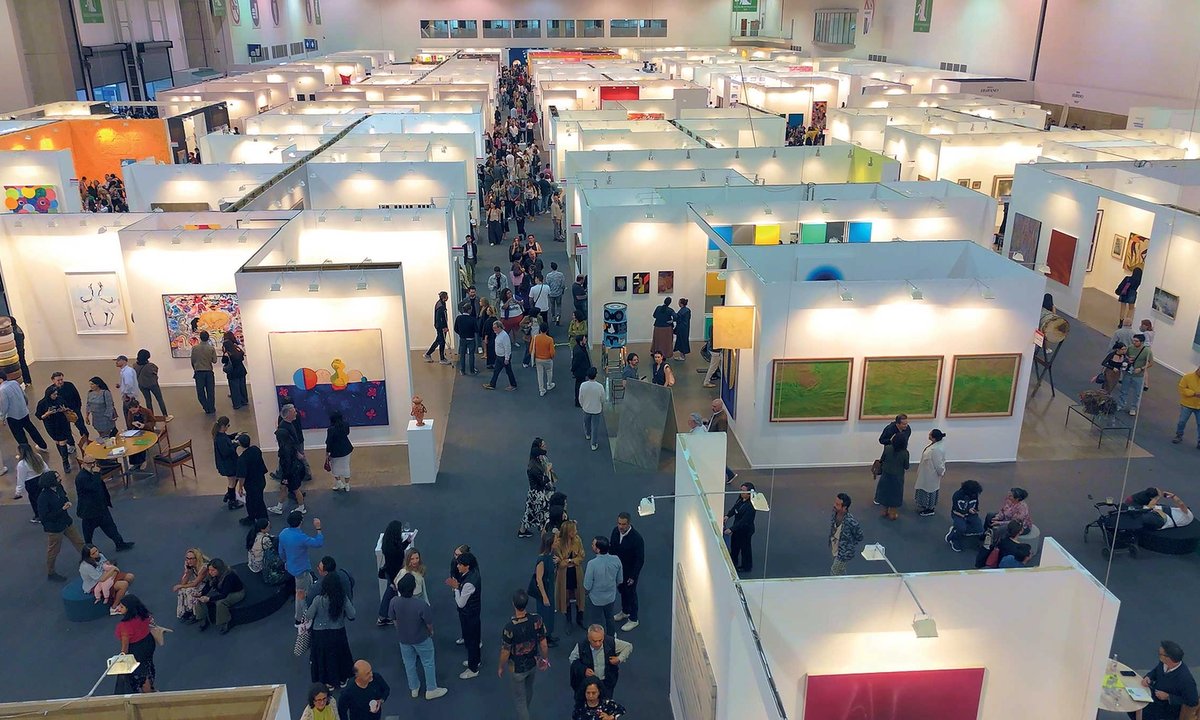
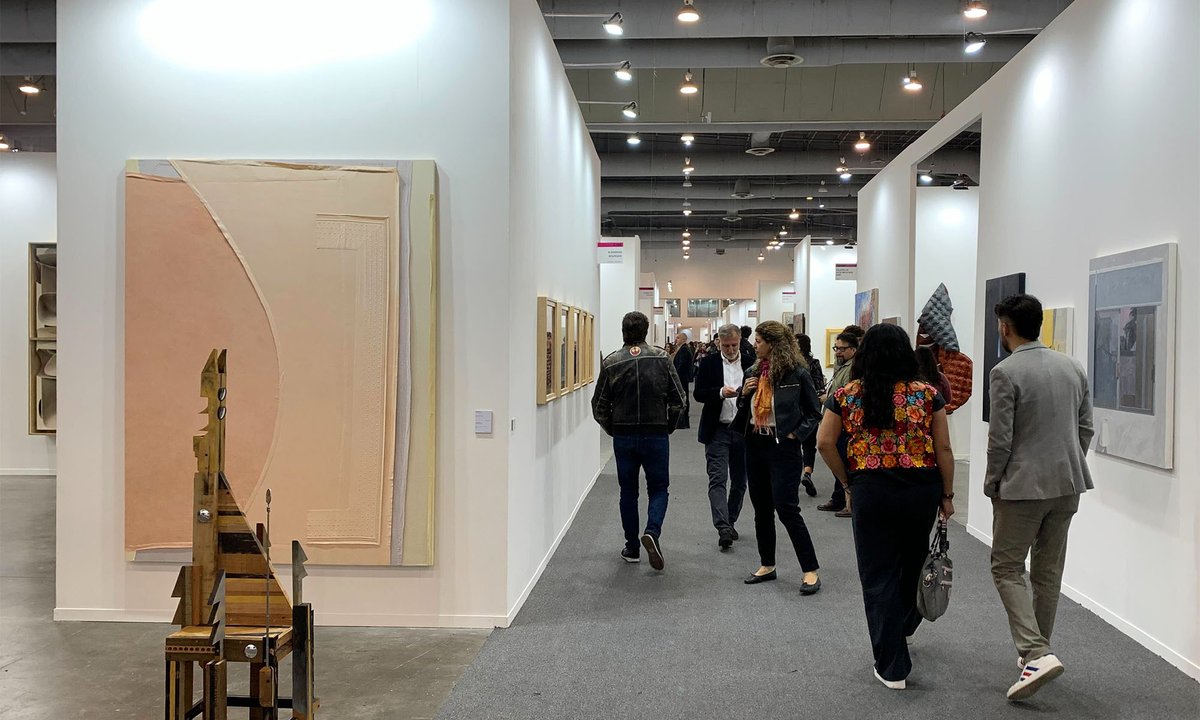
"The new venue has allowed us to develop the experience of the fair-it lends itself to being more of a destination," Brett W. Schultz, the co-founder and director of Material, tells The Art Newspaper. The fair features over 70 exhibitors this year, with an especially strong contingent of Mexico City galleries that, like Material, have been around for a little over a decade.
Arts
fromJuxtapoz
2 months agoJuxtapoz Magazine - Oscar Murillo: "el pozo de agua" @ kurimanzutto, Mexico City
OSCAR MURILLO (b. 1986, La Paila, Colombia) has developed a multifaceted and challenging practice that spans painting, collaborative projects, video, sound and installation. Through each body of work, the artist probes ideas of collectivity and shared culture, demonstrating a commitment to the power of material presence alongside complex meditations on contemporary society. A focus on the social dimension that sits on the border between performance and events is also central to Murillo's practice.
Arts
Arts
fromArtnet News
1 month agoThe Whitney Biennial's Hottest New Artist Is Also Its Oldest | Artnet News
92-year-old Carmen De Monteflores emerges as a breakout star at the Whitney Biennial, exhibiting large, brightly colored shaped canvases after decades in storage, with her daughter Andrea Fraser's advocacy helping secure her inclusion.
Arts
fromThe Art Newspaper - International art news and events
2 months agoLondon's Delfina Foundation launch residencies for Latin American and Caribbean artists
Jorge and Darlene Pérez are funding four fully funded Delfina Foundation residencies in London prioritizing Latin American, Caribbean and related US diaspora artists.

Arts
fromMiami Herald
1 month agoCarlos Alfonzo and Belkis Ayon Unite in 'Odyssey' at Freedom Tower
Two significant 20th-century Cuban artists, Carlos Alfonzo and Belkis Ayón, are exhibited together for the first time at Freedom Tower, revealing shared interests in mythology and artistic influences despite their stylistic differences.
fromThe Art Newspaper - International art news and events
2 months agoMexico City's fairs give many artist-run spaces pride of place
Before Zona Maco's launch in 2003 consolidated Mexico City as a global arts capital, artist-run spaces like La Panadería and Temístocles 44 attracted a generation of Mexican artists-among them Minerva Cuevas, Sofía Táboas and Pablo Vargas Lugo-interested in developing their practices beyond a commercial context through installations, self-published periodicals and time-based media. In the 1990s, the city's artist-run spaces created important blueprints for dozens of independent and underground venues that animate the contemporary arts scene across Mexico today. Bold and unconventional works coming out of that ecosystem will be on display across the city at three important fairs during Art Week: Salón Acme, Clavo and Material Fair.
Arts
Arts
fromJuxtapoz
1 month agoJuxtapoz Magazine - Rise above it: John Rivas @ Francois Ghebaly New York
Salvadoran-American artist John Rivas expands his mixed-media practice into hand-carved wooden sculpture, exploring cultural identity, family labor, and personal memory through material resourcefulness and collaborative processes.
fromdesignboom | architecture & design magazine
1 month agomilla novo renders her desert textile installation within a snowy alpine context
The project, titled 'From Desert Sand to Alpine Snow,' centers on twenty hand-knotted fiber panels first commissioned for the Tanweer Festival in 2025. Installed in a 10 by 10 meter steel frame rising six meters high, the work stood directly on desert ground, its saturated colors vibrating against the pale sand and rocky escarpments of Mleiha.
Arts
[ Load more ]