Agriculture
fromFortune
1 day agoU.S. wheat crops wither, herds thin as spring drought deepens | Fortune
Farmers in the Great Plains face severe drought, threatening winter wheat harvests and increasing costs for cattle feed.
Famine was confirmed in two places in 2025: areas of the Gaza Strip and Sudan, marking the first dual confirmation since formal famine reporting began. The Global Report on Food Crises indicated that acute food insecurity remained widespread in 2025, affecting nearly 150 million people.
The June 17 meeting, between officials at the Environmental Protection Agency (EPA) and Bayer CEO Bill Anderson and two other top Bayer executives, came as Germany-based Bayer was working to quash costly U.S. litigation brought by tens of thousands of people who allege they developed cancer from their use of the company's glyphosate-based herbicides, such as Roundup.
From ultra-processed foods to hidden chemicals, we ask whether what's on our plates is making us ill. From ultra-processed foods to chemicals linked to cancer and chronic disease, this episode unpacks what's really inside everyday supermarket products. We examine how mass production and convenience culture reshaped our diets, why some ingredients are banned in parts of the world but legal elsewhere, and what FDA-approved actually means.
"If Canada wants generational change in agricultural innovation, we need to transform our policy around how we fund plant breeding," he says. The current system, heavily reliant on public funding and check-off dollars, is increasingly under pressure. Reinheimer points to signs that Agriculture and Agri-Food Canada (AAFC) is shrinking its breeding footprint-especially in wheat, where AAFC varieties still account for about 80 per cent of acres. The problem? There's no updated funding model to match that shift.
"I've been with Syngenta for 28 years," Ramachandran says, noting that early travels across Canada shaped his passion for seed care. "What really stood out to me is seeing firsthand the passion, the resilience and the impact the growers made." Those experiences, combined with Canada's short growing season, continue to guide his work. "Everything that we have done... is around addressing those challenges, and how do we create solutions that are fit for purpose, for Canadian growers?"
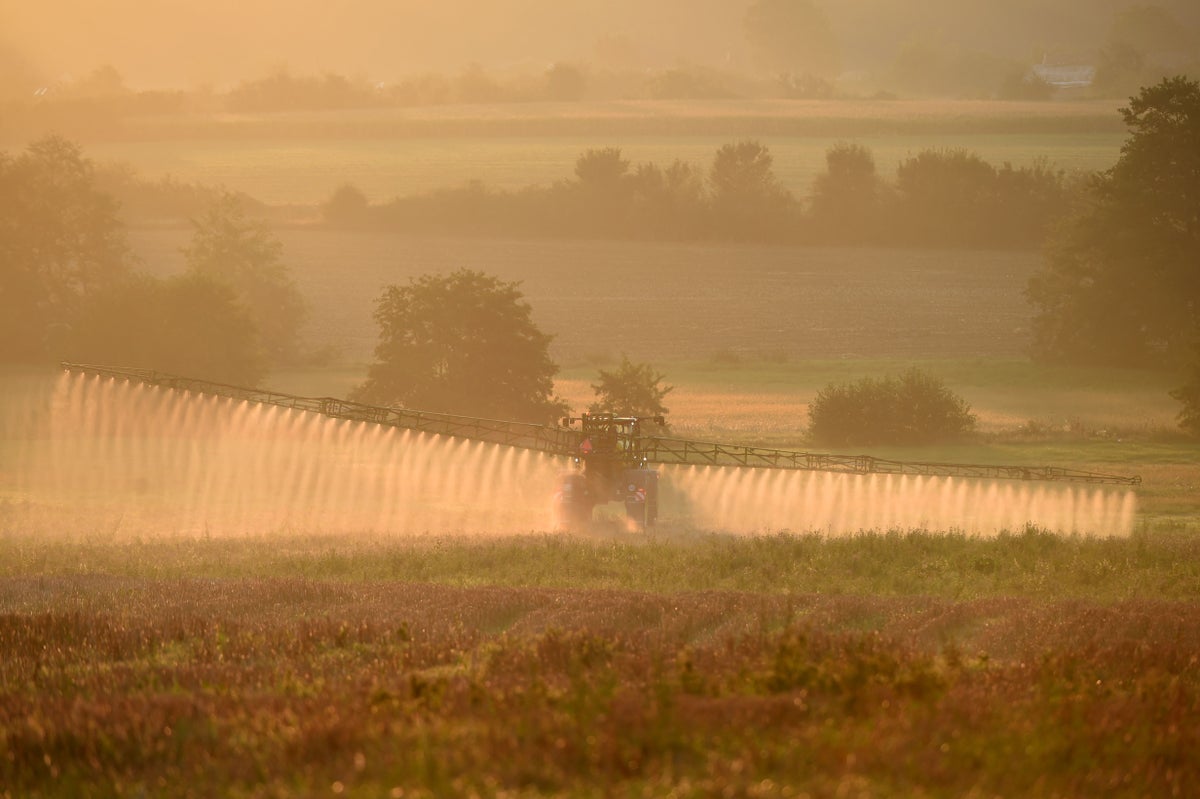
Glyphosate is one of the most commonly used methods of handling weeds on farms and elsewhere. It is a key part of modern agriculture, to the point that imagining a food system that operates without it is incredibly challenging. Yet, glyphosate is also the subject of much debate.