#miguel-terceros
#miguel-terceros
[ follow ]
#contemporary-art #photography #illustration #mexico-city #contemporary-painting #performance-art #identity



Music
fromwww.theguardian.com
3 weeks agoUruguay's candombe brings streets to life as the once-banned musical tradition roars back
Candombe, Uruguay's Afro-descendant music once banned and marginalized, is now experiencing peak popularity after spreading from Black neighborhoods throughout the country.
Renovation
fromYanko Design - Modern Industrial Design News
3 weeks agoA House In Ecuador That Climbs the Land Instead of Changing It - Yanko Design
La Miradora in Ecuador's highlands uses natural terrain to shape its design, with wooden ribs as the primary structural system that adapts to the slope while providing shelter and framing views.

fromwww.theguardian.com
1 month agoWomen behind the lens: The women watched the fuel tanker advance with uncertainty and fear'
The Siekopai Nation, which has historically occupied territories along the northern border between Ecuador and Peru, was separated and displaced during the 1941 border war between the two countries, a conflict with consequences that extended into the 1990s. According to Justino Piaguaje, leader of the Siekopai in Ecuador, the nation's original population was close to 20,000 but diseases brought by colonisers, Jesuit missions, conditions of slavery during the rubber boom, and the impacts of the oil industry led to a drastic decline.
Environment


Design
fromdesignboom | architecture & design magazine
1 month agoluis barragan's la cuadra san cristobal reopens to the public with two exhibitions in mexico
La Cuadra, Luis Barragán's 1968 equestrian complex, reopens as a public cultural campus under Fernando Romero's direction, launching with exhibitions dedicated to Barragán and Felix Gonzalez-Torres.
fromArtforum
1 month agoFoto Estudio Luisita
For the Escarrias-petite sisters of African descent born ten months apart in Cali, Colombia-commercial photography was in their family DNA. Their parents established a studio in their hometown that was overseen by their mother after their father's early demise. The siblings learned the family trade, and when they fled the country's civil war in 1958, they quickly reestablished the studio in Buenos Aires.
Photography
Renovation
fromwww.archdaily.com
1 month agoMuimenta Social Center / Eduardo Dipre Mazza + Daniel Gomez Magide + Miguel Angel Diaz Gonzalez
A multi-purpose social center in rural Galicia revitalizes an abandoned village through infrastructure rehabilitation, economic activity generation, and improved quality of life for residents.
fromArtnet News
2 weeks agoVeronica Fernandez Builds an Uneasy Monument to Childhood Imagination
There's this push and pull between feeling unease and discomfort, the nature of the spaces, and why they feel uncomfortable. But there is also tenderness and warmth, people adapting to these spaces and finding ways to make them comfortable.
Arts
fromwww.theguardian.com
2 months agoPrado chief says Madrid art museum doesn't need single visitor more'
In 2025 the Prado, which is home to such masterpieces as Velazquez's Las Meninas and Hieronymus Bosch's The Garden of Earthly Delights, was visited by 3,513,402 people, an increase of more than 56,000 from the previous year. Visitor numbers have risen by more than 816,000 over the past decade. While some museum bosses would be toasting such a success, the Prado's director, Miguel Falomir, is treating it with caution. The Prado doesn't need a single visitor more, he told a press conference on Wednesday.
Miscellaneous
fromBoard Game Quest
1 month agoSand Art Review
Sand Art is a game by Kory Jordan and published by 25th Century Games for two to four players ages 10 and up. It takes about an hour to play, and has you collecting resources and then coloring in a bottle, making art in a bottle out of sand, in case the name didn't give away the plot. Gameplay Overview: Sand Art has you gathering and mixing sand, which is used to fill your bottle.
Board games
fromDesign Milk
1 month agoInside Lee Broom's Latin American Exhibition at Diez Company
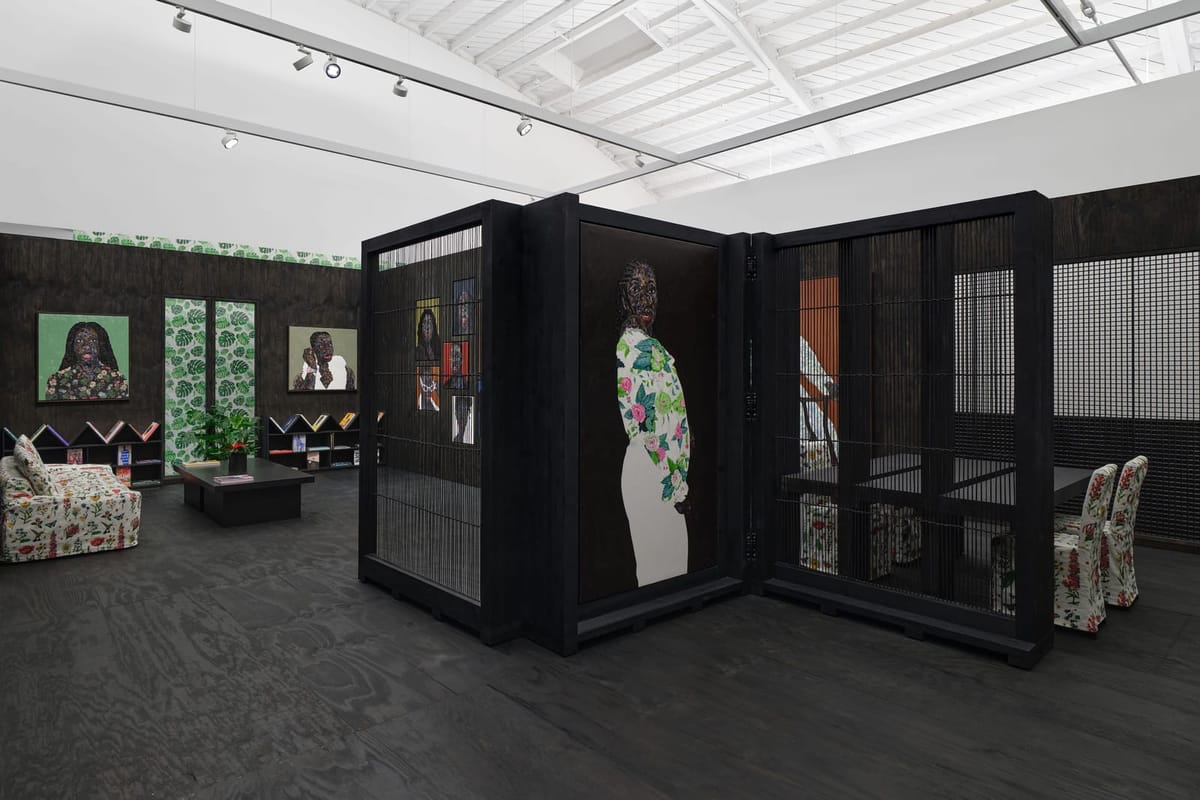
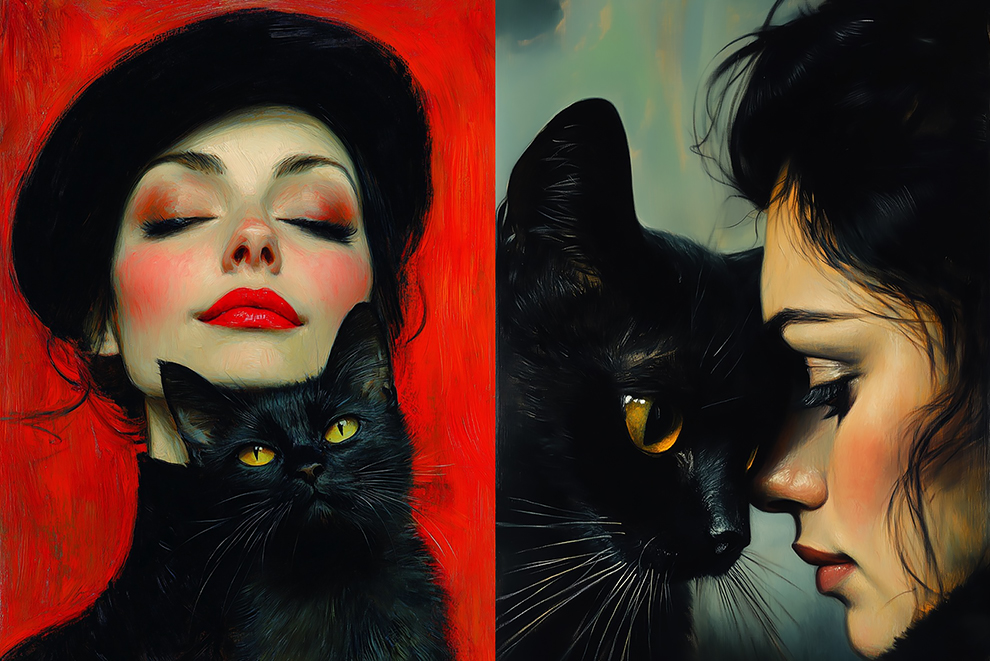
Now, he celebrates his first major presentation in Latin America, in congruence with Mexico City Art Week 2026 and ZSONAMACO, showcasing on an ideal stage inside one of the city's most architecturally layered interiors. Titled The Resident, the site-responsive installation, created during a residency at the Diez Company house, transforms the historic showroom into an immersive tableau where more than 50 works negotiate the boundaries between collectible design, contemporary art, and spatial theater.
Design
Arts
fromThe Art Newspaper - International art news and events
1 month agoThe many faces and identities Frida Kahlo are explored in exhibition catalogue
Frida Kahlo evolved from obscurity to global icon through posthumous appropriation by diverse movements that identified with her multifaceted persona and art across social, political, and commercial sectors.

fromHyperallergic
1 month agoThe Uncertain Future of Colombia's Museum of Memory
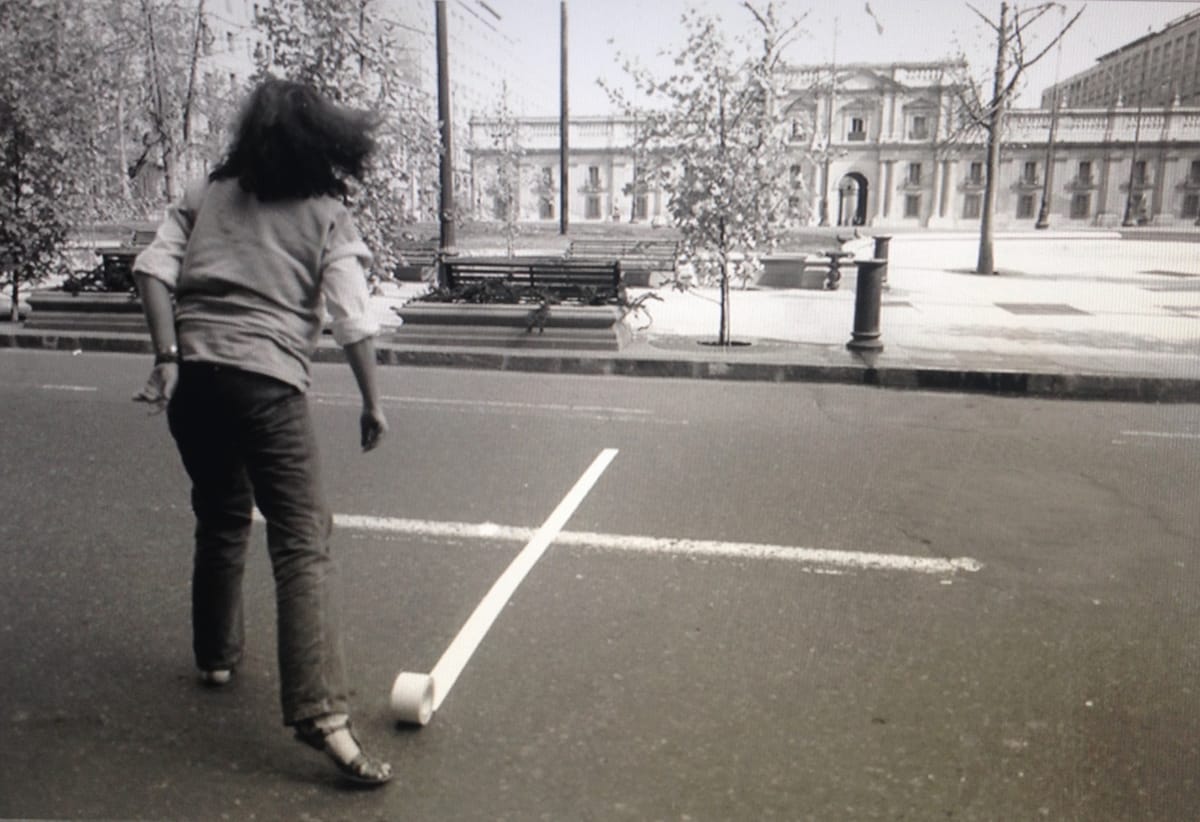
In 2011, the Colombian government ordered the creation of a national museum "to achieve the strengthening of the collective memory" around the decades-long armed conflict. That same year, it passed the Victims and Land Restitution Law aimed at providing victims with reparations and justice. More than just a curated collection of objects or artworks, the museum, scheduled to be inaugurated in 2018, was conceived as an archive of the violent civil war.
Arts
Arts
fromMiami Herald
1 month agoCarlos Alfonzo and Belkis Ayon Unite in 'Odyssey' at Freedom Tower
Two significant 20th-century Cuban artists, Carlos Alfonzo and Belkis Ayón, are exhibited together for the first time at Freedom Tower, revealing shared interests in mythology and artistic influences despite their stylistic differences.
fromArtnet News
1 month agoHow Wifredo Lam Made Surrealism More Surreal Than the Surrealists | Artnet News
An exhibition of Wifredo Lam is about as safe a bet as the Museum of Modern Art can place and still plausibly say that it's a bet on expanding the canon. The Cuban artist is one of the most famous painters of the 20th century, featured in almost every single key show about Surrealism. MoMA acquired his famous painting The Jungle in 1946, a few years after he made it.
Arts
Arts
fromThe Art Newspaper - International art news and events
1 month agoMexico City's art scene gravitates to Santa Maria la Ribera neighbourhood
Santa María la Ribera has become a growing hub for contemporary Mexican artists, offering affordable studios, large Porfirian-era spaces, and new exhibition venues.
fromThe Art Newspaper - International art news and events
1 month agoAt Mexico City's Material and Salon Acme fairs, artists find hope in nature
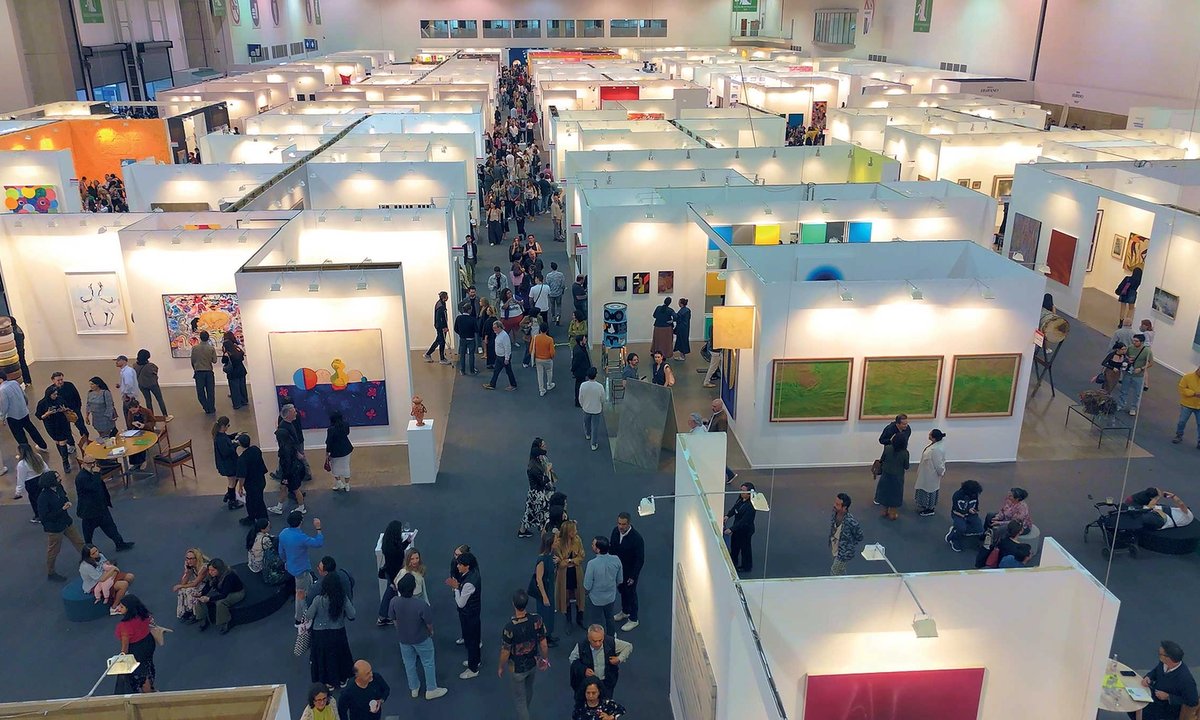
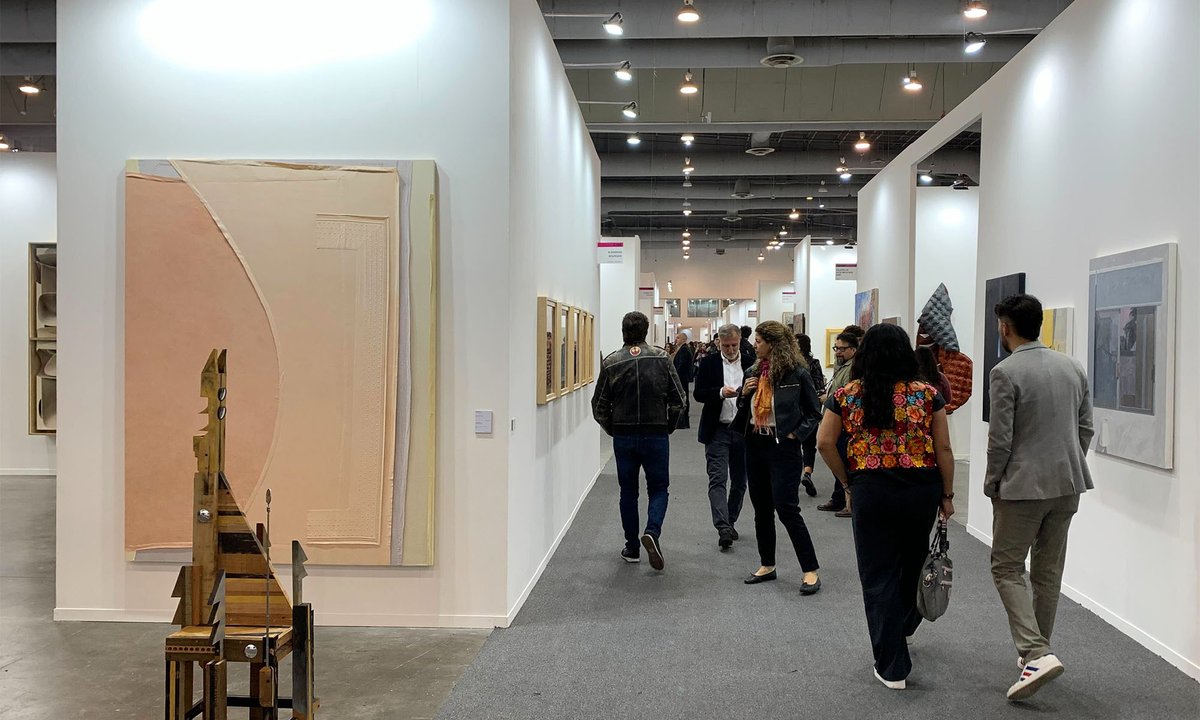
"The new venue has allowed us to develop the experience of the fair-it lends itself to being more of a destination," Brett W. Schultz, the co-founder and director of Material, tells The Art Newspaper. The fair features over 70 exhibitors this year, with an especially strong contingent of Mexico City galleries that, like Material, have been around for a little over a decade.
Arts
fromArtforum
2 months agoMiami's Crisis of Memory: Eddie Arroyo's December 3, 2024, 7:10 am Design District, 2025
This is the site of the Florida state historical marker commemorating Arthur Lee McDuffie, a Black insurance broker and former US Marine whose 1979 beating death at the hands of Miami police ignited one of the most consequential uprisings in the city's history. A plaque unveiled in February 2024 at the site of his attack finally acknowledged the violence that fractured McDuffie's skull and the community-wide outrage that followed.
Arts
fromJuxtapoz
1 month agoJuxtapoz Magazine - Oscar Murillo: "el pozo de agua" @ kurimanzutto, Mexico City
OSCAR MURILLO (b. 1986, La Paila, Colombia) has developed a multifaceted and challenging practice that spans painting, collaborative projects, video, sound and installation. Through each body of work, the artist probes ideas of collectivity and shared culture, demonstrating a commitment to the power of material presence alongside complex meditations on contemporary society. A focus on the social dimension that sits on the border between performance and events is also central to Murillo's practice.
Arts
Arts
fromThe Art Newspaper - International art news and events
1 month agoCelebrations at Mexico's Museo Experimental El Eco
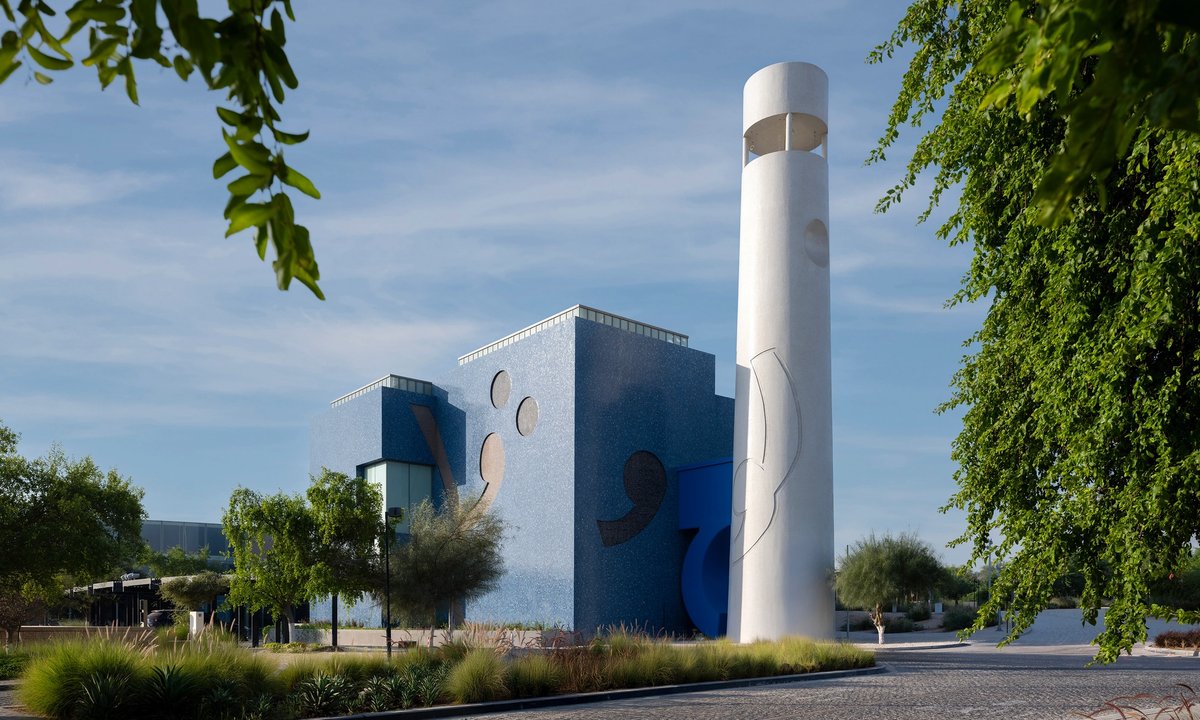
Museo Experimental El Eco, designed by Mathias Goeritz, reopened twenty years ago and is now gaining national heritage recognition while showcasing new commissions and performances.
fromColossal
2 months agoAbsurd Scenarios Stretch Across Paco Pomet's Uncanny Canvases
From figures with multiple legs and noodles for arms to frolicking trees, Paco Pomet summons the absurd. Known for his uncanny oil paintings rendered mostly in monochrome and enlivened by colorful details of overly stretchy limbs or celestial objects, a sense of nostalgia greets surreal scenarios. The artist often derives his imagery from vintage black-and-white photographs, adding an absurd dimension to history.
Arts
fromCurbed
2 months agoThe Cuban House of Spirits
The artists José Parlá and Claudia Hilda, his wife, live in a former fire station in Fort Greene surrounded by memories of Cuba, which Parlá's ­family fled in 1970 and where ­Hilda lived until recently. "There's a lot of magical realism here, a big mix of Cuban traditions and religion," says Parlá, pointing to an icon of la Caridad del Cobre, the island's patron saint, in the kitchen. "We cannot move her!"
Arts
fromColossal
2 months agoRegina Silveira Pieces Together an Evolving Narrative of Latin America
Regina Silveira has spent the better part of three decades considering the relationship between media and meaning, particularly as it relates to Latin America. First presented in 1997, "To Be Continued..." features 100 black-and-white reproductions of photos, newspaper clippings, propaganda, advertisements, and more. Silveira nests each image into an oversized puzzle piece, which cuts off faces and scenes to leave fragments of pop culture icons, flora and fauna, and even the occasional mugshot spliced next to one another.
Arts
fromThe Art Newspaper - International art news and events
1 month agoExhibitions to see during Mexico City Art Week
Taking over the colourful Casa Gilardi, Luis Barragán's last commissioned residence, built for the advertising executive Francisco Gilardi in the mid-1970s, the German artist Gregor Hildebrandt transforms the house's stylish rooms with an ever-expanding exhibition of his enigmatic works across various media. Known for transforming outmoded analogue recording media-including audio cassettes, VHS tapes and vinyl records-into paintings, sculptures and large-scale installations, the Berlin-based artist's conceptual works explore themes of memory, nostalgia and the physical representation of intangible sound and sight.
Arts
Arts
fromThe Art Newspaper - International art news and events
1 month agoMuseo de Arte Moderno de Bogota dismisses longtime artistic director
Museo de Arte Moderno de Bogotá has terminated artistic director Eugenio Viola amid a board 'comprehensive review' after Viola raised concerns about deteriorating working conditions.
fromCurbed
2 months agoThe Cuban House of Spirits
The artists José Parlá and Claudia Hilda, his wife, live in a former fire station in Fort Greene surrounded by memories of Cuba, which Parlá's family fled in 1970 and where Hilda lived until recently. "There's a lot of magical realism here, a big mix of Cuban traditions and religion," says Parlá, pointing to an icon of la Caridad del Cobre, the island's patron saint, in the kitchen. "We cannot move her!"
Arts
fromwww.theguardian.com
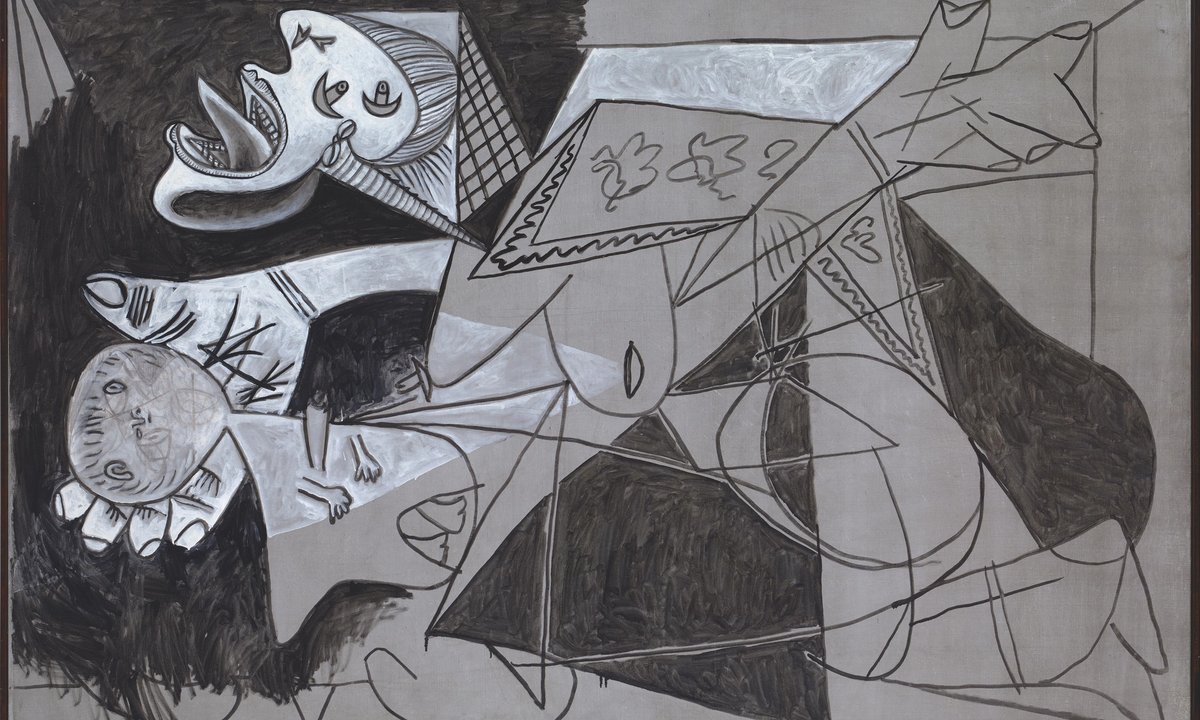
2 months agoMonkey Christ' is as good as a Picasso | Brief letters
I was intrigued by the similarity between two paintings recently featured in the Guardian: the Ecce Homo as restored by Cecilia Gimenez (Cecilia Gimenez, famed for Monkey Christ' mural mishap, dies at 94, 30 December) and Tete de Femme by Pablo Picasso (1m Picasso portrait up for grabs for 100 in charity raffle, 31 December). Perhaps Cecilia's work is in need of a reappraisal. Steve Shearsmith Beverley, East Yorkshire
Arts
Arts
fromJuxtapoz
2 months agoJuxtapoz Magazine - Preview: Imon Boy's "Un poco distraido" @ Yusto / Giner Gallery, Madrid
Imon Boy's solo exhibition transforms diary-like, graffiti-rooted imagery into playful visual narratives blending street energy with gaming, internet culture, cinema, travel, humor and identity.
fromThe New Yorker
2 months agoPeter Doig's Histories of Ink
One recent weekday morning, the British painter Peter Doig arrived at a bonded warehouse-a cavernous brick building-about a mile south of the River Thames, but not subject to the import taxes of the United Kingdom. He buzzed through security and entered a windowless white room, where he settled in for a long day. Awaiting him were a series of etching prints that had been brought over from the United States to be signed by Doig before being put up for sale.
Arts
fromAnOther
1 month agoArtist Sterling Ruby: "I'm Trying to Make Something Spiritual"
I first saw Stalker in the mid-1980s. I grew up in a very rural community, but I had a group of friends who all wanted something that we couldn't really get where we lived. With film, that was a possibility. I'm in my fifties now. I keep trying to figure out what I'm doing as an artist and how to keep going.
Arts
[ Load more ]