#material-transformation
#material-transformation
[ follow ]
fromBon Appetit
17 hours agoThere's a Lot of "Compostable" Packaging Out There; What Does That Actually Mean?
Compostable packaging is a type of biodegradable packaging designed to break down alongside natural waste. It's usually made of plant-based materials, like corn syrup, cellulose, or paper, that decompose without leaving toxins behind.
Environment



DevOps
fromLondon Business News | Londonlovesbusiness.com
2 days agoRefurbished IT hardware vs new: How enterprises can cut costs without sacrificing performance - London Business News | Londonlovesbusiness.com
Refurbished IT hardware offers significant cost savings and reliability, making it a strategic choice for modern data centers.
fromConde Nast Traveler
2 days agoWhy Planes Flying Like Geese Could Cut Back on Aviation Emissions
The unmistakable V-formation geese adopt in flight is more than a cool aerial trick. The entire flock benefits from upward air flowing off the lead bird's wings, whose fellow fliers then get to save energy, especially on long journeys.
Alternative transportation
Europe news
fromLondon Business News | Londonlovesbusiness.com
4 days agoCBAM, energy costs and efficiency: Why heat recovery is gaining importance in energy-intensive industry - London Business News | Londonlovesbusiness.com
European industry must focus on energy costs, emissions, and heat recovery to enhance efficiency and competitiveness.
fromArchDaily
1 month agoDesigning for Obsolescence in an Age of Perpetual Upgrades
In the nineteenth century, entire railway networks became obsolete almost overnight, not due to physical deterioration, but because of changes in the technical standards that supported them. The expansion of railroads across Europe and North America adopted different track gauges, and as a dominant standard gradually emerged, these infrastructures became incompatible with one another.
Renovation
fromEarth911
1 month agoIs Shredded Paper Recyclable?
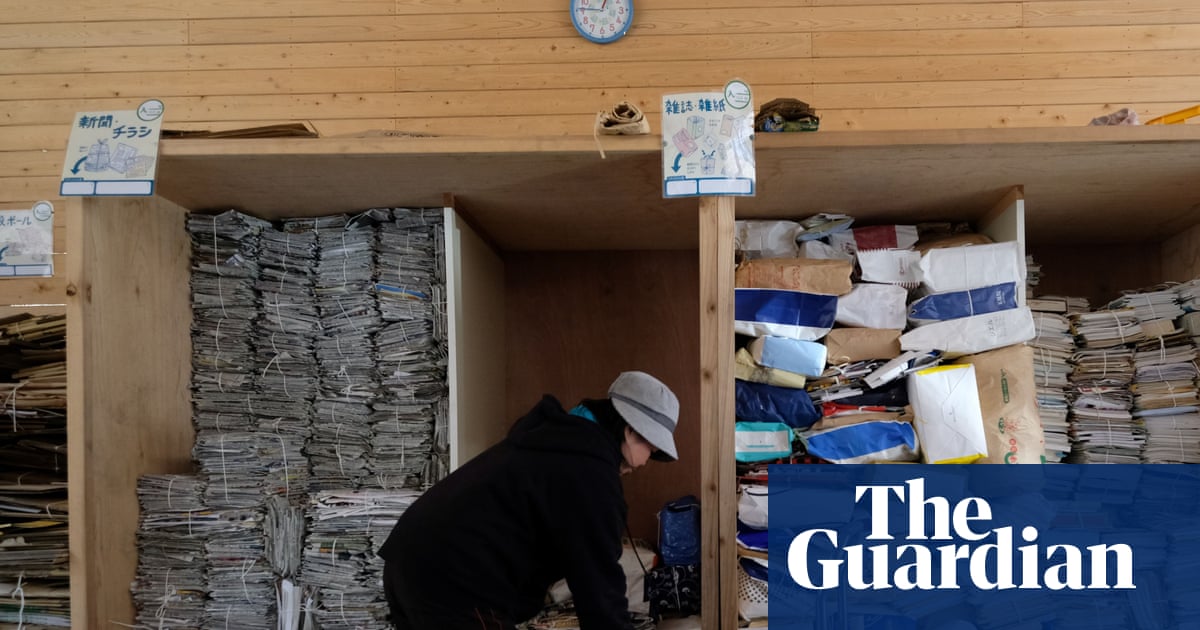
Shredded paper is especially difficult to recycle, so many programs will not accept it. Shredding accelerates fiber shortening and lowers the paper grade from high-grade to mixed-grade. Mixed-grade paper is still recyclable, but it ends up baled and processed into products like paper towels and packing paper.
Portland
Miscellaneous
fromwww.theguardian.com
1 month agoA delightful day at the dump: The trick is not to leave with more stuff than I arrived with!'
A recycling centre's ReUse shop in London salvages discarded items including unusual specimens like embalmed animals, vintage furniture, and antiques to resell rather than send to landfill.


fromFast Company
2 months agoThese designers made a sustainable new building material from corn
This corn-based construction material was made by Manufactura, a Mexican sustainable materials company, and it imagines a second life for waste from the most widely produced grain in the world. The project started as an invitation by chef Jorge Armando, the founder of catering brand Taco Kween Berlin, to find ways he could reintegrate waste generated by his taqueria into architecture. A team led by designer Dinorah Schulte created corncretl during a residency last year in Massa Lombarda, Italy.
Science
Fashion & style
fromdesignboom | architecture & design magazine
2 months agofour typologies explores decentralized upcycling fashion factories in digital space
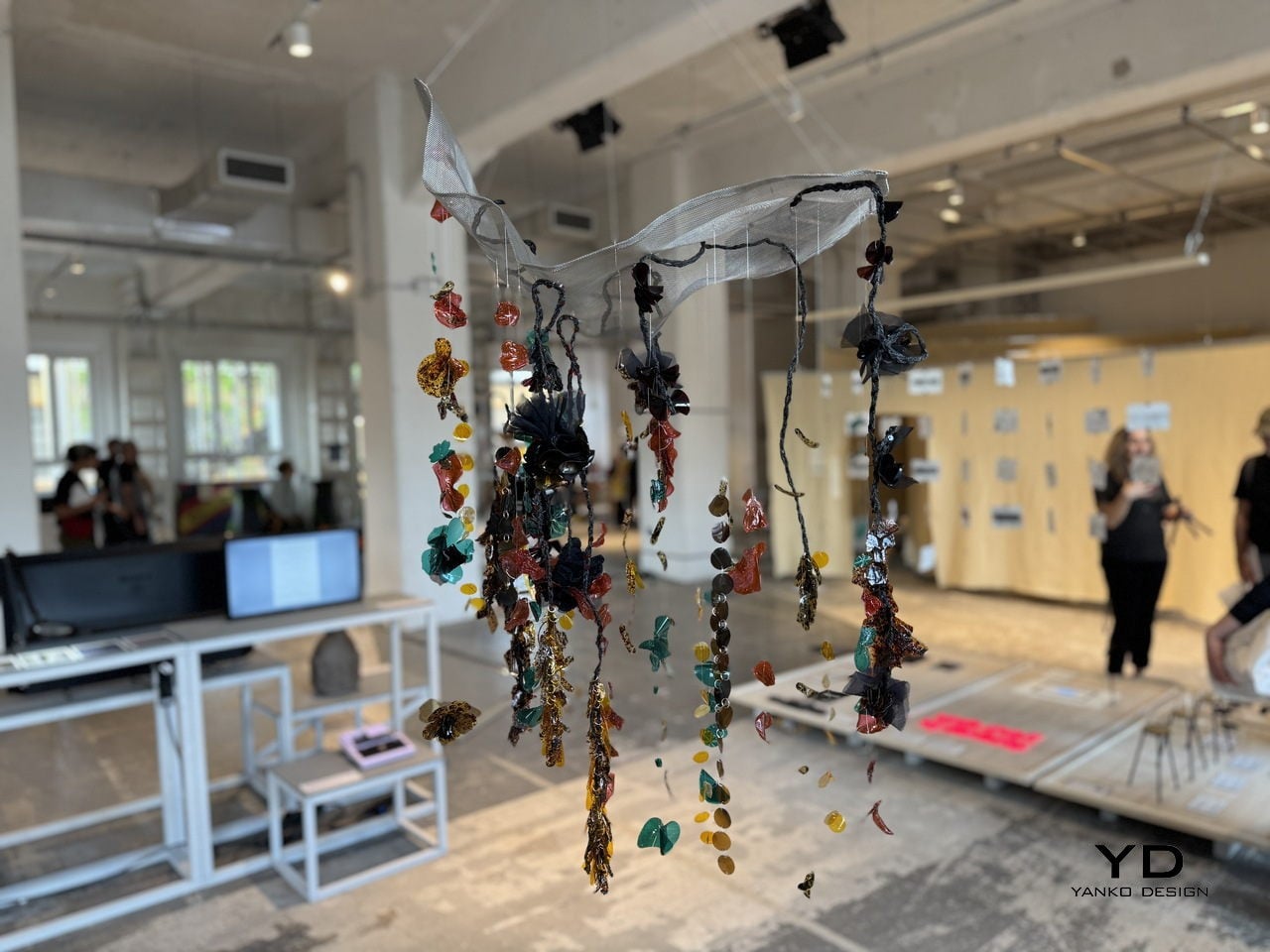
Digital spatial systems enable decentralized Garden Factory typologies and nonlinear upcycling workflows that support iterative, small-batch fashion production across multiple scales.
fromdesignboom | architecture & design magazine
2 months agorecontextualizing human hair waste as potential raw material for design
This research-based design project by Laura Oliveira investigates discarded as a potential raw material for sustainable design applications. Human hair is produced continuously and in large quantities through everyday grooming practices, yet it is almost always treated as waste once separated from the body and typically disposed of in landfills. Despite its material properties, strength, flexibility, and durability as a keratin-based protein fiber, its remains uncommon within design and research contexts.
Design
fromEarth911
2 months agoGuest Idea: 7 Solutions to Give Your Old Sunglasses a Second Life
Just like that coffee cup, eyewear is a complex fusion of materials. Metal hinges are screwed into polymer frames, which hold chemically-coated lenses. This mix of metals, plastics, and coatings means standard sorting machines cannot process them. As a result, they are rejected as contamination and sent directly to landfills, where they contribute to non-biodegradable waste. Unlike a disposable paper cup, however, a pair of sunglasses is built for durability. Its high-quality components make it a perfect candidate for repair, reuse, or reinvention.
Environment
fromwww.theguardian.com
2 months agoRecycled plastic packaging claims are misleading, say experts
Europe's supermarket shelves are packed with brands billing their plastic packaging as sustainable, but often only a fraction of the materials are truly recovered from waste, with the rest made from petroleum. Brands using plastic packaging from Kraft's Heinz Beanz to Mondelez's Philadelphia use materials made by the plastic manufacturing arm of the oil company Saudi Aramco. The Saudi state-owned holding opposes production cuts under the UN plastic treaty and is the world's largest corporate greenhouse-gas emitter (over 70m tonnes up to 2023).
Environment
fromInsideHook
2 months agoCould Recycled Plastic Lead to More Housing?
When you think about building a house, what materials come to mind? Brick, wood and metal all come to mind; there are also some very distinctive glass houses out there. (Even if their occupants should refrain from throwing stones - though honestly, that's a good tip for indoor living in general.) A group of MIT researchers have come up with a very different way of making buildings, and it's one that also addresses an ongoing waste issue."We've estimated that the world needs about 1 billion new homes by 2050. If we try to make that many homes using wood, we would need to clear-cut the equivalent of the Amazon rainforest three times over," explained AJ Perez, who conducts his research in the MIT Office of Innovation. The title of a paper written by Perez and his colleagues - "Design, Manufacture and Testing of Structural Trusses Using Additively Manufactured Polymer Composites" - gives a sense of the solution that they have in mind.
Environment
fromdesignboom | architecture & design magazine
2 months agocompostable plastic bags made of seaweed are designed to break down and not be recycled
They write, 'through clever processing changes, this material is now stronger, more beautiful, and available in higher volumes at a lower price point.' The design remains the same with the frosted look, and this time, it can carry loads better but still lasts only as long as it's needed. After use, the bags can be placed in home compost or industrial compost systems, where they break down into healthy soil.
Environment
fromEarth911
2 months agoEarth911 Inspiration: Waste Can End With You
We can make changes to reduce our waste by precycling when we shop, reducing what we purchase, reusing items to get the most use out of them, and recycling when possible. But when we have items to throw away, please dispose of trash responsibly and don't litter. Let's reduce our waste and clean up our planet. It's our only home.
Environment
[ Load more ]