#long-term-health-forecasting
#long-term-health-forecasting
[ follow ]


fromwww.theguardian.com
2 days agoNon-survivable': heatwaves are already breaching human limits, with worse to come, study finds
When scientists applied a new model of human survivability that takes into account the body's ability to function and stay cool depending on age, they found all six events had seen non-survivable periods for older people who could not find shade.
Environment
#ai

Artificial intelligence
fromFuturism
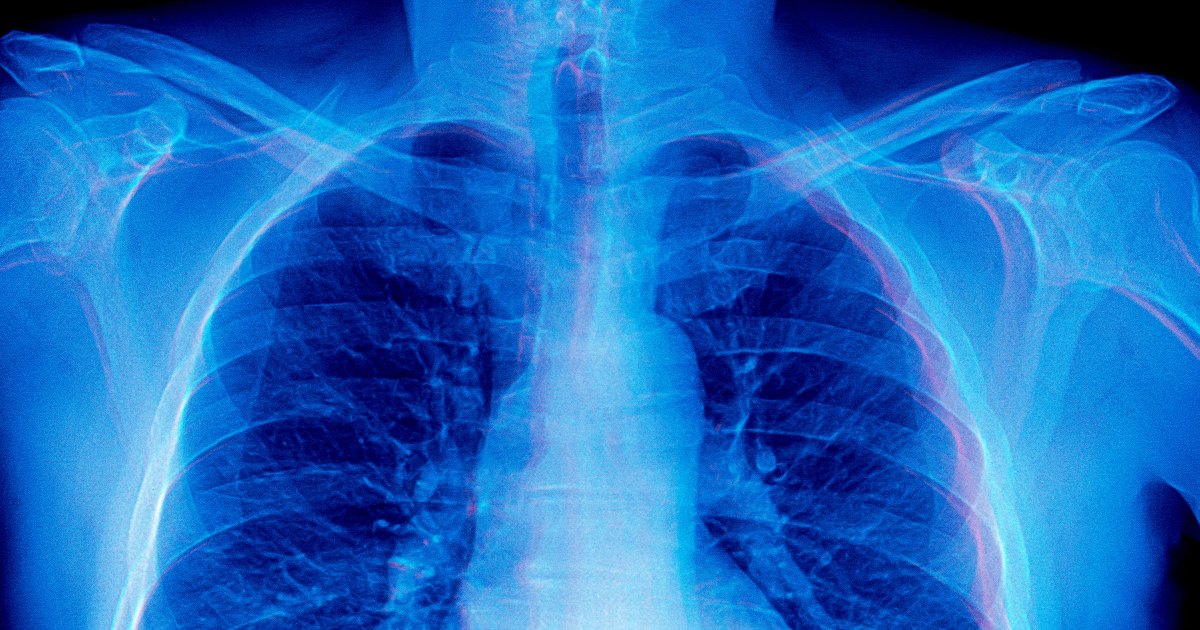
3 days agoFrontier AI Models Are Doing Something Absolutely Bizarre When Asked to Diagnose Medical X-Rays
Hallucinations and 'mirage reasoning' in AI models pose significant risks, especially in healthcare applications, leading to potentially dangerous misinformation.


Marketing tech
fromAdExchanger
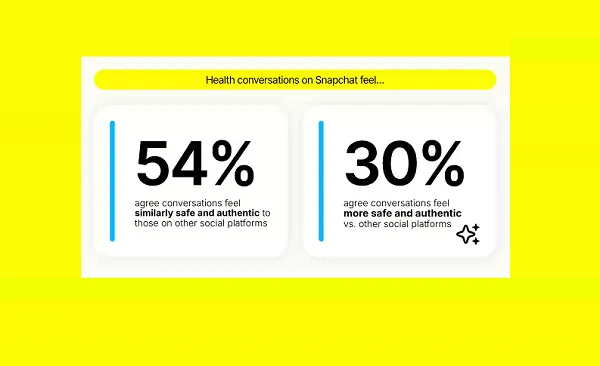
3 weeks agoMyFitnessPal Wants To Start The Health And Wellness Subsector Of Retail Media | AdExchanger
MyFitnessPal launches a data-driven advertising business leveraging user meal planning and nutrition data, expanding from single mobile display ads to multiple formats including video, native ads, and branded integrations through direct sales channels.
Artificial intelligence
fromwww.scientificamerican.com
3 weeks agoAs AI keeps improving, mathematicians struggle to foretell their own future
First Proof, a benchmarking initiative, is launching its second round to evaluate large language models' ability to contribute to research-level mathematics, now requiring transparency and access from participating AI companies.

Healthcare
fromFortune
4 weeks agoMicrosoft launches Copilot Health, a dedicated space for personal health data and AI-driven insights | Fortune
Microsoft launched Copilot Health, an AI assistant feature that integrates and analyzes health data from wearables, electronic health records, and lab results to provide personalized health insights and provider recommendations.
Miscellaneous
fromFast Company
1 month agoRural health's $50 billion tech transformation: Too fast to last
CMS's $50 billion Rural Health Transformation Program faces implementation challenges as states rush to deploy solutions without adequate understanding of rural community needs, risking wasted funds and unintended consequences.
Healthcare
fromEngadget
4 weeks agoMicrosoft's Copilot Health can use AI to turn your fitness data and medical records 'into a coherent story'
Microsoft's Copilot Health aggregates medical records, fitness data, and health history to help patients prepare informed questions for their doctors, while explicitly not replacing professional medical advice.
Health
fromwww.theguardian.com
3 weeks agoReduced physical activity due to global heating will lead to rise in health issues, study says
Rising temperatures reduce physical activity globally, with each month above 27.8°C increasing inactivity by 1.5 percentage points, projecting half a million additional premature deaths annually by 2050.
Health
fromNature
3 weeks agoInsulin resistance prediction from wearables and routine blood biomarkers - Nature
Diabetes affects 537 million adults globally with type 2 diabetes comprising 90% of cases, driven by lifestyle factors and characterized by insulin resistance or deficiency leading to long-term organ damage.
Public health
fromBusiness Matters
1 month agoChronic Disease Prevention Remained Abstract for Too Long - Barbara Mkhitarian Made It Measurable
Digital prevention programs combining nutrition coaching with behavioral psychology achieve average 7 kg weight loss and sustained diabetes risk reduction through evidence-based lifestyle intervention.
fromMedium
1 month agoReal-Time Data Validation in Healthcare Streaming: Building Custom Schema Registry Patterns with...
In a single streaming pipeline, you might be processing HL7 FHIR messages with frequent specification updates, claims data following various payer-specific formats, provider directory information with inconsistent taxonomies, and patient demographics with privacy redaction requirements. Our member eligibility stream processes roughly 50,000 records per minute during peak enrollment periods.
Healthcare
fromHarvard Gazette
1 month agoAmerican heart health worsening - Harvard Gazette
Many other higher-income countries are grappling with rising obesity and diabetes, but the U.S. stands out for how consistently those risks translate into worse cardiovascular outcomes, and how wide the gaps are by income, race, ethnicity, and geography.
Public health
fromExchangewire
1 month agoExperian: "New Year, New Me" Is Now a Year-Round Wellness Mindset
In the first two weeks of January 2026, overall spend on health and wellbeing rose by 3.9% year-on-year, despite customer numbers falling by 2.8%. Spend per customer increased by 6.8%, showing that those who continue to prioritise health are committing more of their budget to it. The data suggests that January is no longer viewed as a reset period, reflecting how health and wellbeing is now prioritised within household budgets throughout the year rather than treated as discretionary spend.
Marketing


fromPractical Ecommerce
1 month agoAI Turns Weather Data into Sales
Weather impacts sales. Every retailer knows it. But for most, the likelihood that it might rain, snow, or sleet on the third of March somewhere in the Midwest is rarely used. Vendors such as Weather Trends have offered accurate, long-range forecasts for more than 20 years. But the opportunity is not predicting the weather; it's knowing what to do with the data. AI might change that.
E-Commerce
Public health
fromwww.scientificamerican.com
1 month agoHeart disease in young women projected to rise sharply by 2050
Cardiovascular disease prevalence in U.S. women is projected to increase significantly by 2050, with nearly one-third of women aged 22-44 expected to develop some form of cardiovascular disease, while prevention efforts remain inadequate despite treatment advances.
Information security
fromThe Hacker News
2 months agoExposure Assessment Platforms Signal a Shift in Focus
Exposure Assessment Platforms replace traditional Vulnerability Management by providing continuous, risk‑prioritized, cross‑layer visibility to reduce alert fatigue and address “dead‑end” exposures.
Healthcare
from24/7 Wall St.
1 month agoWhy Many Retirees Are Underestimating Healthcare Usage, Not Just Costs
Retirees underestimate healthcare costs by focusing on total spending figures rather than accelerating usage patterns driven by chronic conditions and age-related increases in doctor visits and hospitalizations.
fromwww.bbc.com
2 months agoTrial launched to 'help spot health risks early'
Public health consultant Dr Ross Keat said supporting people earlier to make small preventative changes would make "a big difference later on". Some 3,500 people in the north of the island within that age bracket are eligible for the checks. The checks will be carried out by two pre-existing nurses that support GP staff and would not replace GP appointments, Keat explained, adding that the cost would be minimal and absorbed by Ramsey Group Practice.
Public health
fromFast Company
2 months agoConnected data will rescue healthcare
AI plays an important role-but not by fixing fragmented data on its own. The work of organizing, connecting, and interpreting healthcare information still belongs to people and the systems they build. Where AI helps is after that foundation is in place: by bringing the right information forward at the right time, reducing the effort it takes to find what matters, and supporting better decisions in the moment of care.
Medicine
fromNews Center
1 month agoAdvancing Preventive Care and Cardiovascular Risk Prediction Through Online Tools - News Center
As the Magerstadt Professor of Cardiovascular Epidemiology, Khan studies the epidemiology of risk for heart failure. Using population-based cohorts and large electronic health record data analyses, she performs mechanistic studies that may enhance risk prediction and identify novel therapeutic agents for the prevention and treatment of cardiovascular disease. Khan and her team have developed a tool to predict risk and prevent cardiovascular disease such as heart failure, stroke, arrhythmia, coronary artery disease and many other conditions.
Public health
fromwww.scientificamerican.com
2 months agoWant to live longer? The tiniest of lifestyle changes could add a year to your life
Want to live longer but don't want to change what you're already doing to try and live a healthy life? We have good news. You likely don't need to spend an extra three hours in the gym every week. You also probably don't need to get eight hours of sleep every night. And you likely don't have to revamp your diet, either.
Health
Public health
fromMedium
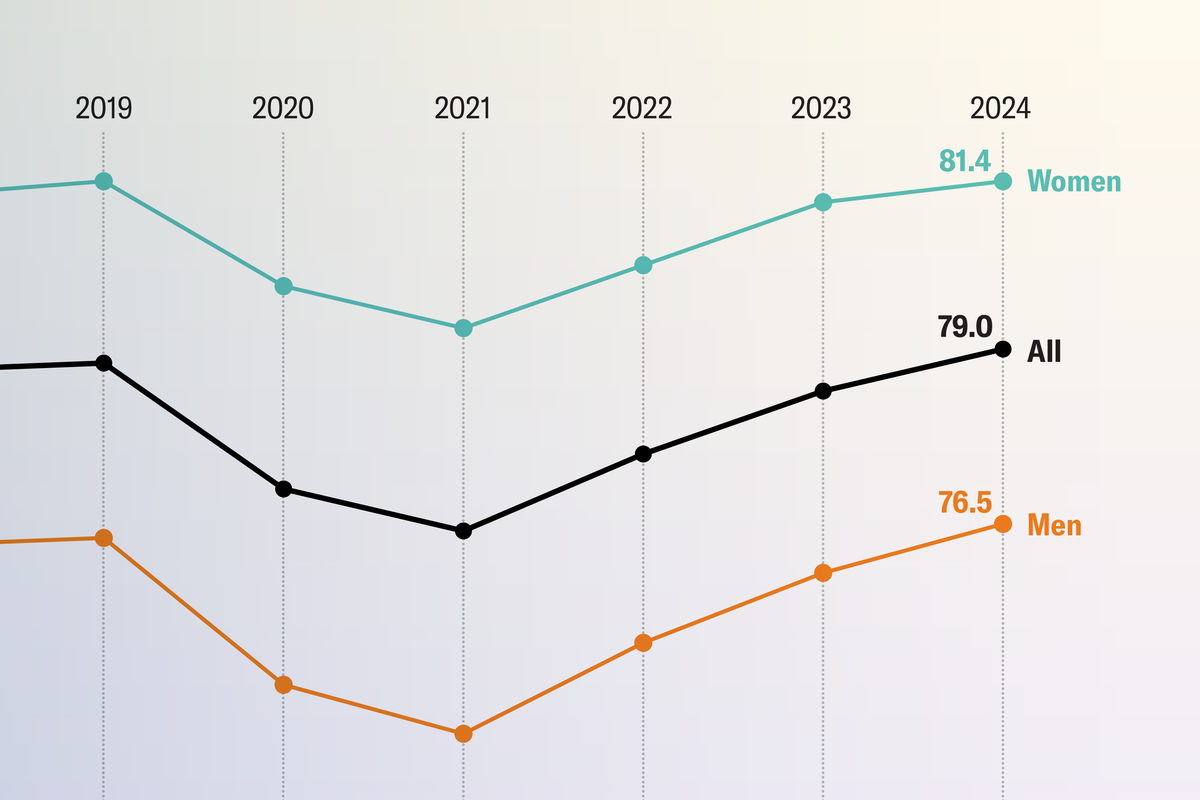
2 months agoThe preventive healthcare product cycle: how ancient practices become "innovations" every 20 years
Ancient preventive practices resurface as billion-dollar health trends when crisis, enabling technology, legitimation, and storytelling translate them into measurable, automated, culturally acceptable products.

Healthcare
fromFortune
2 months agoWhen AI meets healthcare, how should payers react? | Fortune
AI can fully automate most transaction-oriented payer jobs, significantly boost knowledge and relationship work productivity, and replace many interpreter and doer roles, transforming payer operations and member services.
fromwww.scientificamerican.com
1 month agoInfectious diseases may be more dangerous to people who are overweight. Experts explain why
Being overweight doesn't just make people more susceptible to chronic illnesses such as heart disease and diabetesit might also increase their risk of severe influenza and other infections, a new study confirms. The study, published today in the Lancet, suggests that people with obesity may be more susceptible to death and hospitalization from a variety of infections caused by viruses, fungi, parasites and bacteria.
Public health
fromFast Company
1 month agoHow gamification is transforming public health
In many ways, public health can't afford to ignore gamification. Addiction is already gamified-and it's winning. As one example, "smart" vapes now feature screens, rewards, animations, and puff tracking. These high-tech devices have become top-selling products, with 32% of youth and 33% of young adults reporting using vapes with screens, games, or Bluetooth connectivity in the past month. These products are applying the same engagement strategies used in consumer tech to drive repeat use and ultimately sustain addictive behavior.
Public health
Public health
fromLondon Business News | Londonlovesbusiness.com
2 months agoAssessing the Government's 10-year health plan: Enhancing support for prevention and recovery in England - London Business News | Londonlovesbusiness.com
The UK's ten-year health plan must accelerate prevention, digital transformation, and accessible addiction treatment to curb rising drug-related harms and reduce NHS strain.
[ Load more ]