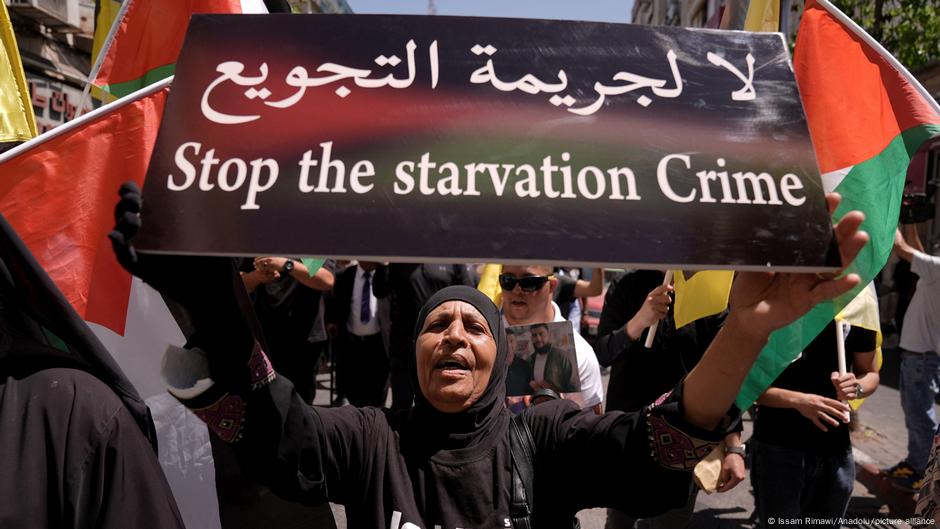
With the sounding of a siren at 8pm on Monday, Israel begins the commemoration of Memorial Day, remembering soldiers killed since the establishment of the first Jewish settlements in Palestine in 1860, through Israel's many wars with its neighbours and attacks on Palestinians, up to those who died enacting its genocide in Gaza.
This says a lot about the ways in which international law is being deployed in this moment as a way of restraining and regulating Iranian behavior, while effectively allowing the United States and Israel a free hand to do what they want.
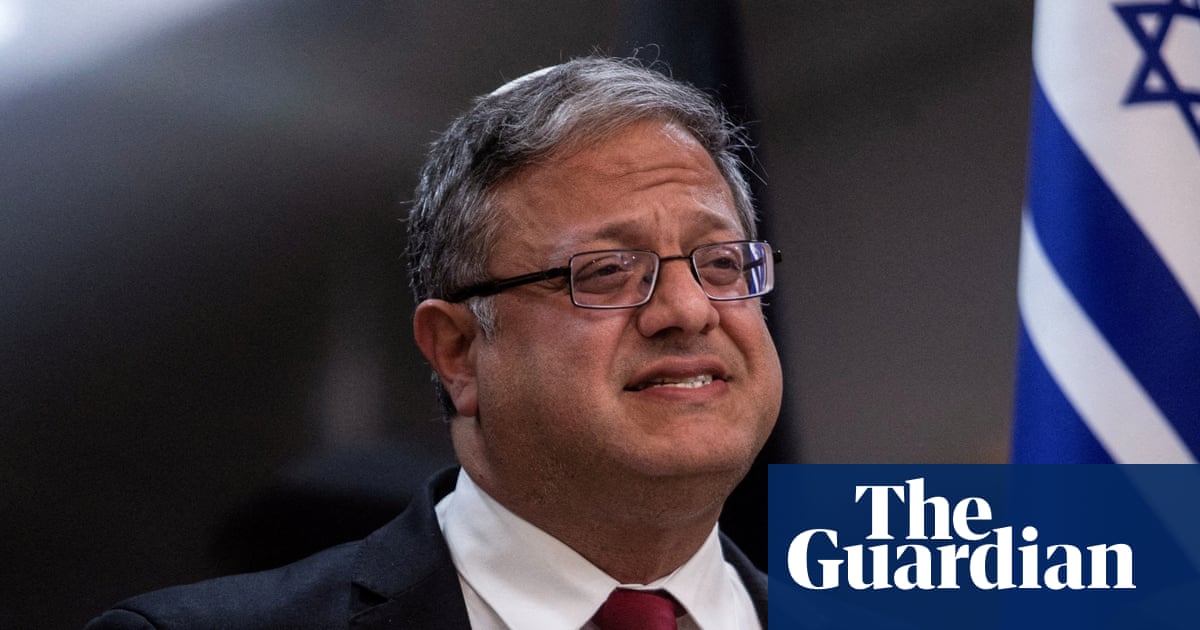
Finance Minister Smotrich stated, 'On this exciting day, we celebrate a historic correction to the criminal expulsion,' during the reopening ceremony of Sa-Nur, emphasizing the government's stance against the idea of a Palestinian state.
The Palestinian internet digitally encapsulates the contradictions of anti-colonial resistance in the neoliberal era, serving as both an instrument for collective interconnection and a site of suppression.
The Litani River also highlights the current fragility of international law. Despite the growing escalation in Lebanon between Israel and Hezbollah, the mandate of the long-standing UN mission UNIFIL is set to expire at the end of the year.
The Palestinian Centre for Human Rights, Al-Haq, and Al Mezan Center for Human Rights are attempting to subpoena arms export documents to assess the legality of permits granted to Israel.
Launched on January 13 as a formally registered European citizens' initiative, the petition must reach 1 million signatures from at least seven EU member states by January 13 next year to trigger formal consideration by the European Commission. It is not a symbolic appeal. It is a mechanism embedded within the EU's democratic framework, designed to translate public will into institutional review.
An Arab human rights non-governmental organisation (NGO) has filed a request for United Kingdom sanctions to be lodged against Israeli Prime Minister Benjamin Netanyahu over incitement to violence and genocide against Palestinians in Gaza and the occupied West Bank. British law firm Deighton Pierce Glynn filed the request on Tuesday with the Foreign, Commonwealth and Development Office on behalf of the Arab Organisation for Human Rights UK (AOHR UK), seeking targeted financial and travel sanctions against the Israeli leader.
The decision extends a policy that has barred foreign correspondents from entering Gaza to report on conditions there, unless reporters are prepared to embed with the Israeli army. At the hearing on Wednesday, justices appeared frustrated with the government's explanations for maintaining the blanket ban on independent press access, which has remained in place since Israel launched its genocidal war against the Palestinian people of Gaza following the Hamas-led attack on October 7, 2023.
Many Israelis see international condemnation as evidence of anti-Semitism, rather than a verdict on their government's actions. Defying a chorus of global condemnation and international law, Israel nevertheless proceeded earlier this month with the de facto annexation of the West Bank, home to more than three million Palestinians and a territory it has illegally occupied since 1967. The international criticism that met the announcement was hardly new.
The new measures, which aim to expand Israel's power across the occupied West Bank, will make it easier to seize Palestinian land illegally. We are anchoring settlement as an inseparable part of Israel's government policy, said Katz. Experts say it will fundamentally alter the civil and legal reality of the territory, removing what the Israeli ministers termed legal obstacles that have existed for decades against the expansion of illegal settlements in the occupied territories.