#international-football-dispute
#international-football-dispute
[ follow ]
#fifa #world-cup #barcelona #champions-league #atletico-madrid #football #refereeing-controversy #world-cup-2026

fromwww.nytimes.com
3 weeks agoUnder Roman Abramovich, Chelsea Broke Rules for Years, Premier League Says
Roman Abramovich's tenure at Chelsea was marked by unrestrained spending and numerous violations, including tens of millions in off-the-book payments to various stakeholders, which raised serious concerns about the club's financial practices.
Chelsea

fromwww.fourfourtwo.com
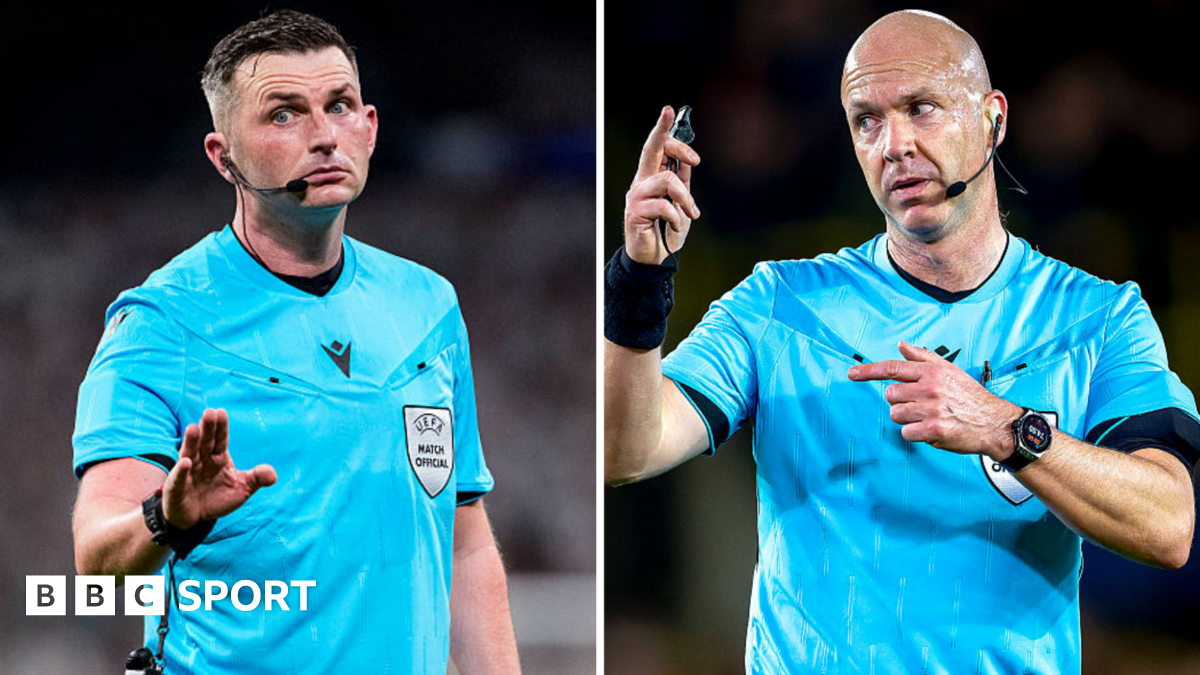
1 day ago'It's clear what's being influenced here' Ivan Toney hits out at Saudi Pro League referee and implies Cristiano Ronaldo's club are being favoured
The big talking point was the two penalties. It's clear as day. I don't know what more you want him to do - pick the ball up with two hands, are you going to give a penalty then or not?
Soccer (FIFA)
#barcelona
FC Barcelona
fromESPN.com
2 days agoBarcelona file complaint to UEFA after penalty denied in Atletico loss
Barcelona filed a complaint with UEFA after a controversial non-penalty decision in their Champions League match against Atlético Madrid.


fromBarca Blaugranes
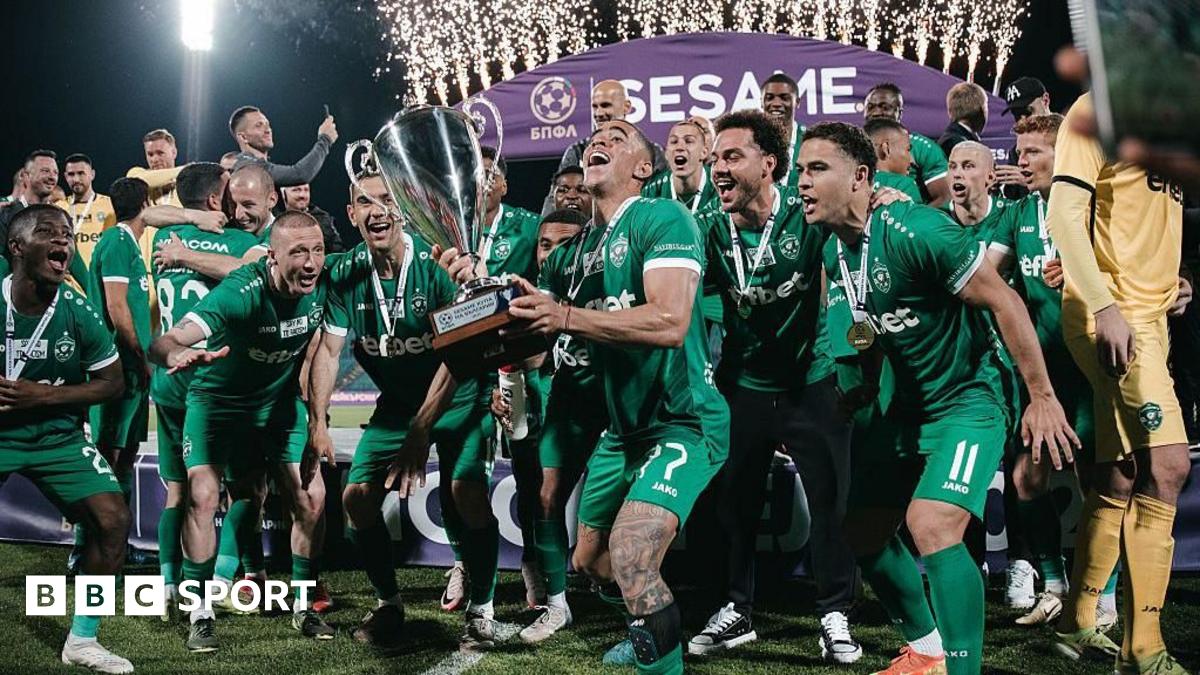
23 hours ago'I don't care' - Barcelona boss Hansi Flick refuses to 'waste energy' on Real Madrid and Alvaro Arbeloa after referee comments
I don't care about these things, it's this business, there's a lot of noise between us, but that's what I tell the team, we have to focus on ourselves and not on what Real Madrid does, we are in a good position and we have to win every game and only think about ourselves.
FC Barcelona


France politics
fromwww.bbc.com
3 weeks ago'The longest VAR check in history' - now African football needs to move on
Morocco's 2025 Africa Cup of Nations final victory over Senegal was overturned two months later due to controversial refereeing decisions and VAR issues, overshadowing the tournament's record-breaking attendance and global viewership.


#2026-fifa-world-cup
World politics
fromwww.dw.com
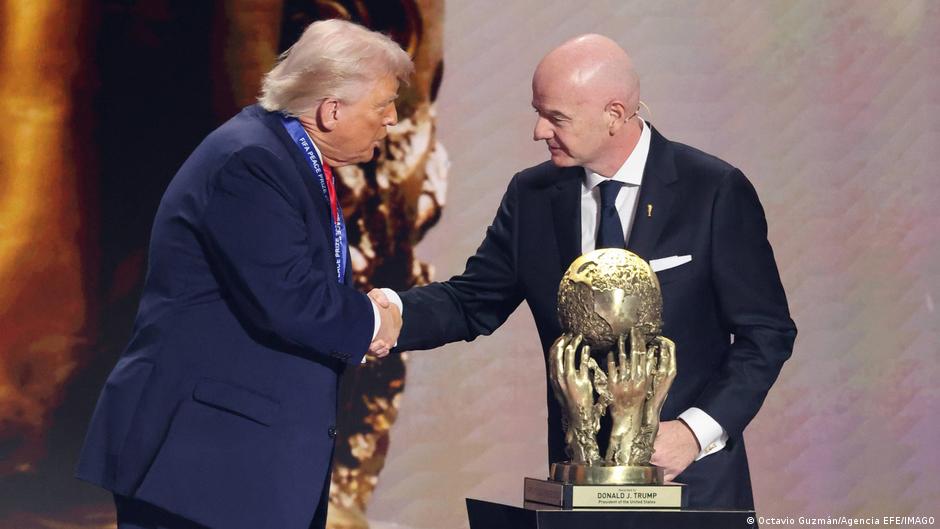
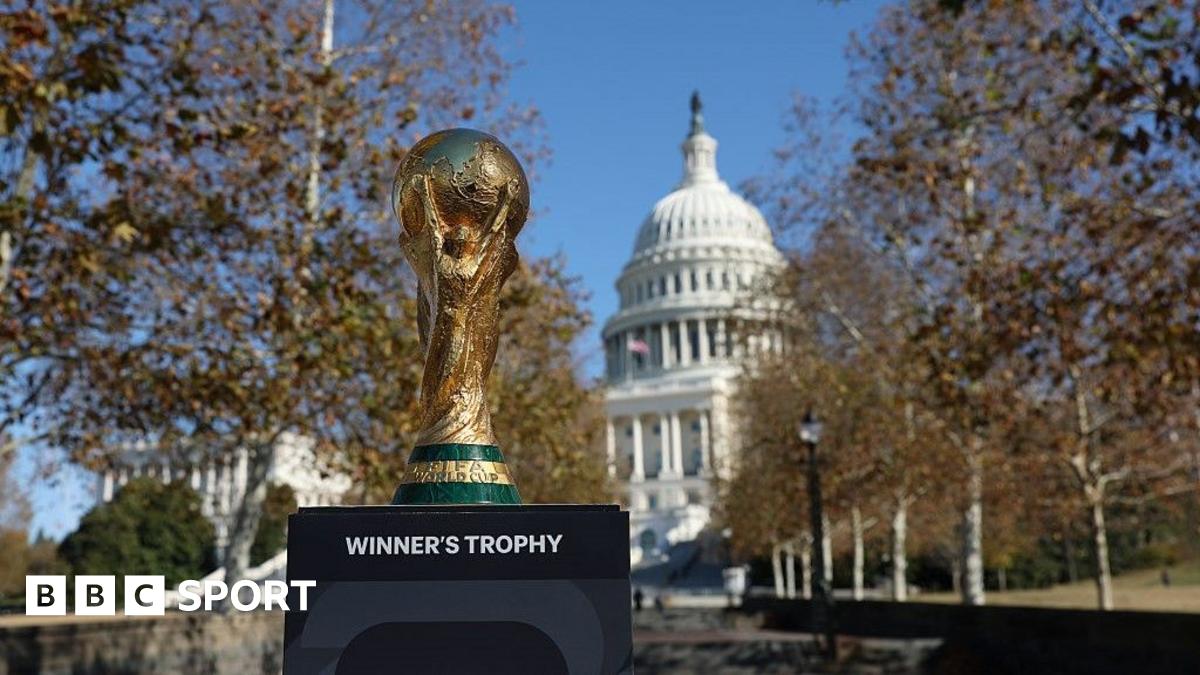
3 weeks agoWorld Cup 2026: Is the US-Iran war an ethical tipping point?
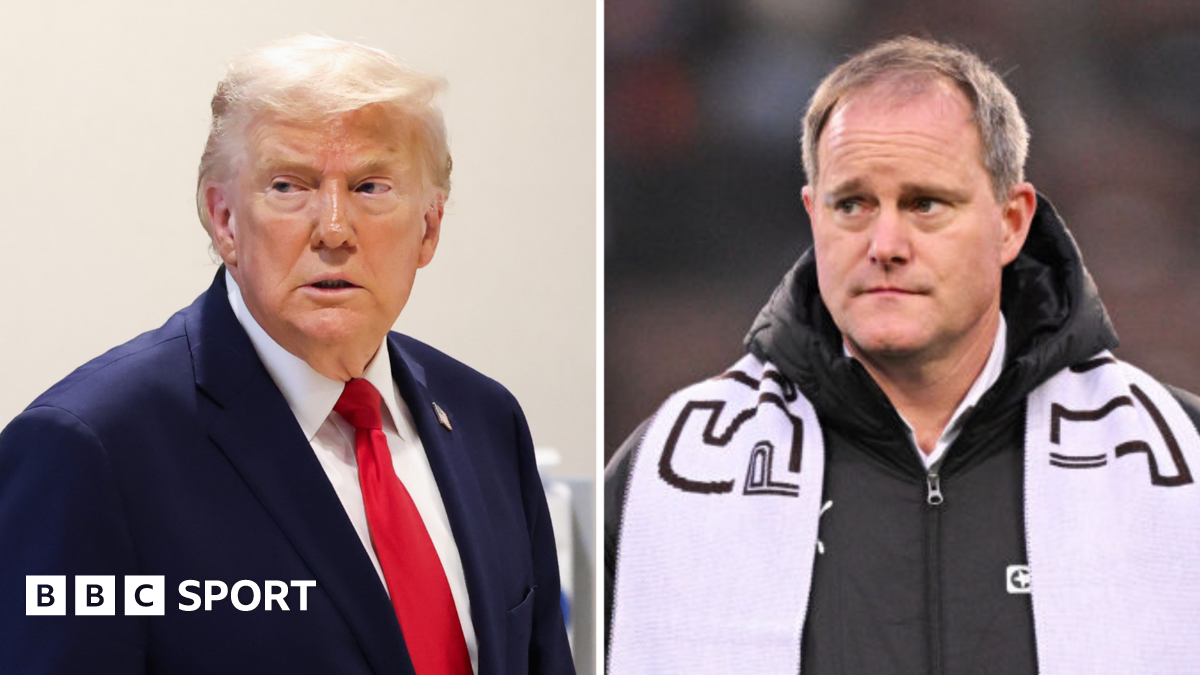
Trump says Iran can play in the 2026 World Cup but questions their safety, while Iran demands the US be expelled; FIFA leadership faces criticism for inconsistent application of neutrality and human rights principles.
Miscellaneous
fromIndependent
1 month agoFAI CEO David Courell says implications of six-point punishment serious enough to play Israel games
FAI CEO David Courell states UEFA has not threatened sanctions beyond six-point deductions for not fulfilling Nations League matches against Israel, and the board decided proceeding with fixtures serves Irish football's sporting interests.
Manchester United
fromwww.theguardian.com
1 month agoFA to look at whether Jim Ratcliffe broke football rules by saying UK colonised' by immigrants
Jim Ratcliffe's claim that Britain 'is being colonised by immigrants' provoked condemnation and led the FA to examine if he brought the game into disrepute.
Miscellaneous
fromwww.theguardian.com
2 months agoConcerned European football chiefs discuss response to Trump over Greenland
European football leaders discussed coordinated responses and potential Uefa-led boycotts over Trump's Greenland annexation threat, given the US role hosting most World Cup matches.
Soccer (FIFA)
fromIndependent
1 month agoFAI complete major coup as top-rated Chelsea talent switches allegiance from Northern Ireland to Republic
A 17-year-old from Armagh switched international youth football representation from Northern Ireland to Ireland after previously impressing FAI coaches during a 2021 trial.
Soccer (FIFA)
fromwww.bbc.com
1 month agoExpansion, reform and controversy - 10 years of Infantino as Fifa president
Gianni Infantino transformed FIFA from financial crisis and corruption scandal into a governing body reporting record $13bn revenues over a decade, though his tenure remains marked by controversy and conflict with players' unions and European football.
fromwww.bbc.com
2 months agoFrom Fiji to Latvia - are cross-border leagues the future?
"A lot of things have to fall in place before I think we're ready to expand," says Larman. "But certainly the dream is to get to a larger number of clubs. "The success of the league will depend on strength of the clubs - so all have strong community links or ingrained community involvement. "That's going to be key for them to have financial success, with big portfolios of commercial partners and a strong team off the pitch which is then generating a lot of money to invest in the first team and youth programmes."
Soccer (FIFA)
Soccer (FIFA)
fromwww.theguardian.com
2 months agoFootball Daily | Cheap gags, disruptive friends and ticket guff: a week in the life of Infantino
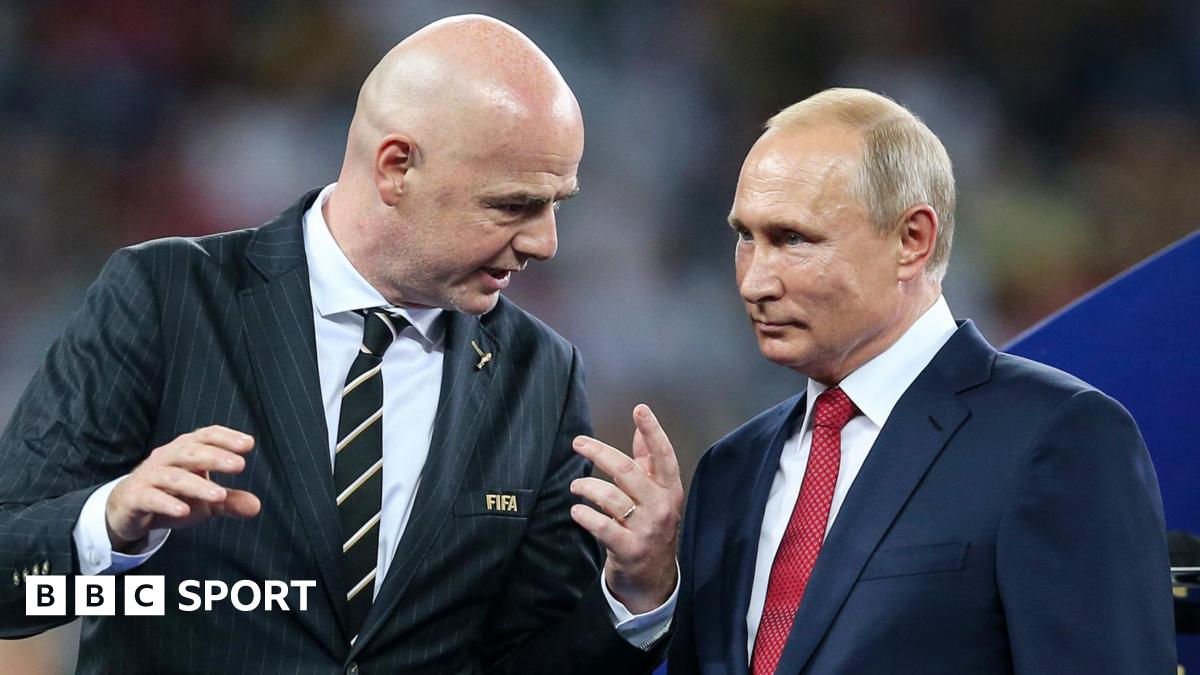
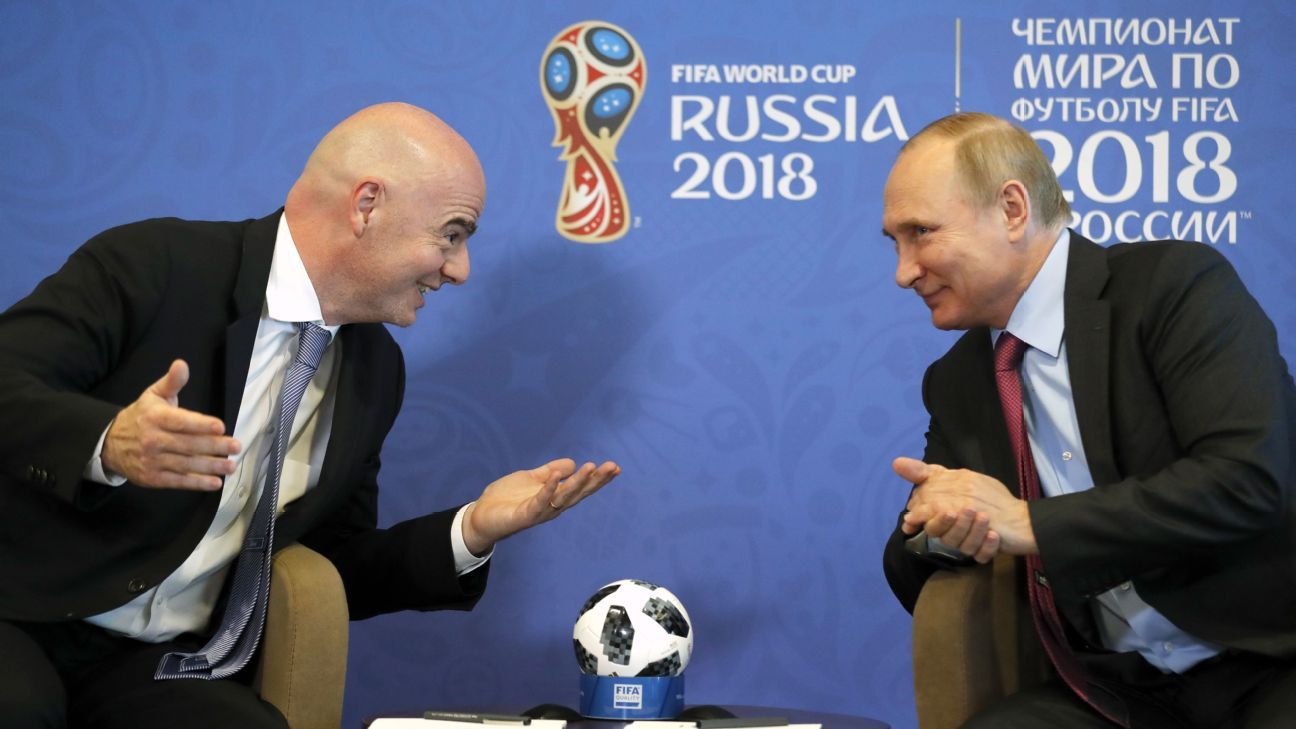
Gianni Infantino navigates controversies: consoling players, defending FIFA's decisions, and managing strained relations with European football amid geopolitical and World Cup disputes.
fromwww.theguardian.com
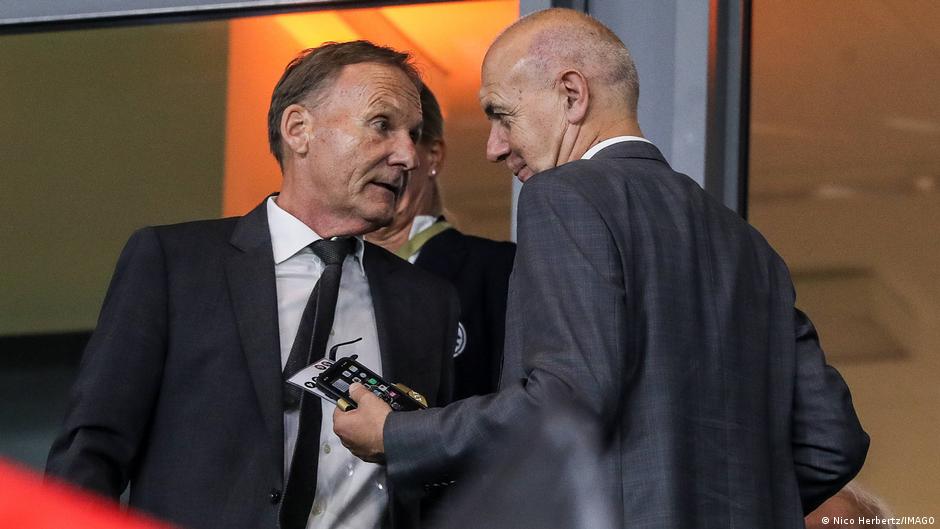
2 months agoA World Cup boycott would be a big statement but unlikely to accomplish much
It was probably fitting that the first call from someone with genuine power should emanate from Germany, long one of soccer's moral centers. The time has definitely come, German soccer federation vice-president Oke Gottlich told the Hamburger Morgenpost, to seriously consider and discuss a boycott of the 2026 World Cup. What were the justifications for the boycotts of the Olympic Games in the 1980s?
Soccer (FIFA)
fromwww.fourfourtwo.com
2 months agoMoroccan FA says it will begin legal action against CAF and FIFA following chaotic end to AFCON final
The clash between hosts Morocco and Senegal was approaching the end of normal time with the two sides goalless, when a disallowed Senegal goal was followed by the awarding of a stoppage time Morocco penalty by referee Jean Jacques when El Hadji Malick Diouf felled Brahim Diaz. Still angry at seeing a goal for his side chalked off, Senegal boss Pape Thiaw told his team to leave the pitch.
Soccer (FIFA)
[ Load more ]