#incan-myth
#incan-myth
[ follow ]
#archaeology #cultural-heritage #rock-art #indigenous-art #radiocarbon-dating #amazon #indigenous-peoples

History
fromArs Technica
1 month agoCenturies before the Inca, Peru's wealthy imported parrots from afar
The Ychsma kingdom maintained a sophisticated long-distance trade network spanning hundreds of kilometers across the Andes to import live parrots from the Amazon rainforest centuries before the Inca Empire.
Renovation
fromYanko Design - Modern Industrial Design News
1 month agoA House In Ecuador That Climbs the Land Instead of Changing It - Yanko Design
La Miradora in Ecuador's highlands uses natural terrain to shape its design, with wooden ribs as the primary structural system that adapts to the slope while providing shelter and framing views.
Miscellaneous
fromEntrepreneur
1 month agoFrom Andean Villages to Antarctica - What Living a Life Built on Adventure Can Teach You About Leadership
Collette's CEO Jaclyn Leibl-Cote built leadership credibility through hands-on experience across all departments, prioritizing people-first leadership and community impact through the Collette Foundation.
fromwww.thehistoryblog.com
1 month agoRitual site at summit of rock formation identified
The two socketed axes were discovered last year by a metal detectorist who recognized that their careful positioning could not have been a natural process. He reported the find to the Westphalia-Lippe Regional Association (LWL). The subsequent excavation of the find site revealed a far more complex depositional context. Beneath the axes is a pit carved into the rock.
History
OMG science
fromwww.scientificamerican.com
1 month agoWhere did magic mushrooms come from? Scientists just got closer to an answer
Scientists discovered Psilocybe ochraceocentrata, a new magic mushroom species in Africa that shared a common ancestor with Psilocybe cubensis approximately 1.5 million years ago.
fromBusiness Insider
1 month agoAfter living in South America for 7 years, there's just one region I always recommend to first-time visitors
The Andes Cordillera is full of incredible sights, unique ecosystems, and unforgettable experiences. I believe there's something here for everyone, from vibrant cities to towering volcanic peaks.
Travel
fromColossal
1 month agoInside the Sacred Valley Ceramics Studio Referencing Ancient Peruvian Practices
It is not about reproducing the past but about engaging in dialogue with it. We apply the same level of care and rigor to all pieces. Many of our utilitarian pieces have a strong sculptural quality, and several of the more artistic works originate from everyday forms and functions. We do not establish rigid boundaries between these categories; all are part of the same vision.
Arts
fromOpen Culture
2 months agoHow the Incas Performed Skull Surgery More Successfully Than U.S. Civil War Doctors
Grant­ed access to a time machine, few of us would pre­sum­ably opt first for the expe­ri­ence of skull surgery by the Incas. Yet our chances of sur­vival would be bet­ter than if we under­went the same pro­ce­dure 400 years lat­er, at least if it took place on a Civ­il War bat­tle­field. In both fif­teenth-cen­tu­ry Peru and the nine­teenth-cen­tu­ry Unit­ed States, sur­geons were per­form­ing a lot of trepa­na­tion, or removal of a por­tion of the skull.
Medicine
World news
fromwww.theguardian.com
2 months agoThey survived conquistadors and settlers. Now the Arhuaco are facing an even greater threat
Arhuaco face escalating violence as paramilitaries, guerrillas, and traffickers seize Sierra Nevada territory to control drug routes, coca regions, and illicit mineral extraction.
fromwww.theguardian.com
2 months agoWe're in danger of extinction': can Bolivia's water people' survive a rising tide of salt and migration?
In the small town of Chipaya, everything is dry. Only a few people walk along the sandy streets, and many houses look abandoned some secured with a padlock. The wind is so strong that it forces you to close your eyes. Chipaya lies on Bolivia's Altiplano, 35 miles from the Chilean border. The vast plateau, nearly 4,000 metres above sea level, feels almost empty of people and animals, its solitude framed by snow-capped volcanoes. It raises the question: can anybody possibly live here?
Environment
fromBusiness Insider
2 months agoI spent 10 weeks backpacking through South America. Here are the 4 places I'd visit again in a heartbeat.
In the summer of 2022, I quit my full-time job to spend 10 weeks backpacking through South America with my then-boyfriend (now-husband). Consumed by the travel bug, we packed up all our belongings and moved them from our Miami apartment to a storage unit before hitting the road, visiting 16 cities across eight countries. The whole trip was incredible, but four places hold a special place in my memory.
Travel
fromMail Online
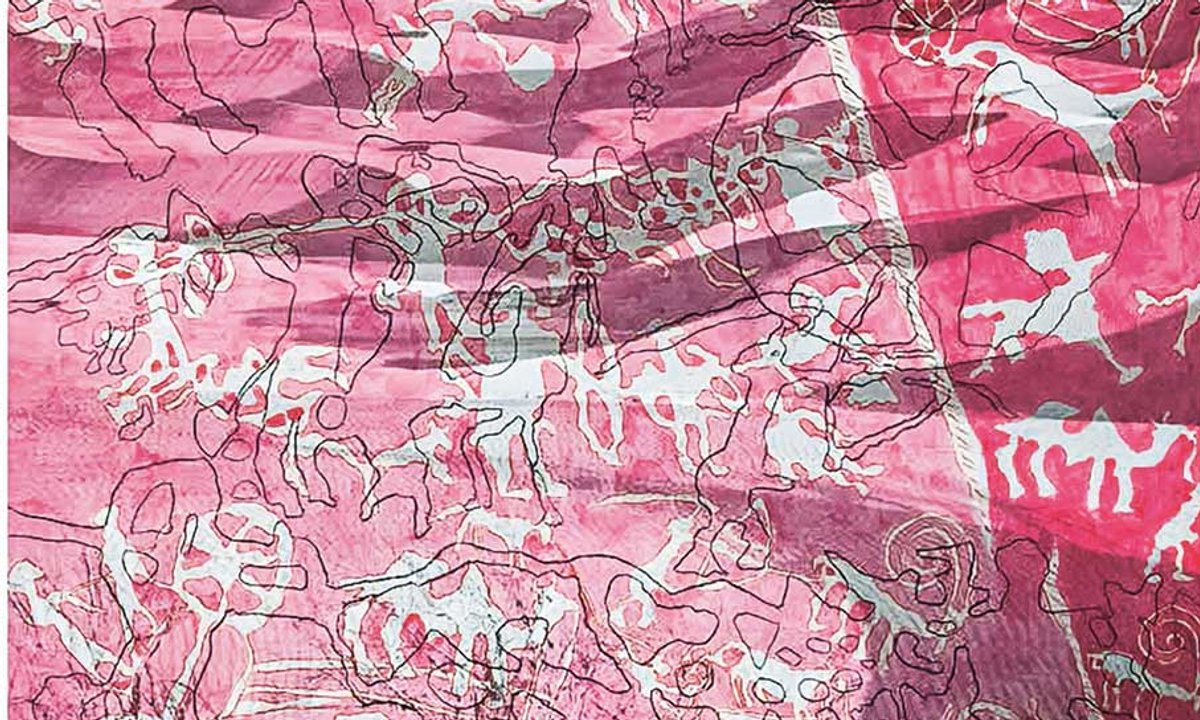
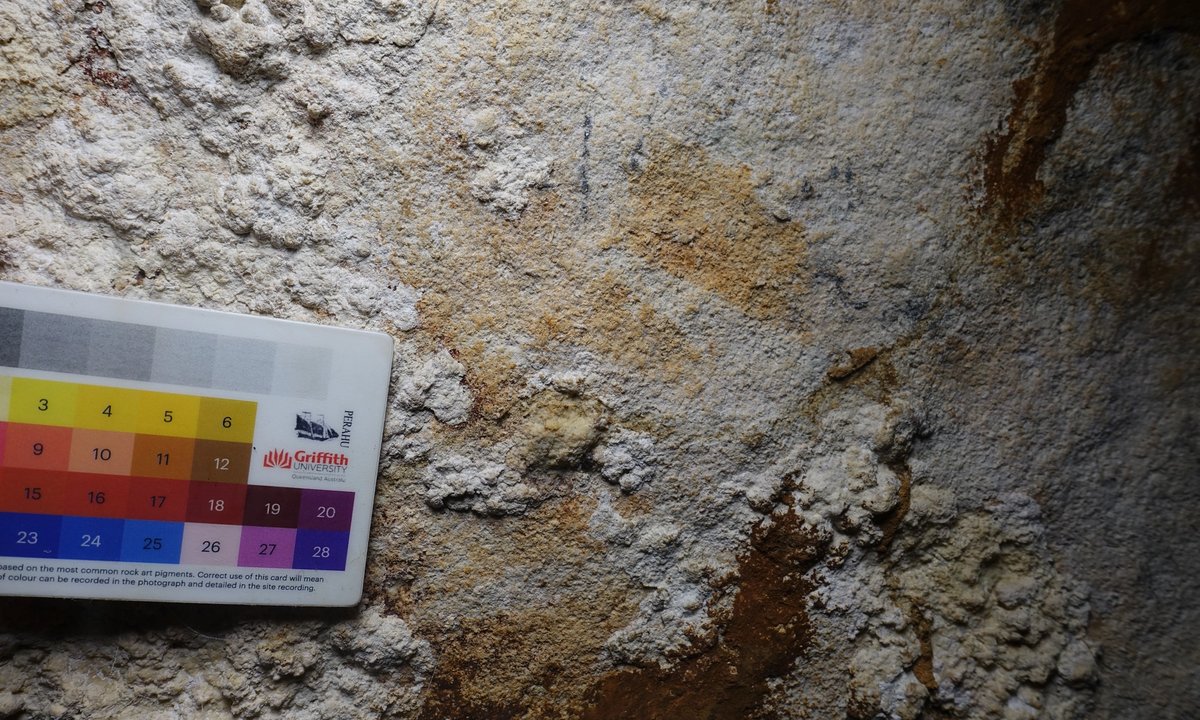
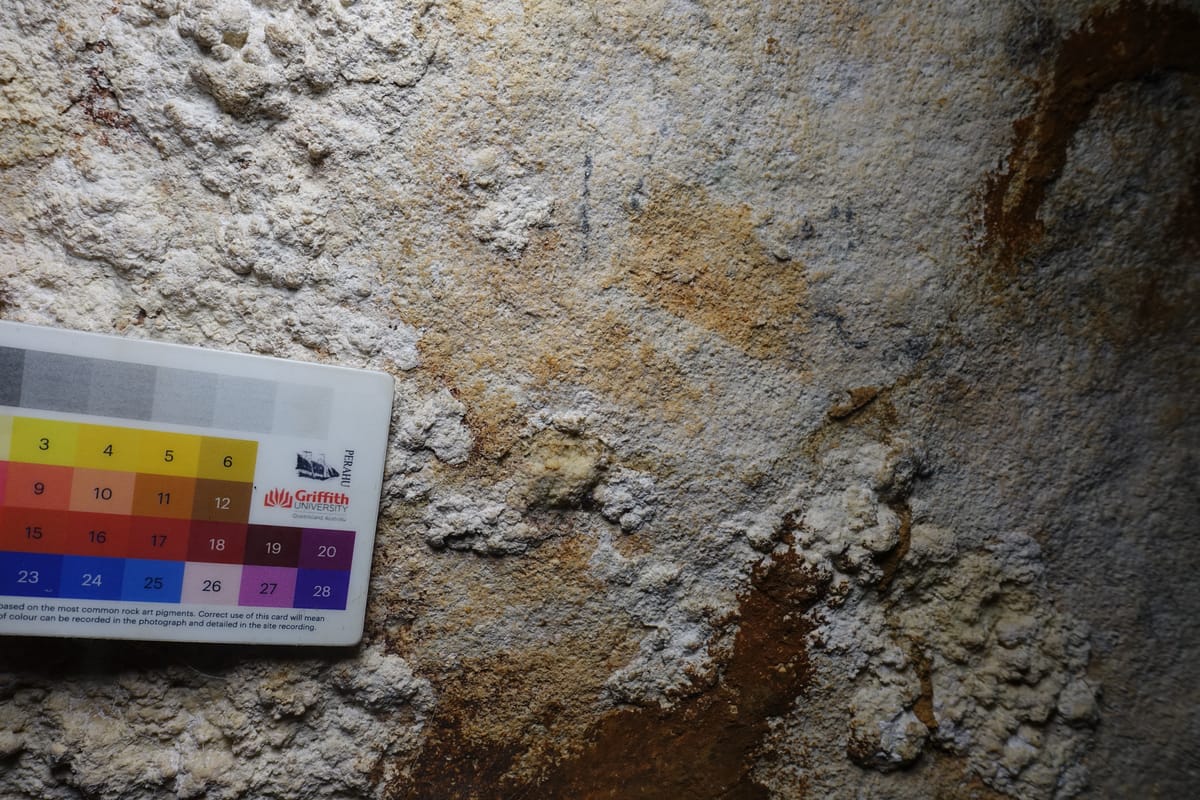
2 months agoMysterious symbols spanning the globe hint at a lost civilization
His investigation began after identifying recurring giant T-shapes, three-level indents, and step pyramids carved into ancient stones worldwide. 'These specific symbols that are built in different size proportions, and the symbols are found in ancient stones around the world, are not supposed to exist; no cultures are supposed to have any cross-platform,' LaCroix explained. The symbols appear in locations ranging from Turkey's Van region to South America and Cambodia.
History
History
fromSlate Magazine
2 months agoIt's Long Been Considered One of the Most Mysterious Places in the World. The Answer Was Hiding in Plain Sight.
Easter Island's remote isolation and massive stone statues have prompted mystery and speculative theories, now challenged by an archaeological reinterpretation of the island's history.
fromThe New Yorker
2 months agoEaster Island and the Allure of "Lost Civilizations"
Finding out what actually happened in the deep past can be a slog, so when ancient history is packaged as mystery-spine-tingling but solvable-it's hard to resist. Who doesn't want to know how a lost civilization got lost, or where it might be hiding? The trouble is that what gets touted as a lost civilization often turns out to have been there all along.
fromWorld History Encyclopedia
2 months agoFestivals in Ancient Mesopotamia: Courting the Goodwill of the Gods
as the gods were understood as the true monarchs and the king as simply their steward. In order to maintain his authority, the king needed to court the goodwill of the gods, and although they made their approval clear through military victories, bountiful harvests, and prosperous trade, events such as the Akitu festival provided an annual opportunity for the divine to continue its relationship with the ruling house or withdraw its favor.
History
History
fromMedievalists.net
2 months agoNew Online Course: The Americas during the Middle Ages - Medievalists.net
An online six-week course examines indigenous peoples of North America and Mesoamerica (500–1500 CE), emphasizing diverse peoples, environments, lifestyles, and pre-contact historical trends.
[ Load more ]