#immune-evasion
#immune-evasion
[ follow ]
#type-1-diabetes #cell-transplantation #mitochondrial-transfer #lymph-node-metastasis #type-i-interferon #hiv
fromNature
2 months agoAntibodies unleashed against pancreatic cancer
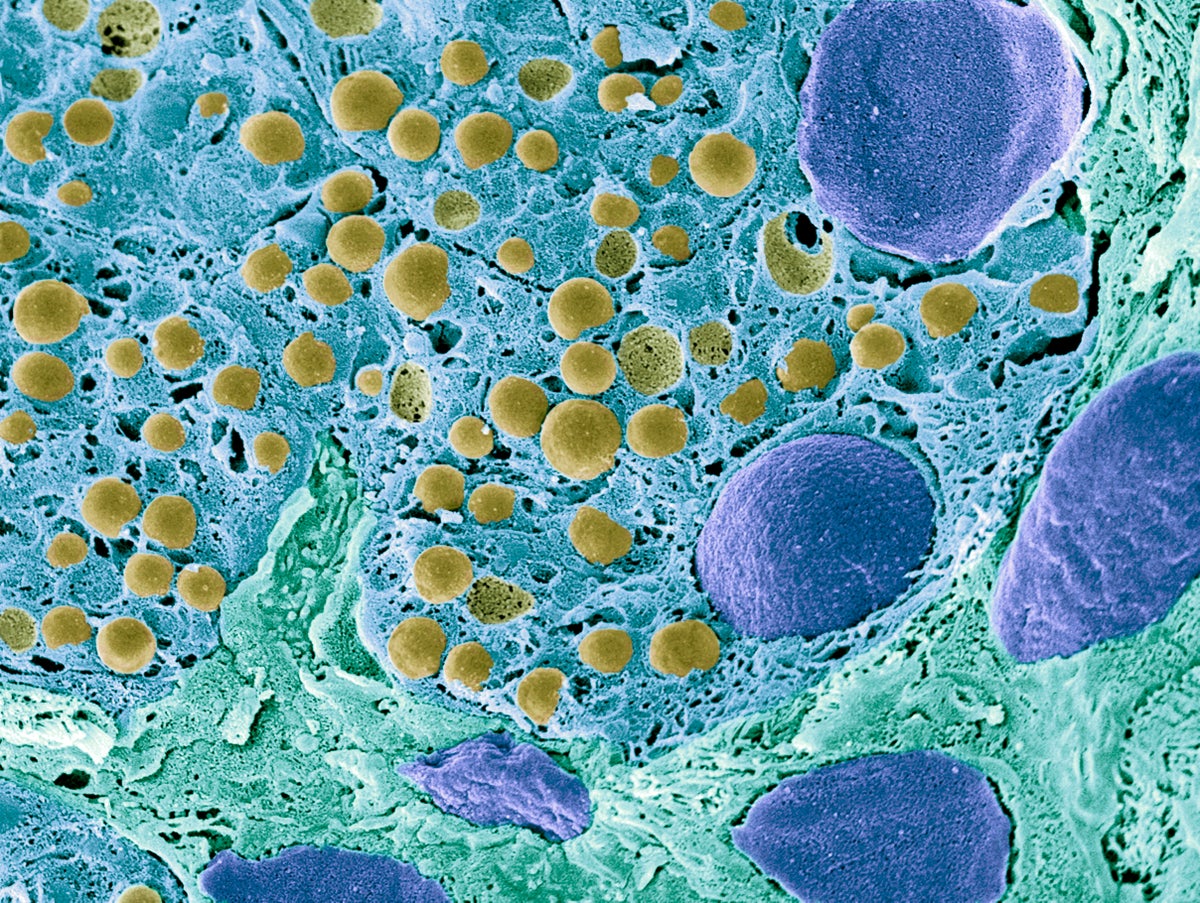
Blocking the mechanism that cancer cells exploit to avoid destruction by the immune system could spur new treatments for the disease. Researchers have developed an antibody that prevents pancreatic cancer cells from evading the immune system and slows tumour growth. The discovery could lead to more treatment options for pancreatic ductal adenocarcinoma - the most common type of pancreatic cancer, which has limited treatment options and a low survival rate.
Cancer
fromNature
4 months agoHope for diabetes: CRISPR-edited cells pump out insulin in a person - and evade immune detection
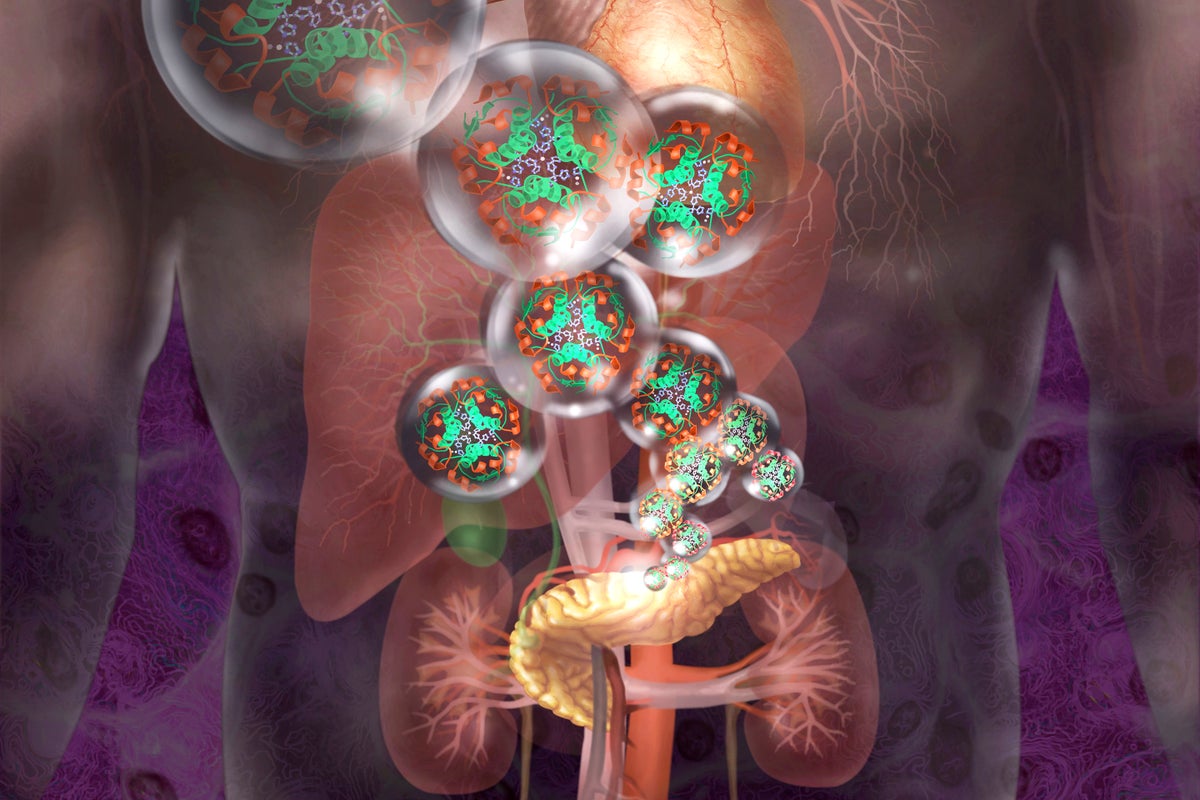
In a medical first, researchers report that they have implanted CRISPR-edited pancreas cells into a person with type 1 diabetes. The cells pumped out sugar-regulating insulin for months - without the need for the recipient to take immune-dampening drugs, thanks to gene edits that allowed the cells, collected from a deceased donor, to evade detection by the recipient's immune system.
Medicine
[ Load more ]