#ice-deployment
#ice-deployment
[ follow ]
#climate-change #greenland #antarctica #sea-level-rise #thwaites-glacier #arctic-security #nato #geopolitics






fromMail Online
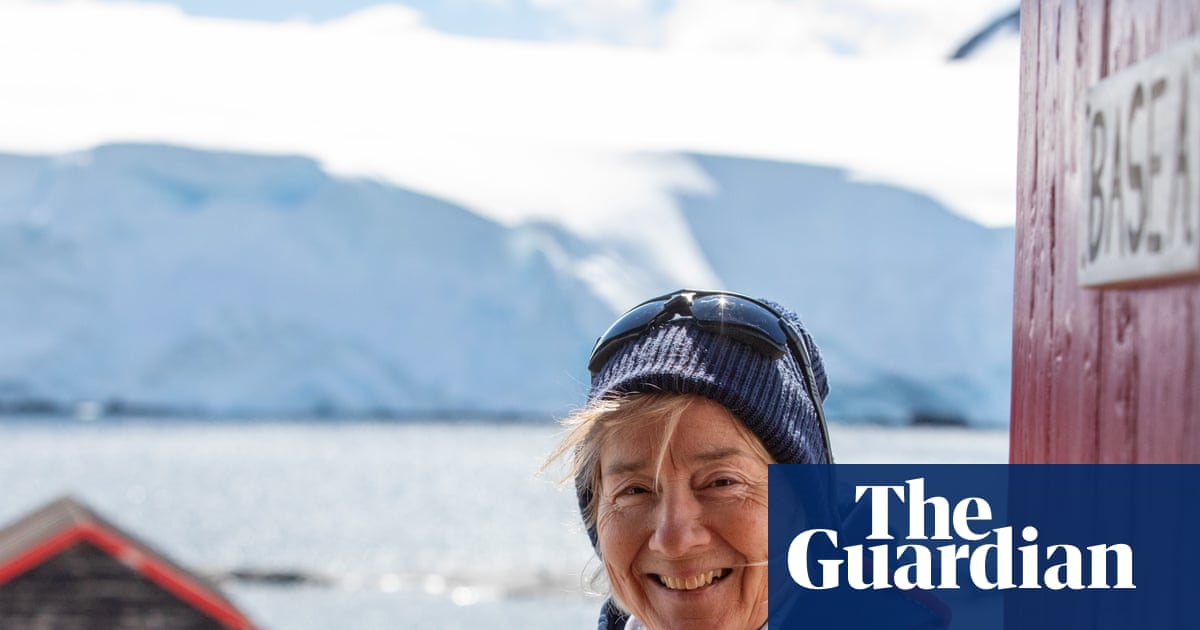
1 month agoOur science editor reviews a 'once in a lifetime' trip to Antarctica
Imagine waking up on a ship surrounded by icebergs, camping in the snowy wilderness and kayaking among the exhalations of humpback whales. You can also take part in a polar plunge, board small zodiac boats to search for leopard seals and collect samples for science research.
Travel
Canada news
fromwww.theguardian.com
1 month agoWe thought we were doomed': Canadian fishers in dramatic rescue after ice shelf floats away
Unseasonably warm weather and strong winds detached a large ice sheet in Lake Huron, stranding 23 ice fishers who were rescued by helicopters after a two-hour operation.
fromWIRED
2 months agoThe ICE Expansion Won't Happen in the Dark
ICE has designs on every major US city. It plans to not only occupy existing government spaces but share hallways and elevator bays with medical offices and small businesses. It will be down the street from daycares and within walking distance of churches and treatment centers. Its enforcement officers and lawyers will have cubicles a modest drive away from giant warehouses that have been tapped to hold thousands of humans that ICE will detain.
US politics
Environment
fromState of the Planet
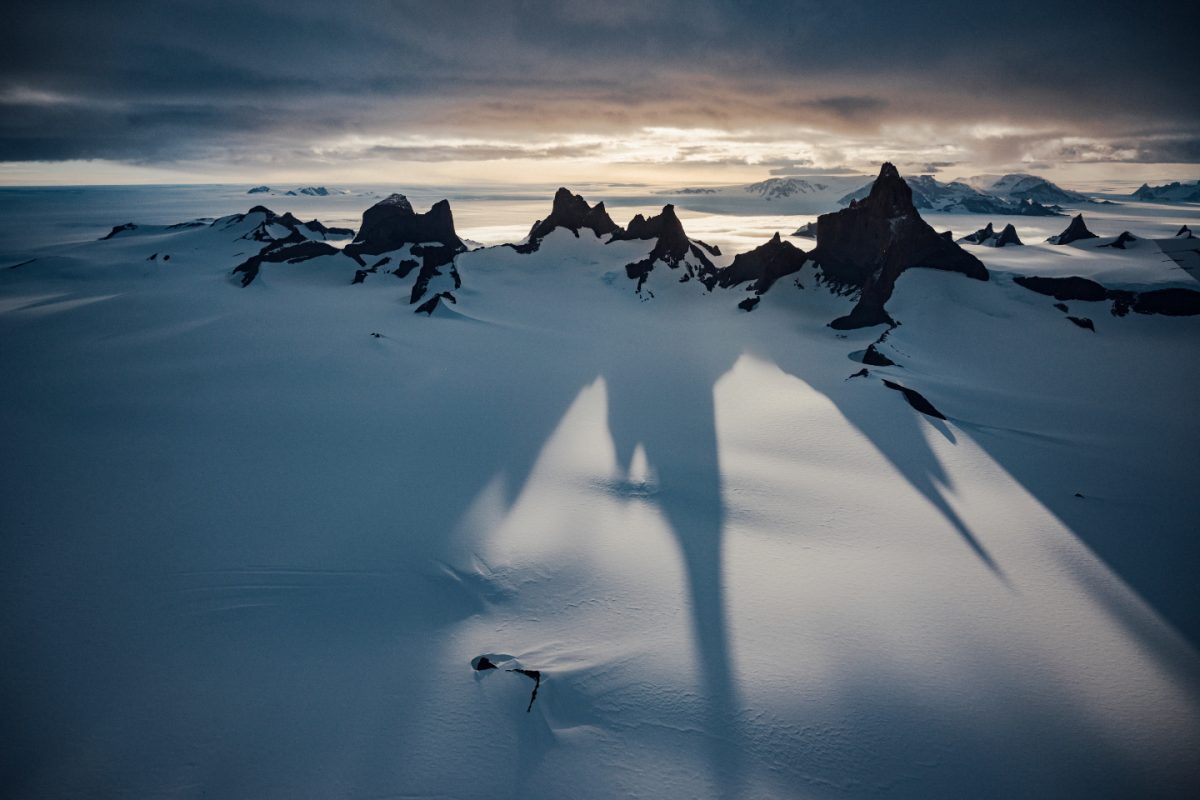
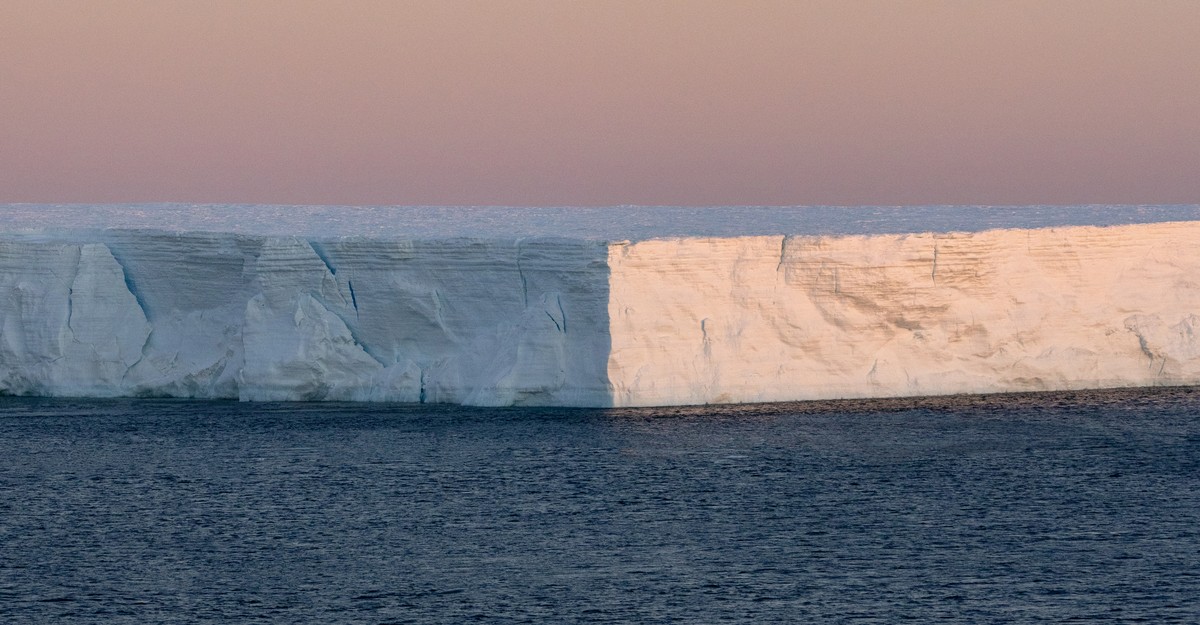
1 month agoAntarctica Undergoes 'Greenlandification' As Ice Melt Accelerates
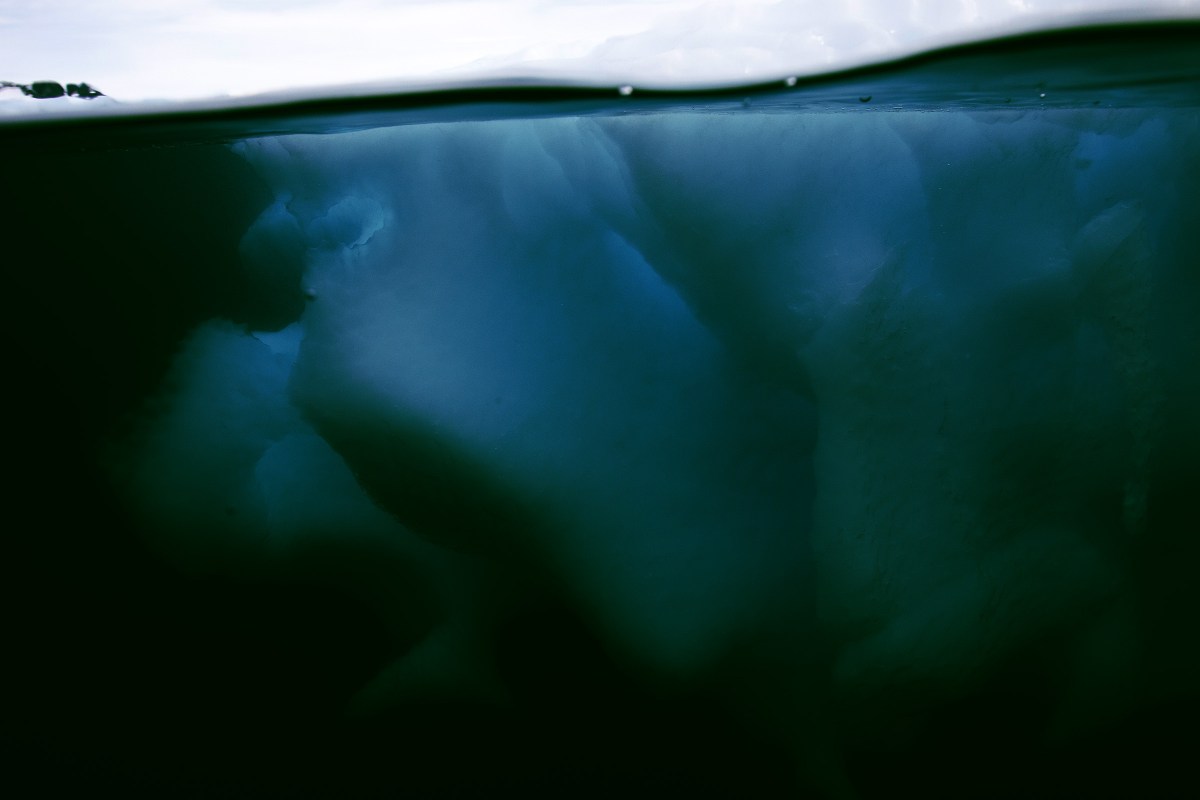
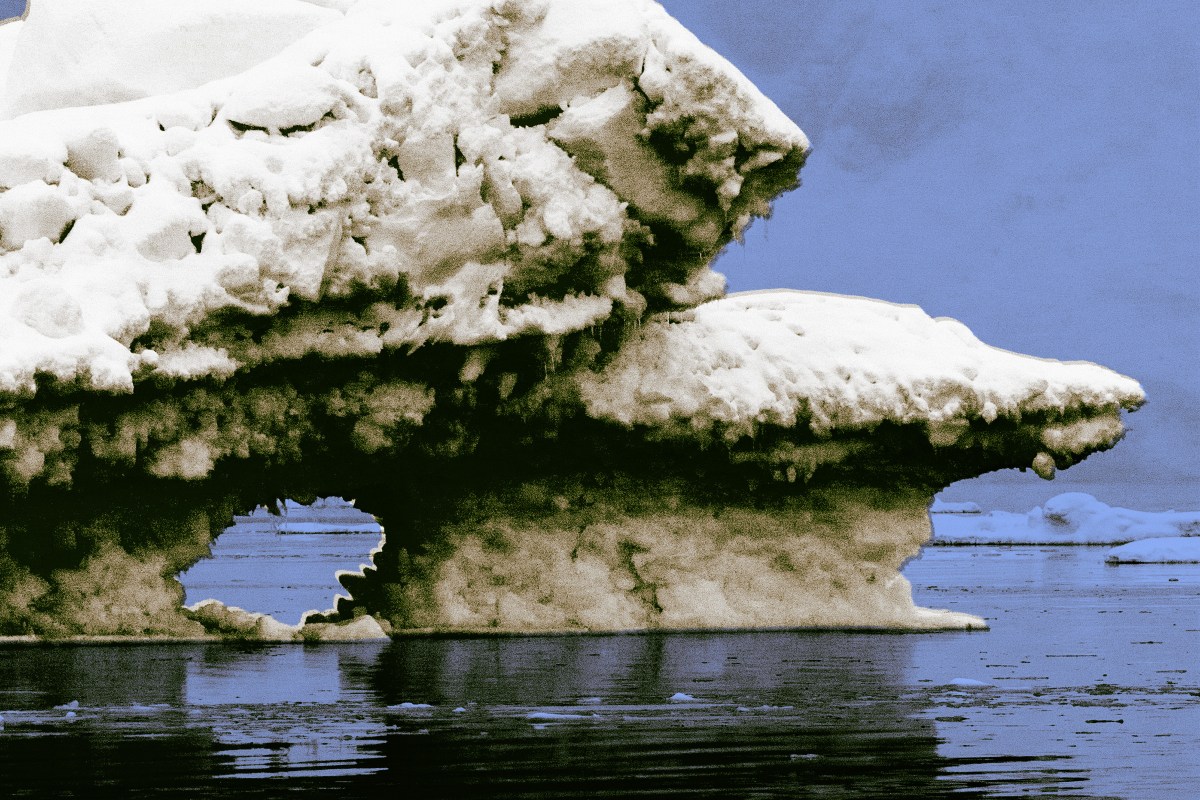
Antarctica's ice sheet is undergoing rapid destabilization similar to Greenland's, with accelerating surface melt, ice shelf collapse, and grounding line retreat driven by oceanic and atmospheric warming.


Travel
fromTravel + Leisure
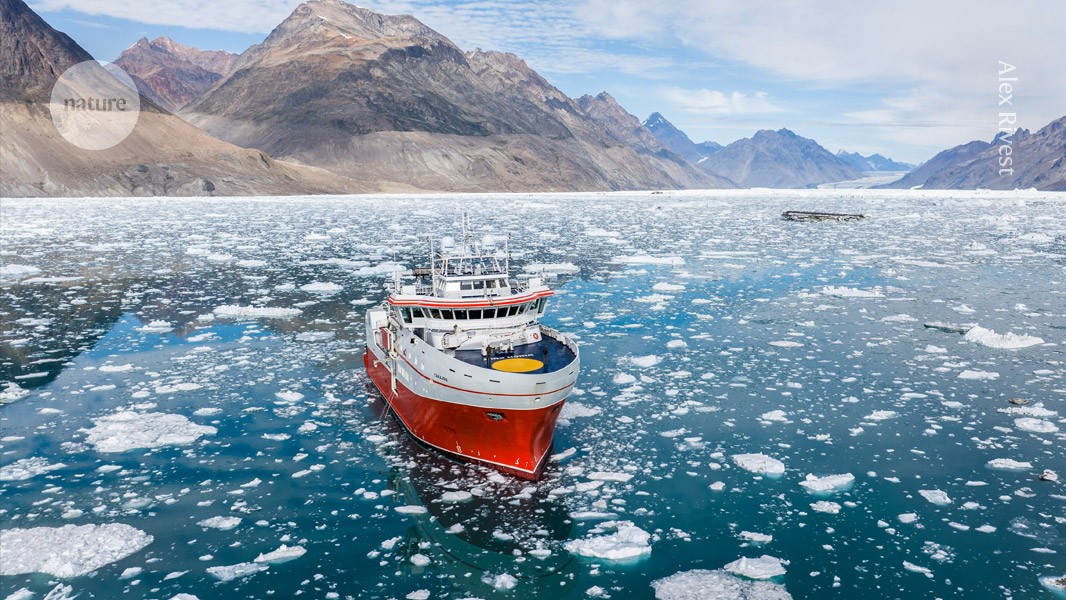
2 months agoThis Is the Most Important Cruise Detail to Know Before Booking an Expedition Cruise
Polar Class ratings define a vessel's hull strength, propulsion, maneuverability, and safety equipment for operating in varying polar ice conditions, with PC1 highest and PC7 lowest.
fromFortune
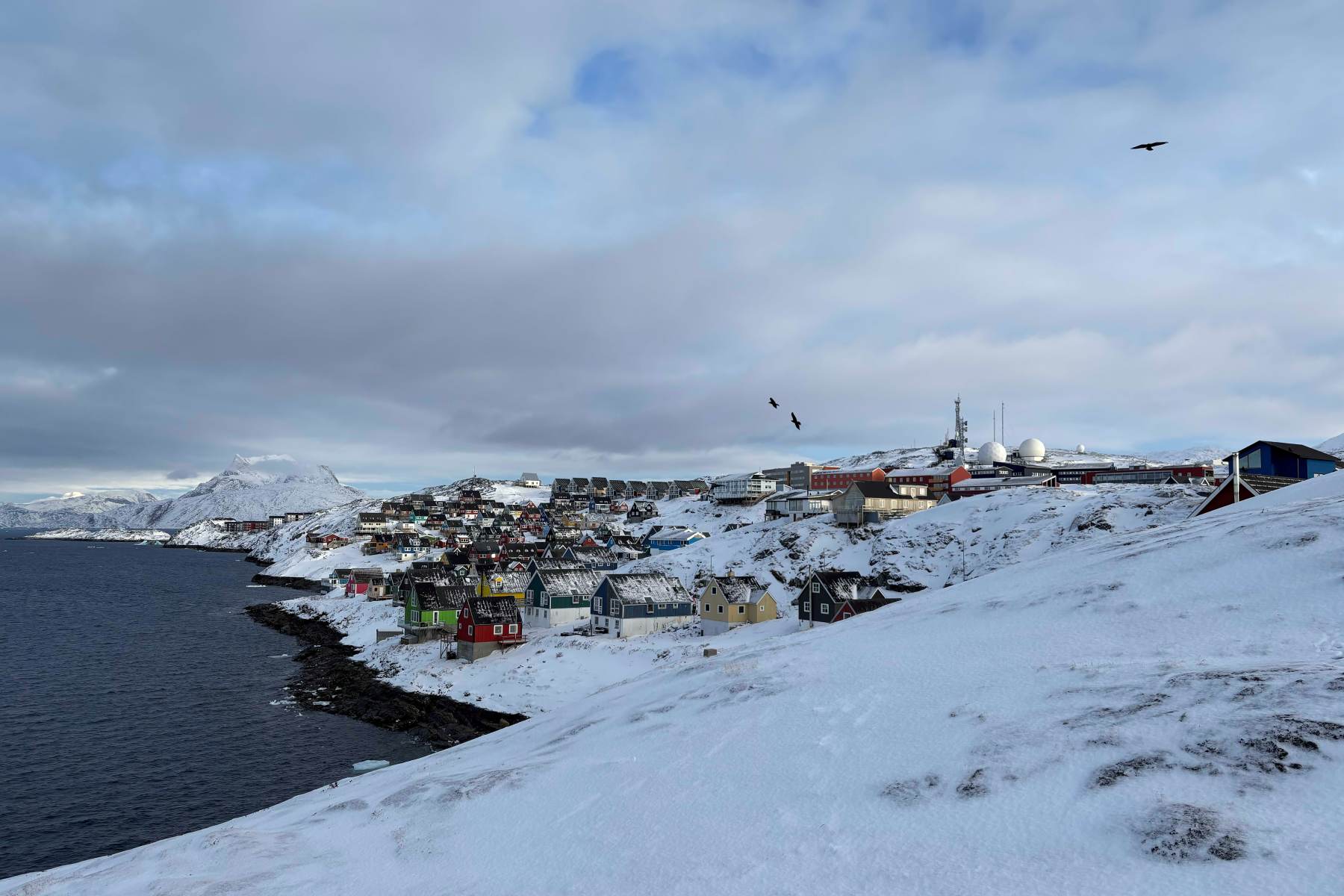
2 months agoGreenland deal doesn't solve 'mutual alienation' between America and its allies, warns economists, and it puts the USD under threat | Fortune
"It's in that spirit that we can still talk about a fracturing, more dangerous, world, in which the U.S. is less vaunted, the USD loses its reserve currency status, and where the U.S. focuses instead on the Western Hemisphere as its sole and defendable redoubt," the pair explained.
Miscellaneous
fromThe Atlantic
2 months agoThe Blind Spot at the Top of the World
He had flown in from Mar-a-Lago and, he told me, was there to observe. The next day, he watched as Åsa Rennermalm, a Rutgers University professor who studies polar regions, sat onstage with European foreign ministers and spoke out against cuts to U.S. science funding. "A leading US Arctic scientist is on stage absolutely ripping her country to the delight of the audience," Dans wrote on X. "Embarassing." He punctuated his post with an American-flag emoji.
US politics
fromState of the Planet
2 months agoUnexpected Climate Feedback Links Antarctic Ice Sheet With Reduced Carbon Uptake
Ice-sheet retreat lined up with low algae growth over the past ~500,000 years, implying less CO₂ uptake in parts of the Southern Ocean during warm periods. The study points to iceberg-delivered, iron-rich sediments from West Antarctica during warm intervals, not windblown dust. The iron-bearing minerals in these sediments were highly weathered and not readily bioavailable to marine algae. If WAIS keeps shrinking, similar sediment delivery could weaken Southern Ocean carbon uptake, creating feedback that could amplify climate change.
Environment
fromwww.scientificamerican.com
2 months agoSvalbard's polar bears are showing remarkable resilience to climate change
Polar bears are the poster children of climate changeand for good reason. These giant bears hunt, mate and spend their days hanging out on Arctic sea ice, which is rapidly disappearing as the climate warms. But some polar bears, it seems, are far more resilient than we realized: new research suggests that in one region, the bears are adapting to the declining sea ice.
Environment
Science
fromNature
1 month agoThe first ice-core record of historical atmospheric hydrogen levels
Atmospheric hydrogen levels fluctuate with climate changes and have increased significantly since pre-industrial times due to human activities, requiring consideration in projections of future emissions impacts.
Environment
fromwww.independent.co.uk
2 months agoIn the Arctic, the major climate threat of black carbon is overshadowed by geopolitical tensions
Arctic shipping soot accelerates sea-ice melt, worsening global warming and weather, while The Independent seeks donations to fund on-the-ground journalism without paywalls.
fromWIRED
2 months agoNo One Is Quite Sure Why Ice Is Slippery
The reason we can gracefully glide on an ice-skating rink or clumsily slip on an icy sidewalk is that the surface of ice is coated by a thin watery layer. Scientists generally agree that this lubricating, liquidlike layer is what makes ice slippery. They disagree, though, about why the layer forms. Three main theories about the phenomenon have been debated over the past two centuries. Last year, researchers in Germany put forward a fourth hypothesis that they say solves the puzzle.
Science
fromMail Online
2 months agoAntarctica's worst-case climate scenario laid bare
Changes in the Antarctic do not stay in the Antarctic. Though Antarctica is far away, changes here will impact the rest of the world through changes in sea level, oceanic and atmospheric connections and circulation changes.
Environment
fromState of the Planet
2 months agoSea Levels Are Rising-But in Greenland, They Will Fall
That seemingly paradoxical dynamic results from several factors. Foremost among them is the rebound of land beneath the Greenland Ice Sheet, a mile-thick body of glacial ice that covers 80 percent of the island and is being lost to melting at a rate of roughly 200 billion tons each year. As the ice sheet loses mass, the land beneath rises.
Science
fromwww.dw.com
2 months agoArctic scientists 'feel pretty uncomfortable' on Greenland
Decades of successful scientific collaboration could be at risk if Europe-US political relations continue to fray over trade and defense issues. For more than 30 years, Arctic nations have worked together across the physical, biological and social sciences to understand one of the world's fastest changing regions. Since the late 1970s, the Arctic has lost around 33,000 square miles of sea ice each year roughly the same area as Czechia.
Science
[ Load more ]