Mindfulness
fromBig Think
6 days agoZugunruhe: The restless sign that something needs to change
Zugunruhe describes the innate urge to move and change, experienced by both humans and migratory birds.
The people who need you to shrink are dealing with their own stuff. After decades of running my own electrical contracting business, I've worked in hundreds of homes. Rich people, poor people, and everyone in between. You know what I noticed? The people who treated me like I was beneath them were always the ones fighting their own battles.
One of the biggest gripes I have about my academic field of social science is that it explains a lot about human behavior but is very short on prescriptions for how to live day to day. Even when it does have something suggestive to offer, the research almost never supplies evidence of whether its widespread adoption would have a positive effect. The same deficiency is even truer for philosophy, a realm in which big thoughts about life usually remain abstract ideas.
The assertive actions of Waymo's self-driving taxis reflect a shift towards more human-like driving behaviors, potentially enhancing safety through better predictability and interaction with human drivers.
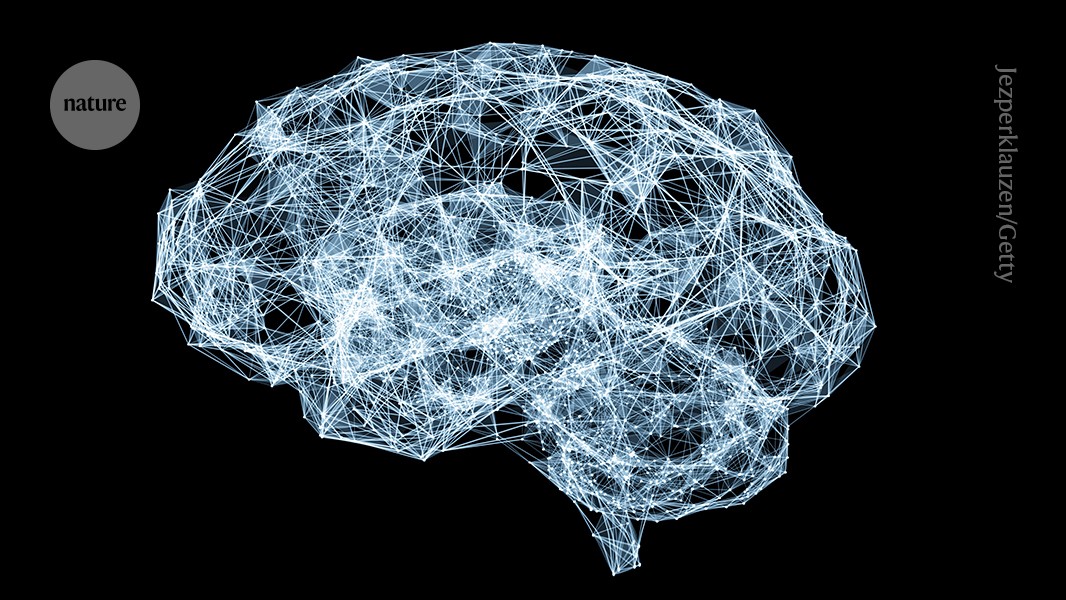
At first glance, the human brain might appear to be a marvel of engineering-a seamless interface for sensory input, cognitive control, and motor output. But if you peer beneath its sophisticated functions, one quickly sees a structure resembling something more like London's winding streets: layered, circuitous, and often baffling in its logic.