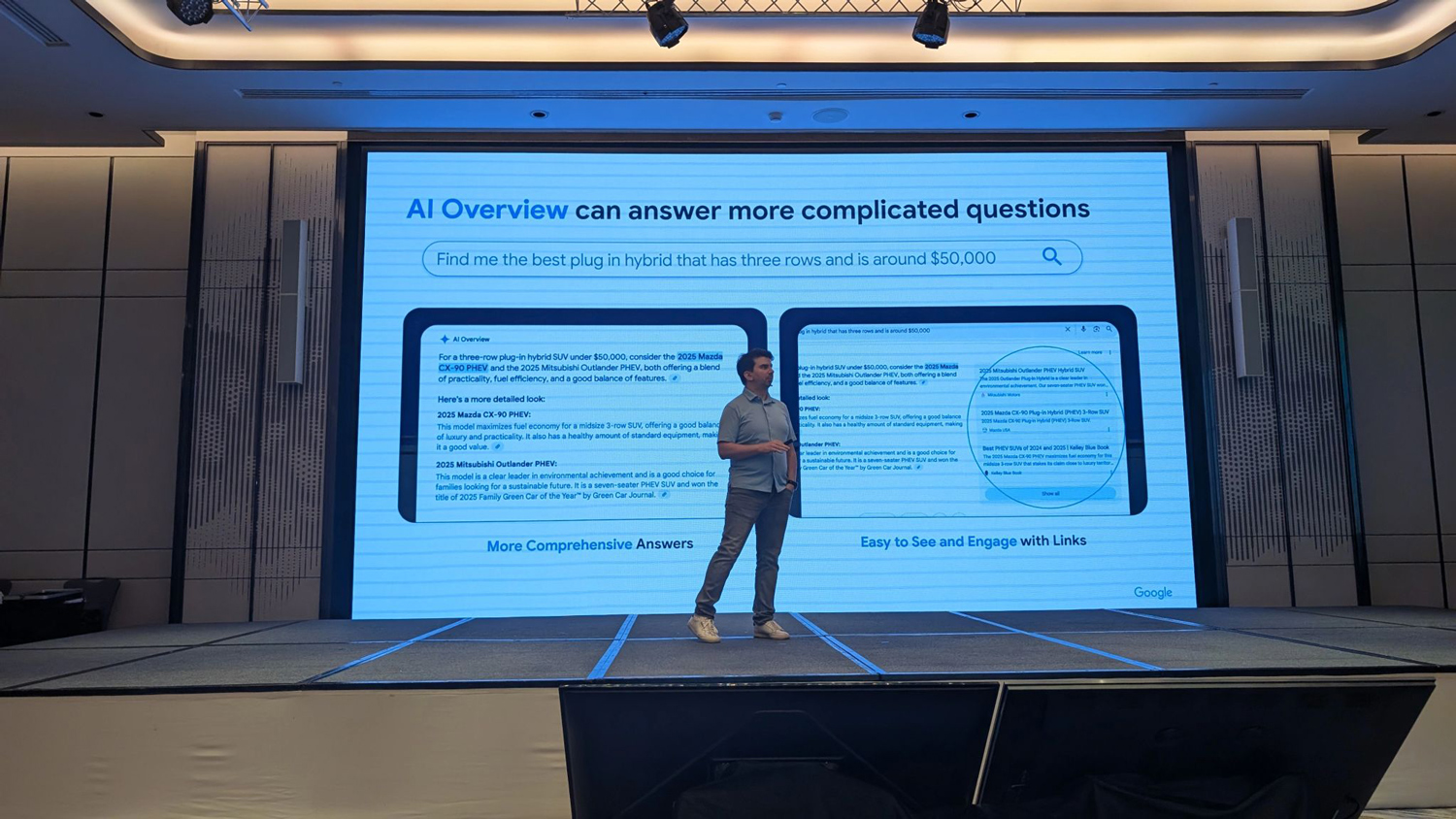
British news outlet The Guardian investigated how Google AI overviews could put people at risk and even harm them. It was revealed that in the blurbs at the top of the search results, misleading and false information was spread by the AI. For example, when it was asked what the normal range for liver blood tests was, the AI would give false numbers due to lack of information. Nationality, age, and sex are all factors that play a role in determining the correct results.
This week, a U.K. coalition comprised of the Independent Publishers Alliance, non-profit tech-justice company Foxglove, and non-profit advocacy group Movement for the Open Web revealed that they have kicked off a lobbying effort with the Department of Justice, in the hope that the U.S. regulator will hear their evidence for why and how Google's AI Overviews has caused "substantial and irreparable harm" to independent publishers' traffic and revenue.
Google appears to have blocked AI search results for the query "does trump show signs of dementia" as well as other questions about his mental acuity, even though it will show AI results for similar searches about other presidents. When making the search about President Trump, AI Overviews will display a message that says, "An AI Overview is not available for this search":
SEM Rush data for March-July shows ~13-18% of Google queries generated an AI summary. When people see one, they click fewer links (8% vs 15% CTR to web results), redistributing traffic. The majority of these 'lost clicks' are likely low value to brands - typically informational-led rather than purchasing-led. Reports show declining traffic without equivalent conversion drops. That may change as rollout continues.
Since the launch of Google AI Overviews in May 2024, zero-click search grew by 13 percentage points, reaching 69% in May 2025, while organic traffic to news sites declined significantly.