#geomagnetic-storm-g3
#geomagnetic-storm-g3
[ follow ]
#space-weather #aurora-borealis #geomagnetic-storm #solar-storm #northern-lights #aurora #magnetars #neutron-stars
fromTheregister
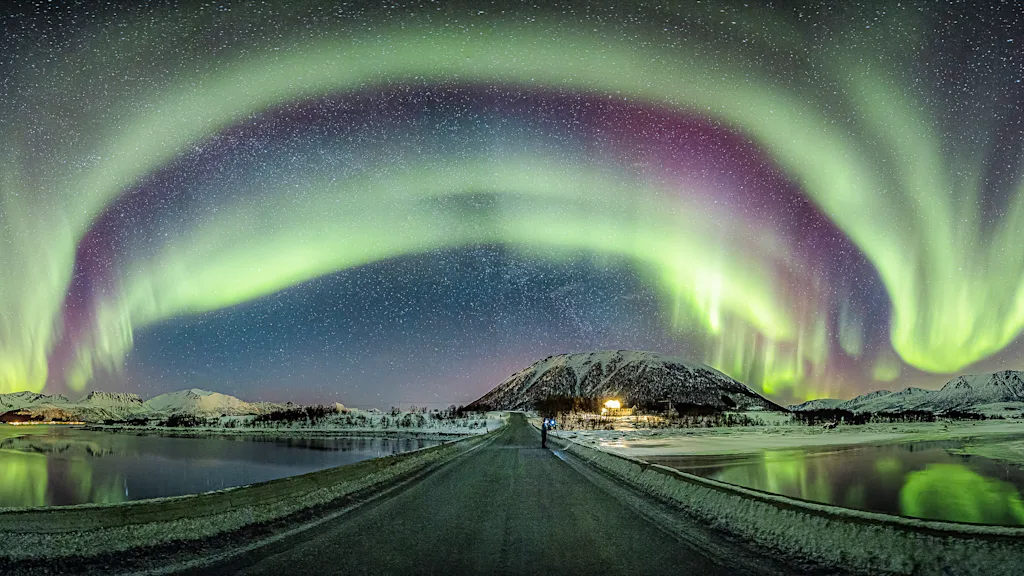
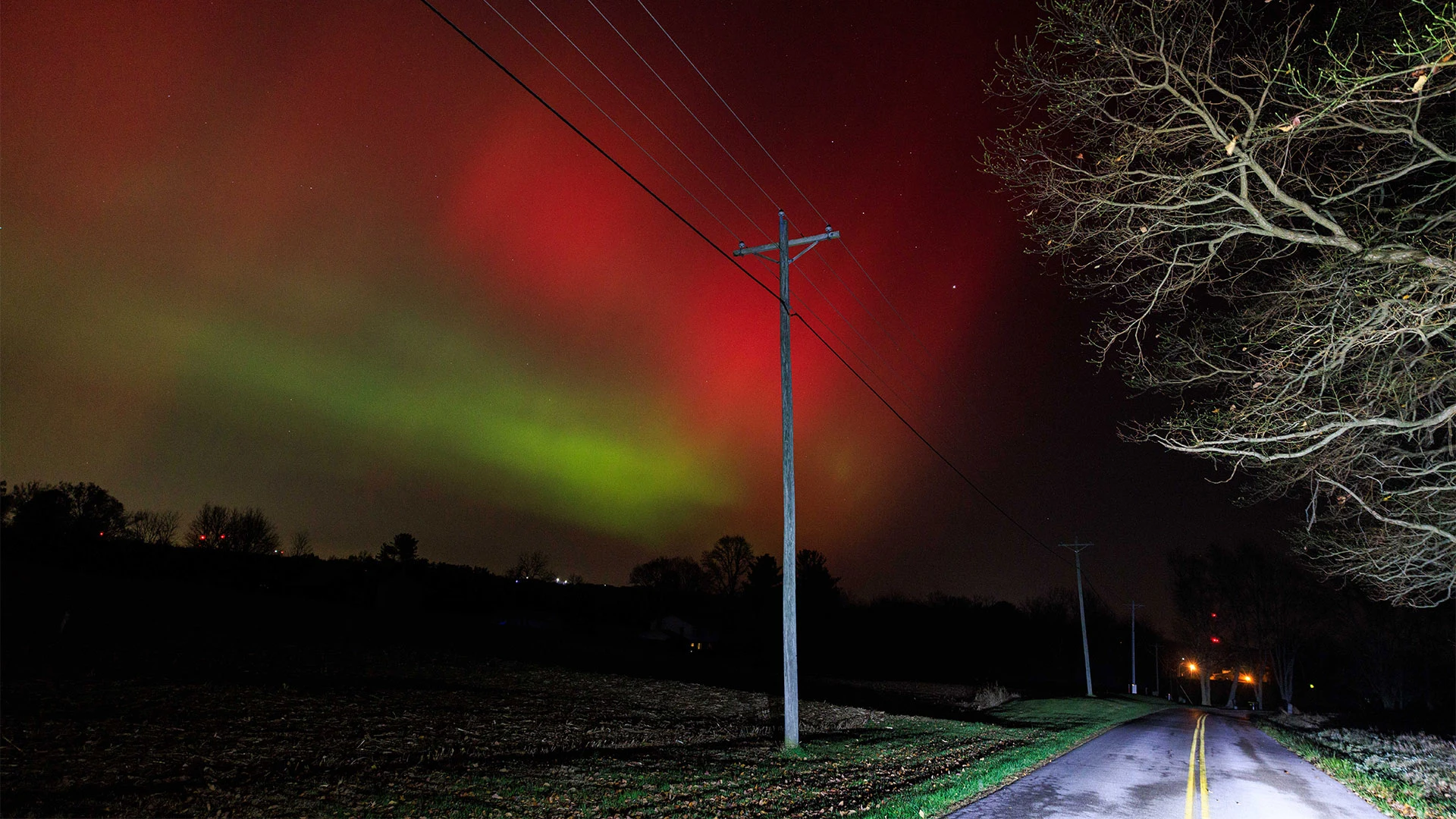
3 weeks agoBritain is not prepared for catastrophic space weather
The UK is not well prepared for a severe space weather event, despite some investment in developing forecasting capabilities. The government does not yet understand the full range of possible impacts and cascading effects well.
UK news
OMG science
fromMail Online
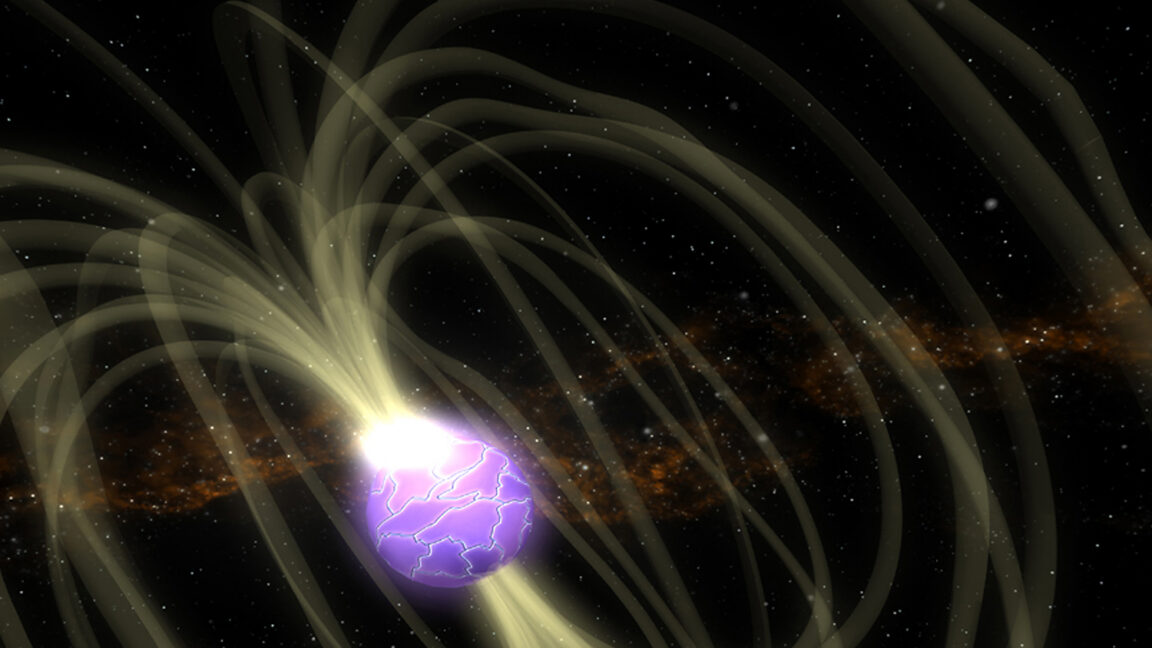
1 month agoAstronomers watch the birth of a magnetar for the first time
Astronomers observed the birth of a magnetar, an extremely dense neutron star with the universe's most powerful magnetic fields, through a superluminous supernova's unusual flickering light pattern over 200 days.

fromwww.theguardian.com
1 month agoStormy space weather may be garbling messages from aliens, new research suggests
Stellar activity such as solar storms and plasma turbulence from a star near a transmitting planet can broaden otherwise ultra-narrow signals. That spreads the power of any such transmission across more frequencies, the institute's scientists say, which makes it more difficult to detect using traditional narrowband searches.
Science
fromFuturism
1 month agoAstronomers Spot Huge Microwave Laser Blasting Into Space
This system is truly extraordinary. We're seeing the radio equivalent of a laser halfway across the universe. Fundamentally, masers and lasers are focused beams of light in the same frequency. In the realm of astrophysics, these can arise from clouds of dust being excited into a higher energy state from the light emitted by other sources, like stars and black holes.
OMG science

Science
fromwww.scientificamerican.com
1 month agoIs there lightning on Mars? New evidence suggests it's there, just hard to see
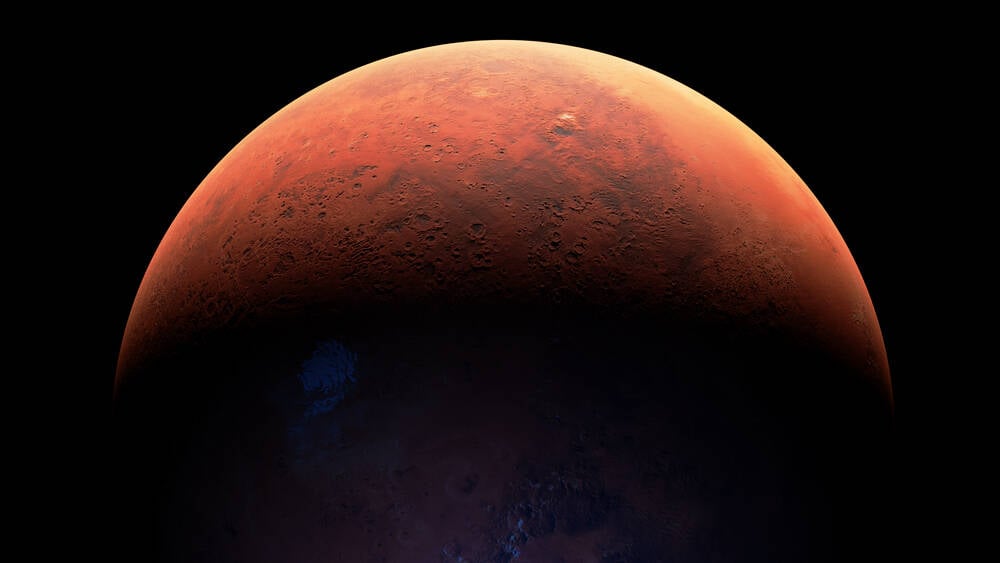
Scientists have detected possible evidence of lightning on Mars, with the phenomenon likely appearing as electrostatically charged dust sparks rather than dramatic bolts due to Mars's thin atmosphere and weak magnetic field.
fromwww.scientificamerican.com
2 months agoThe sun just unleashed its most powerful solar flare in years
The sun is putting on a show. On Sunday the star unleashed several strong and bright solar flares, including one of the most powerful eruptions seen in decades. Far from the steadily glowing orb we sometimes picture, the sun's surface is made up of roiling plasma thrown about by twisting magnetic fields. When these fields snap, they can throw out huge bursts of energy and charged particles into spacea solar flare.
Science
fromTheregister
1 month agoMoon's mighty magnetic field was a 5,000-year titanium blip
Our new study suggests that the Apollo samples are biased to extremely rare events that lasted a few thousand years - but up to now, these have been interpreted as representing 0.5 billion years of lunar history. It now seems that a sampling bias prevented us from realizing how short and rare these strong magnetism events were.
Science
fromwww.scientificamerican.com
2 months agoThe science behind why some auroras have such stunning wave patterns
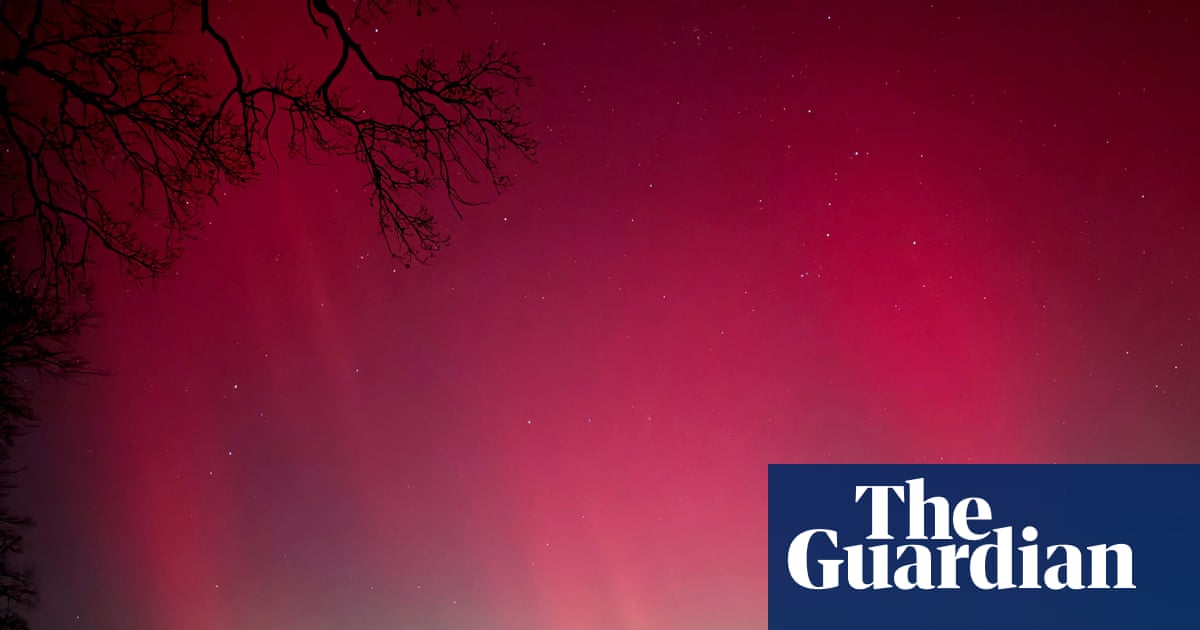
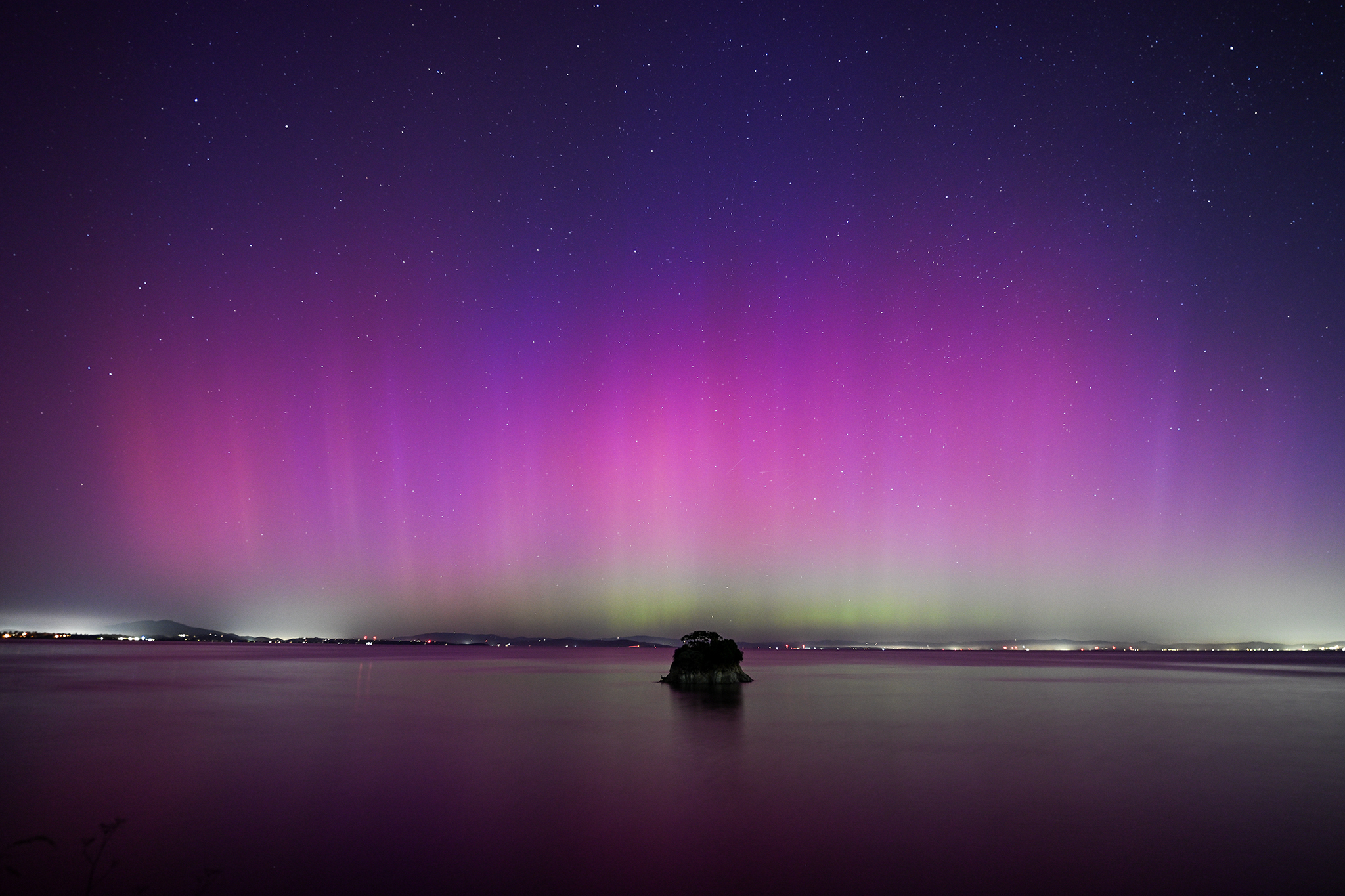
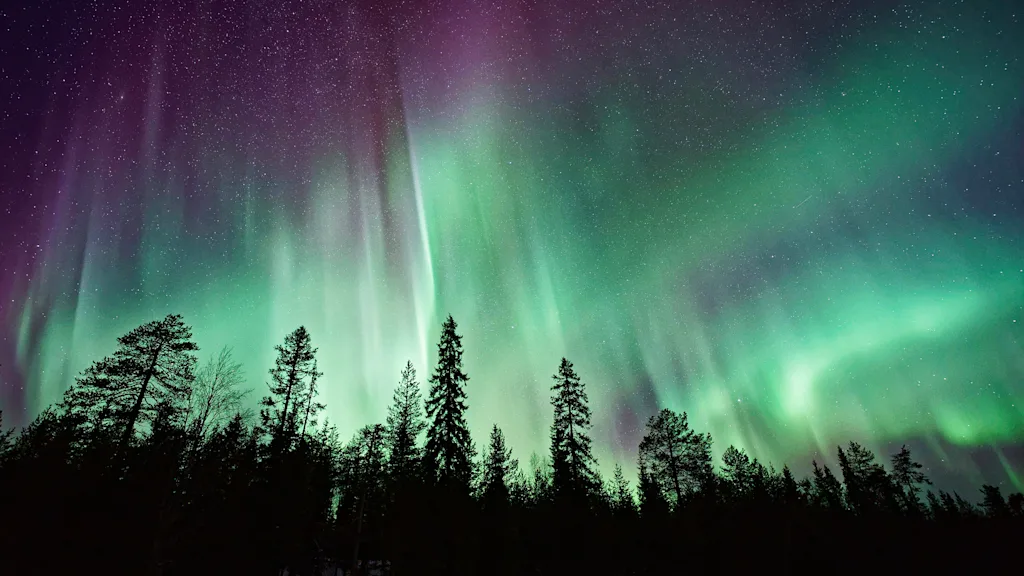
Auroras are nature's most special light show: when charged particles from the sun hit our atmosphere, they can generate bright colors that dance across the night sky near the Earth's poles. Auroras can come in various forms, including bands, rays, patches and more. But why auroras form these patterns is less clear. Now, researchers say they've identified the battery that powers at least one kind of auroraaurora arcs.
Science
fromFuturism
2 months agoStunning Footage Shows Space Station Drifting Through Aurora's Dazzling Lights
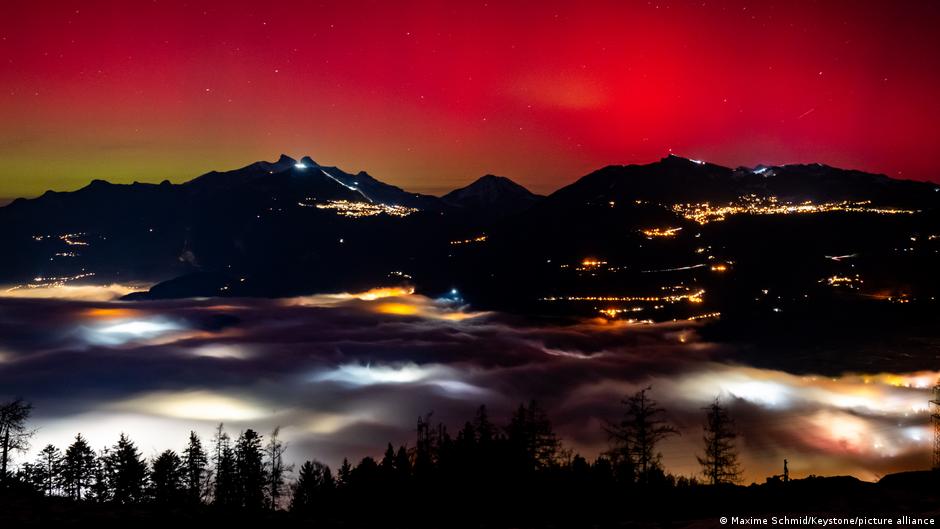
Earlier this week, the Sun unleashed a powerful X-class solar flare, a major burst of electromagnetically charged particles that lit up the Earth's night sky as they entered our planet's atmosphere. The effect was stunning: a dazzling display of auroras reaching as far as southern California. Forecasters that it was one of the largest solar storms in decades, making for a particularly unique opportunity to watch the show unfold.
Science
fromwww.scientificamerican.com
2 months agoWatch three solar prominences erupt in epic video
The sun's rhythmic rise and fall in the sky can make it easy to forget that our star is unpredictablea roiling, burbling mass of magnetically knotted plasma that governs the entire solar system. But a new video from the European Space Agency's (ESA's) Proba-3 mission that shows a string of fountainlike explosions on the sun offers a powerful reminder of our home star's active nature.
Science

fromWIRED
2 months agoTwo Titanic Structures Hidden Deep Within the Earth Have Altered the Magnetic Field for Millions of Years
A team of geologists has found for the first time evidence that two ancient, continent-sized, ultrahot structures hidden beneath the Earth have shaped the planet's magnetic field for the past 265 million years. These two masses, known as large low-shear-velocity provinces (LLSVPs), are part of the catalog of the planet's most enormous and enigmatic objects. Current estimates calculate that each one is comparable in size to the African continent, although they remain buried at a depth of 2,900 kilometers.
Science
[ Load more ]