#environmental-toxins
#environmental-toxins
[ follow ]
#public-health #autism #robert-f-kennedy-jr #reproductive-health #autism-research #cdc #health-policy #pronatalism
fromNature
2 months agoHealth effects linger 20 generations after rats are exposed to fungicide
Exposure to a fungicide induced changes to gene expression in rats that persisted for at least 20 generations. It also increased the chance of offspring developing kidney disease, obesity or experiencing complications when giving birth, according to the longest-running study of 'epigenetic' changes in mammals.
Science
fromMail Online
2 months agoUrgent warning to middle-aged MEN over toxic 'forever chemicals'
Midlife is a sensitive biological window where the body becomes more susceptible to age-related stressors, which may explain why this group responds more strongly to chemical exposure. We suspect that men may be at higher risk because the aging markers we analysed are heavily influenced by lifestyle factors such as smoking, which can compound the damaging effects of these pollutants.
Public health



fromTruthout
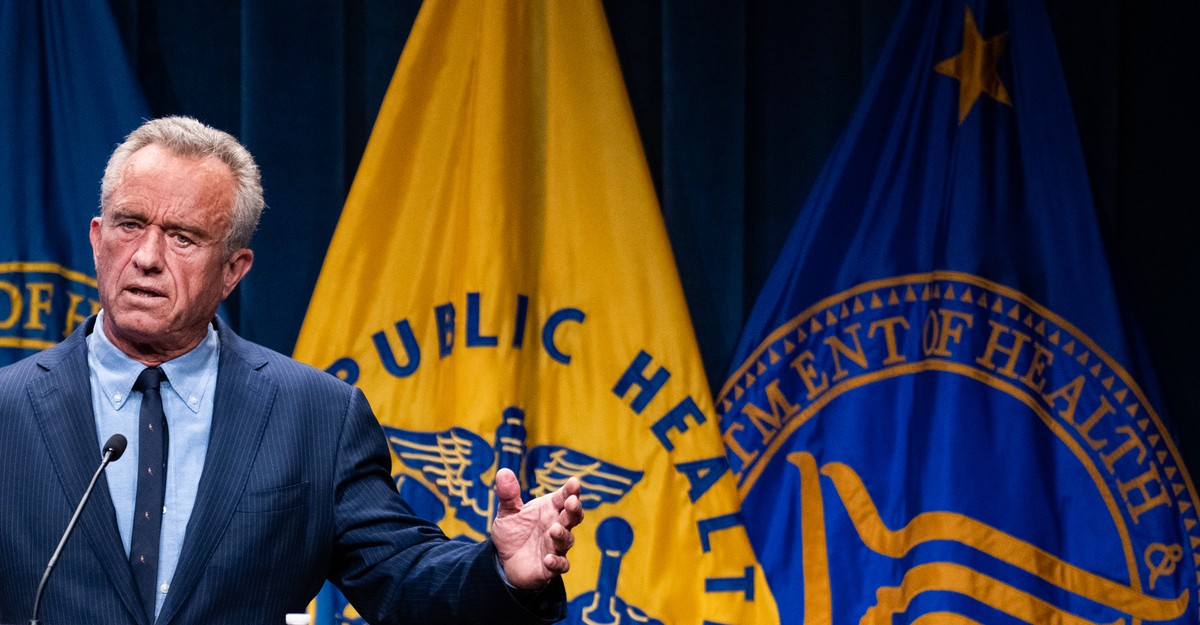
8 months agoRFK's Policies May Increase Risk of Parkinson's and Other Chronic Diseases
The anti-vaccine policies of Secretary of Health and Human Services Robert F. Kennedy have rightfully caused great distress among many parents, public health professionals and primary care physicians, given the efficacy of vaccines in preventing measles, mumps, polio, influenza, and COVID-19, among many debilitating infectious diseases. In contrast to these policies, Kennedy's apparent aim of reducing exposure to toxic pesticides, herbicides and food additives has been treated, even by some public health advocates, as a positive turn toward regulation.
Public health

[ Load more ]