#drugging
#drugging
[ follow ]
#public-health #addiction #matthew-perry #mental-health #jasveen-sangha #ketamine #synthetic-opioids #fentanyl
fromwww.theguardian.com
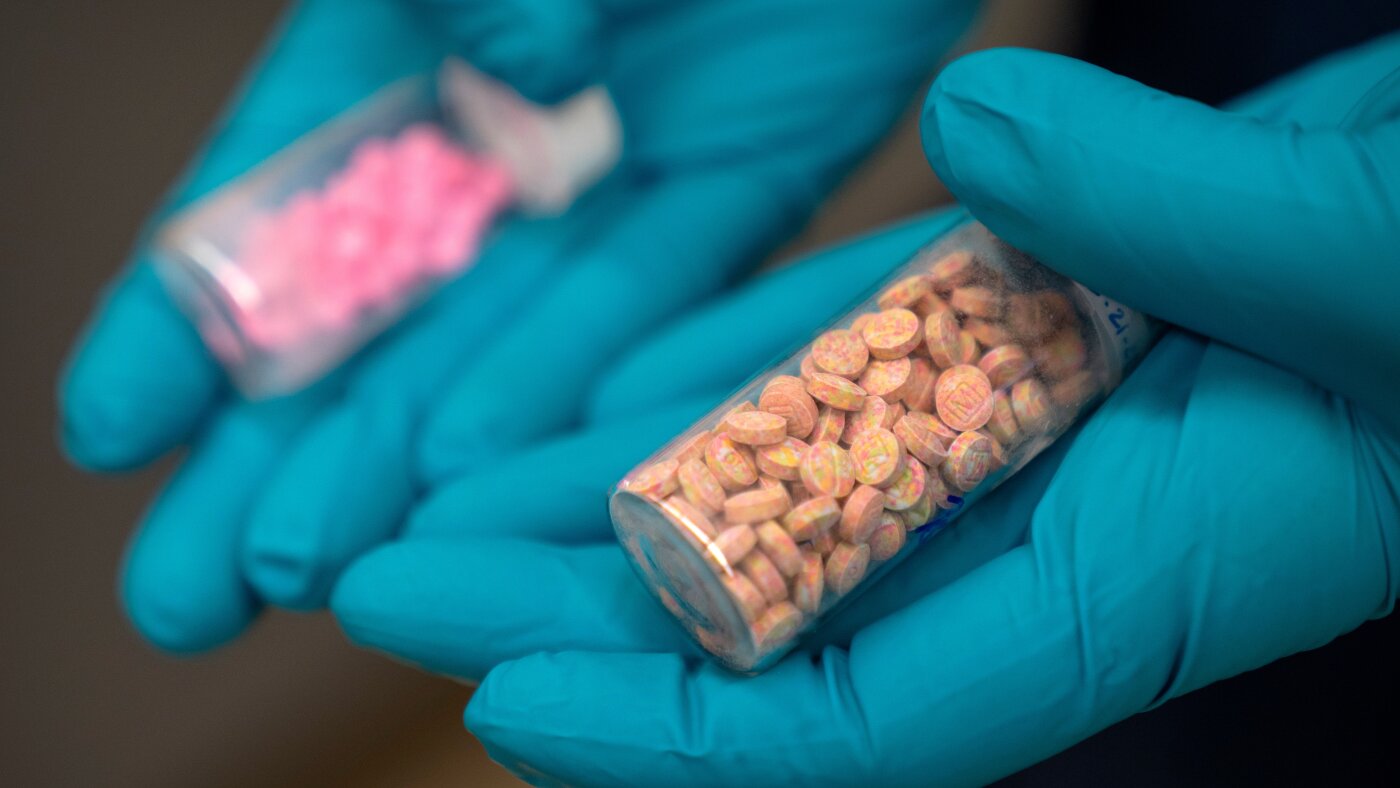
49 minutes agoI was peeing blood constantly': my ketamine hell and what made me stop
The reason people use drugs of any kind is because they want to escape, Delaney says. I had suicidal ideations from a very, very young age because I assumed that, if I was dead, maybe my mum and dad wouldn't be arguing.
Mental health









fromwww.theguardian.com
2 days agoI didn't want to be on medication the rest of my life': veteran runs psilocybin retreats for PTSD before FDA approval
"The PTSD, the depression, the hyper vigilance no longer affected me to the same degree... I thought psychedelics could help prevent more deaths."
Mental health
fromwww.theguardian.com
4 days agoGambling is easy, right? Wrong: it turns out betting on sport is designed to disturb you | Barney Ronay
Nearly everyone is losing money, a club executive is quoted as saying, presumably while dressed in a suit made entirely from gold leaf, bitcoin shavings and vintage parmesan cheese.
Poker



fromwww.theguardian.com
3 weeks agoCalifornia's new war on drugs': thousands arrested, few get treatment, data shows
Proposition 36, a state ballot measure, enacted harsher penalties for minor theft and drug offenses, with proponents pledging the crackdown would lead to mass treatment to keep people alive, out of jail, and off our streets. Case records, however, suggest the state is largely failing to meet the central goal of getting people help and instead conducting mass arrests and incarcerating more people with addiction.
California
fromLos Angeles Times
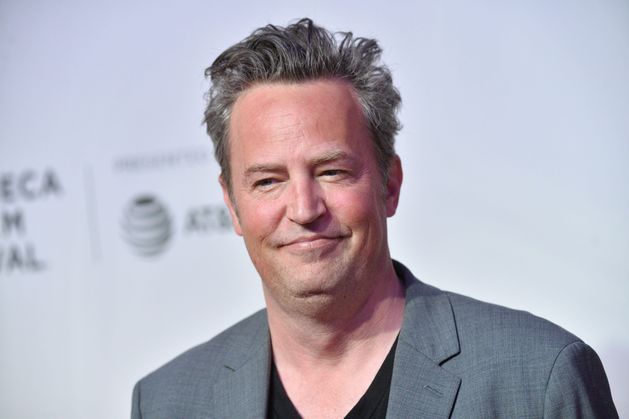
6 days ago'Ketamine queen' faces prison for selling drug that killed Matthew Perry
Jasveen Sangha pleaded guilty to one count of maintaining a drug-involved premises, three counts of distribution of ketamine, and one count of distribution of ketamine resulting in death or serious bodily injury.
SOMA, SF
Medicine
fromwww.npr.org
4 weeks agoSparse evidence for cannabis to treat mental health conditions highlights research gap
A comprehensive review of 45 years of cannabis research finds little to no high-quality evidence supporting marijuana's effectiveness for treating anxiety, depression, or PTSD, despite widespread medical use for these conditions.
Canada news
fromwww.cbc.ca
1 month agoOntario to end funding to multiple drug consumption sites, including 2 in Toronto, forcing them to close | CBC News
Ontario is ending funding for at least seven drug consumption sites across the province, including two in Toronto, with a 90-day notice period ending June 13, 2026.
fromBoston.com
1 month agoBoston City Council moves toward potential kratom ban
The status quo is not an option. We have to ban it here in Boston. Kratom refers to both a tree native to southeast Asia and products derived from its leaves. There is particular concern among officials and experts about 7-hydroxymitragynine, or 7-OH, a potent compound found in kratom. In recent years, products that contain synthetically enhanced amounts of 7-OH have proliferated in smoke shops and convenience stores around the country.
Boston
Social justice
fromPsychology Today
1 month agoWhat if Addiction Isn't the Problem?
Addiction's lack of clear definition undermines regulatory efforts against corporations; reframing addiction as a common human state rather than inherently harmful could better address actual harms and protect children from exploitative design.
Public health
fromwww.cbc.ca
4 weeks agoThere will be people who die': Advocates speak out as Niagara's only safe drug consumption site faces closure | CBC News
Ontario's closure of the Niagara Region's only safe drug consumption site will likely increase overdose deaths, blood-borne infections, and public substance use in the community.
#recreational-drugs-and-stroke-risk
Medicine
fromwww.theguardian.com
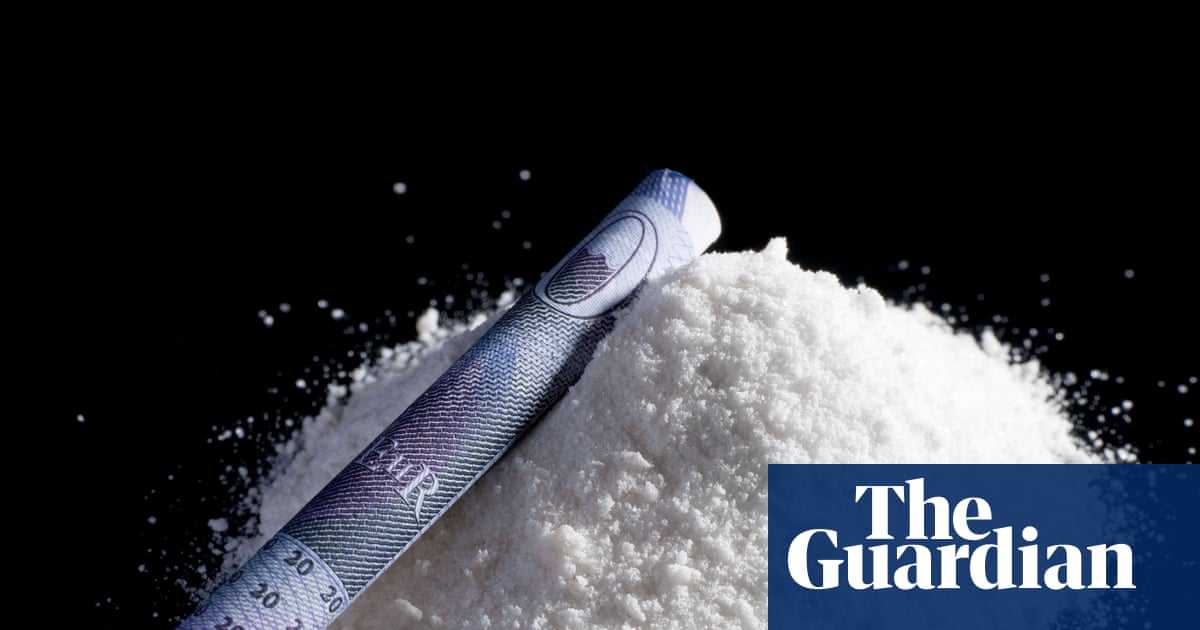
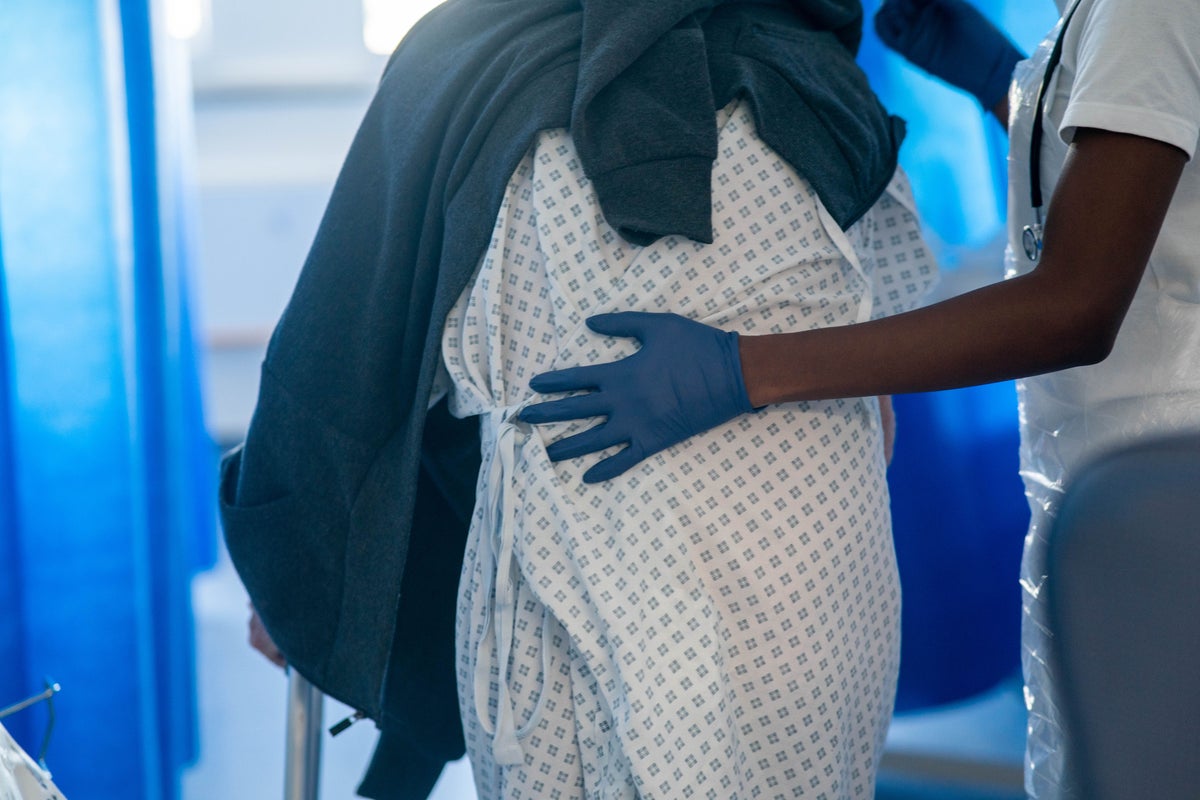
1 month agoRecreational drugs can more than double risk of stroke, study suggests
Amphetamine and cocaine use more than double stroke risk, with cannabis increasing risk by 37%, while opioids show no increased stroke risk according to analysis of over 100 million people.
Public health
fromwww.independent.co.uk
1 month agoRecreational drugs triple the risk of stroke in young people, study finds
Recreational drugs including cannabis, cocaine, and amphetamines significantly increase stroke risk in young people, with amphetamines potentially tripling risk in those under 55.
Medicine
fromwww.theguardian.com
1 month agoWeight loss drugs may stop people getting addicted to drugs and alcohol, study finds
GLP-1 receptor agonists reduce addiction risk to alcohol, tobacco, cannabis, cocaine, and opioids while decreasing overdose, hospitalization, and mortality rates in people with substance use disorders.
fromSlate Magazine
2 months agoEveryone Should Have One Vice That Doesn't Kill Them. But if These People Don't Shut Up About Theirs, I Might Turn Homicidal.
This is part of Wet February, a series about America's increasingly muddled relationship with drinking-and how to sip your way through it wisely and well. Alcohol is my only vice, and boy, it does not feel good to have my vice validated by the new food pyramid, which also suggests that steak is the foundation of a healthy diet. But I can't deny that a happy hour martini makes me feel as if I sparkle,
Cannabis
fromwww.npr.org
2 months agoFor those with addiction, going into and coming out of prison can be a minefield.
The Alaska Department of Corrections does not provide comprehensive access to this life saving medication. "I'm gonna give you a little pinch," Spencer said, sliding the needle into a fold of skin on the patient's belly for the subcutaneous injection. Alaska's not an outlier. Despite the fact that those recently released from incarceration are some of the most vulnerable to dying from drug overdose, addiction experts say that many jails and prisons around the country don't provide medication treatment.
Public health
fromPsychology Today
1 month agoWhy Addiction Treatment Keeps Failing
For decades, addiction treatment in the United States has relied on a familiar explanation when people relapse: recovery is hard, addiction is chronic and setbacks are part of the process. That narrative is often delivered with compassion, but it can obscure a more troubling reality. Many treatment failures are not personal shortcomings. They are predictable outcomes of how recovery is currently designed.
Mental health

Public health
fromwww.mediaite.com
2 months agoTime to Acknowledge Reality': The New York Times Warns America Has a Marijuana Problem'
Widespread marijuana legalization has increased frequent use, addiction, health harms, and public-safety problems requiring stricter regulation rather than full recriminalization.
[ Load more ]