#corporate-response
#corporate-response
[ follow ]

fromFortune
1 week agoWhat should business leaders say about Alex Pretti's death? | Fortune
One came in the form of an open letter from more than 60 Minnesota-based CEOs, released by the Minnesota Chamber of Commerce. The letter exemplifies a now-familiar pattern of corporate timidity and reticence: it takes no position, names no facts, and identifies no responsible actor. Instead, it relies on generic language about "de-escalation" and "finding real solutions," urging officials at all levels of government to work together in response to what it vaguely describes as "yesterday's tragic news."
US politics
fromFortune
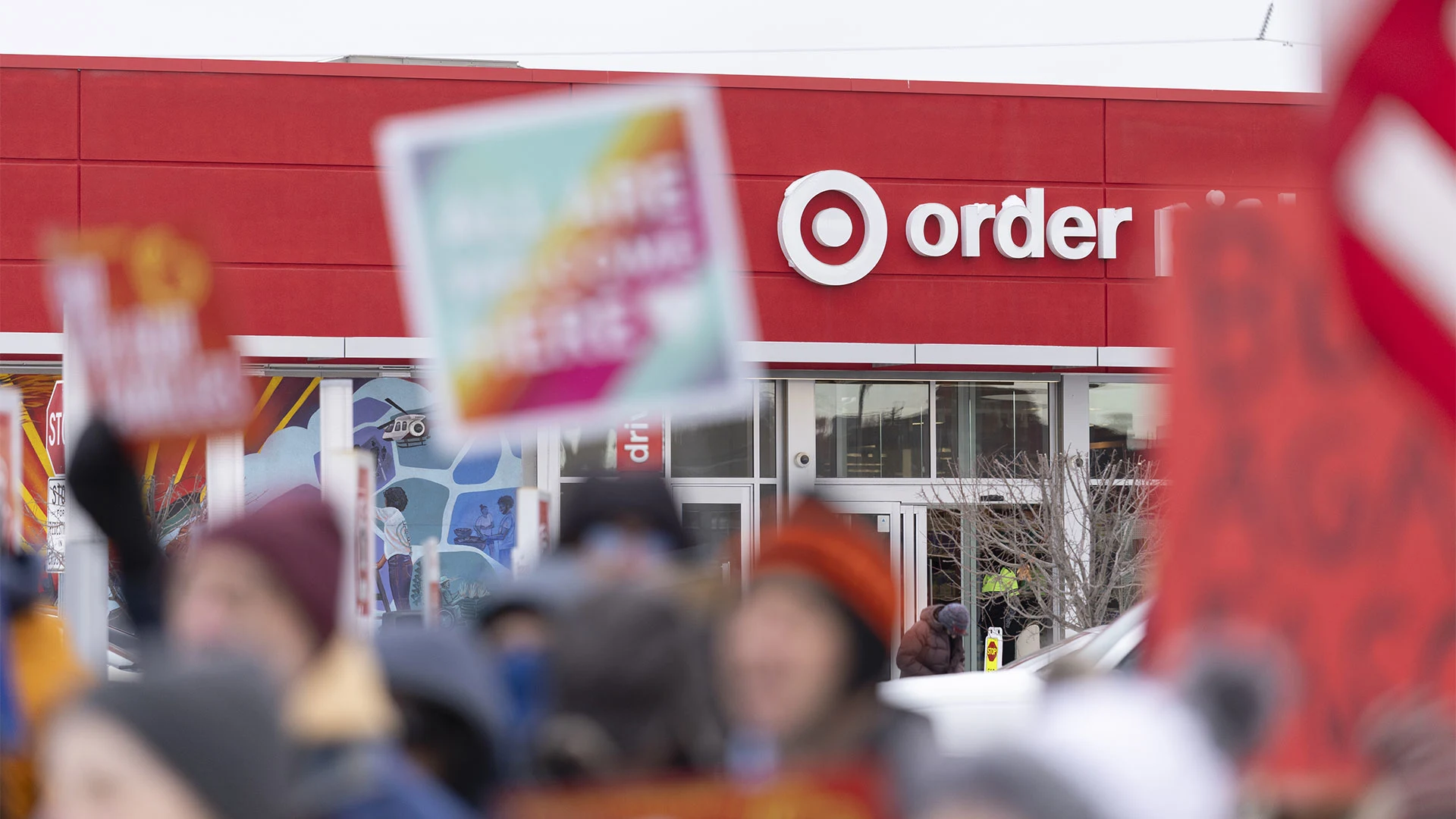
1 week agoDid Target's CEO miss the mark by ignoring Minnesota? | Fortune
Fiddelke, who officially took the reins of the struggling retailer on Sunday, laid out in a note on LinkedIn and on Target's website on Monday what his priorities are as he takes over. They include restoring Target's leadership in cheap-chic merchandise, making its stores and website easier and more pleasant to use, more fully leveraging tech to improve customer experience and operations, and "strengthening" employees and "growing alongside the communities" where Target runs its stores.
US politics
fromAxios
4 weeks agoWhat to know about the world's great climate collapse
There's no hand-waving about how 'We want to cooperate on climate,' " oil historian and S&P Global vice chairman Dan Yergin said in an interview. "It's, 'We're slamming the door on that issue.' " "We've gone from over-indexing it to zero-indexing it.
Environment
[ Load more ]