#book-discuss
#book-discuss
[ follow ]
#book-recommendations #literature #reading-habits #reading #science-fiction #literary-fiction #mystery
fromwww.nytimes.com
14 hours agoClassic and Contemporary Literature From France, Japan, India, the U.K. and Brazil
Classic France is a country of nuance with a love of conversation and freedom and an aversion to fanaticism. Contemporary Houellebecq describes France as a museum, where landscape turns into decor and where rural areas are emptying out.
Writing
fromwww.theguardian.com
3 weeks agoDaunting, inspiring, comforting, terrifying: the writers who can make silence as eloquent as words
A vision lay before him: Fleet Street blanketed with snow, silent, empty, pure white, and, at the end of it, the huge and majestic form of Saint Paul's Cathedral. It was a spellbinding moment: the great thoroughfare temporarily devoid of carts and carriages, the cathedral looming blurrily out of the still-falling snowflakes a real-life snow globe.
London
fromwww.theguardian.com
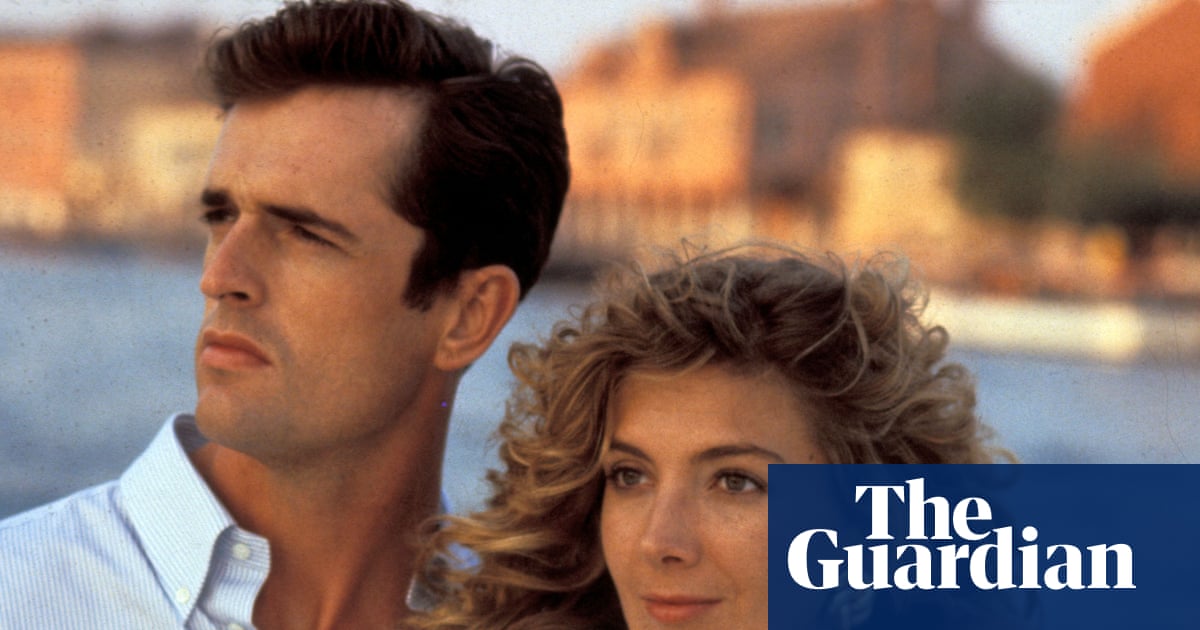
2 weeks agoSarah Hall: Everyone wangs on about Anna Karenina I've never been able to finish it'
My earliest independent reading memory is The Story of Ferdinand by Leaf and Lawson. I loved that bull! My favourite book growing up Big books gave me the whirlies so it took a while for them to start landing.
Books

Books
fromenglish.elpais.com
2 weeks agoFrankenstein, Jane Eyre and Snow White with a gender-based perspective: The Madwoman in the Attic' and the beginning of feminist literary criticism
The new edition of 'La loca del desvan' revives feminist literary criticism, highlighting the relevance of women's voices in literature today.
Writing
fromBig Think
1 month ago"If it sounds literary, it isn't": The deceptively simple rules behind good writing
Neal Allen and Anne Lamott co-authored Good Writing by combining Allen's 36 writing rules with Lamott's annotations, creating a collaborative guide where Allen explains rules and Lamott provides practical examples and alternative perspectives.
Roam Research
fromWIRED
1 month agoGrammarly Is Offering 'Expert' AI Reviews From Your Favorite Authors-Dead or Alive
Grammarly has expanded from a grammar checker to an AI writing platform offering multiple generative features, including an 'expert review' option that falsely attributes critiques to real academics and deceased authors without their permission or involvement.
Music
fromwww.npr.org
1 month agoWhy music has become such a big part of the romance novel reading experience
Romance novel readers increasingly use pop music playlists to enhance their reading experiences, creating a community that bridges book fandom and music fandom, exemplified by Charli XCX's Wuthering Heights album.
fromwww.theguardian.com
3 months agoThe best recent crime and thrillers review roundup
Obnoxious jewellery dealer Rodney Manderson has been killed outside the Bowery auction rooms, stabbed through the eye with the Victorian hatpin that his boss, Rose Bowery, has brandished in front of the nation on Bargain Hunt. As she discussed the pin's virtues as a deadly weapon as well as its millinerial uses, the fiercely loyal Rilke decides while feeling grateful to have skipped lunch and trying not to think of jelly to remove it before calling the police.
LGBT
fromHarvard Gazette
2 months agoMoved by what's missing in Homer's 'Harrow' - Harvard Gazette
At first sight, Winslow Homer's " The Brush Harrow," which depicts two young boys, a horse, and a harrow against an arid landscape, evokes a feeling of somber isolation - but it's hard to pinpoint why. During a talk by curator Horace D. Ballard at the Harvard Art Museums on Jan. 29, visitors learned that Homer painted the scene in 1865, as the Civil War was ending, making the emotional underpinnings of the work clearer.
Arts
Books
fromwww.theguardian.com
1 month agoBetter than Wuthering Heights? The Brontes' novels ranked!
Charlotte Brontë's debut novel The Professor was rejected nine times before publication, while her second novel Jane Eyre achieved immediate success, and Anne Brontë's Agnes Grey drew authentically from her governess experience.

fromPoynter
1 month agoWhat are your favorite nonfiction books by journalists? - Poynter
"Race Against Time: A Reporter Reopens the Unsolved Murder Cases of the Civil Rights Era" quickly became one of my favorite nonfiction books written by a journalist. I appreciated how he showed the grueling, day-to-day work local journalism requires, and how many layers of people fought him in revealing the despicable work of the Ku Klux Klan.
Books
Books
fromwww.theguardian.com
1 month agoSaba Sams: I've no interest in reading Wuthering Heights again'
Jacqueline Wilson's unflinching approach to children's literature, alongside works by authors like Gwendoline Riley and Clarice Lispector, demonstrates that literary courage and emotional complexity resonate more powerfully than conventional safety or virtuousness.
fromThe Atlantic
1 month agoPushing the Limits of Historical Fiction
Enrigue's 'penchant for shooting the facts of history through the prism of the absurd' makes him singular-but it also puts him firmly in a long literary tradition. The book 'distills a byzantine swirl of historical events through the lives of a handful of very colorful characters,' intertwining several real and invented incidents with major moments in the Apache Wars, a series of skirmishes involving Native Americans, the U.S., and Mexico across the Southwest borderlands.
Books

fromThe New Yorker
1 month agoBriefly Noted Book Reviews
Dilara, the protagonist of this début novel, is consumed by the absence of a stable home in her life. She and her family flee Turkey, where she is from, after a failed coup in 2016. When they end up in Italy, something inexplicable happens: Dilara's bathroom transforms into a cell in an infamous prison on the outskirts of Istanbul.
Books
Books
fromThe Atlantic
1 month agoWhen Did Literature Get Less Dirty?
Philip Roth's Zuckerman Unbound functioned as a response to the controversial reception of Portnoy's Complaint, with Roth's protagonist expressing regret over writing sexually explicit material that drew accusations of anti-Semitism and misogyny.
fromwww.npr.org
2 months agoA wintry mix: 12 reading recommendations to get you through the storm
If you're hunkering down ahead of the big winter storm this weekend, we want to make sure you're well prepared. Yes, with batteries, flashlights, toilet paper, and food but perhaps most importantly with good reading material. We looked back through some recent interviews and Books We Love, our annual year-end reading guide, to find snowy suggestions to get you through the storm.
Books
fromwww.theguardian.com
2 months agoThe best recent science fiction, fantasy and horror review roundup
Subsequently, runaway children turned the valley into a fortress, surviving on food they could catch or grow, with occasional forays into the towns below. Riley has heard the rumours, but it is only when she sees a green-clad boy or is it a girl? hovering outside her bedroom window offering directions on how to find Nowhere that she realises this might be her chance to escape and save her little brother from their sadistic guardian.
Books
fromBustle
2 months agoThe 10 Best New Books Of February
Punxsutawney Phil has emerged from his cozy underground burrow and spoken: There are still six more weeks of winter ahead to endure. February may bear the unfortunate distinction of being the shortest month of the year, but it has no shortage of new releases hot off the presses. With winter still roaring in full force, this is the perfect time to catch up on the reading you swore you'd do as a New Year's resolution.
Books
Books
fromwww.theguardian.com
2 months agoWhat we're reading: George Saunders, Erin Somers and Guardian readers on the books they enjoyed in January
Re-reading classics and contemporary novels reveals diverse literary powers: playful zaniness, dense language, sweeping ambition, humane realism, and restorative small-scale storytelling.
Books
fromwww.theguardian.com
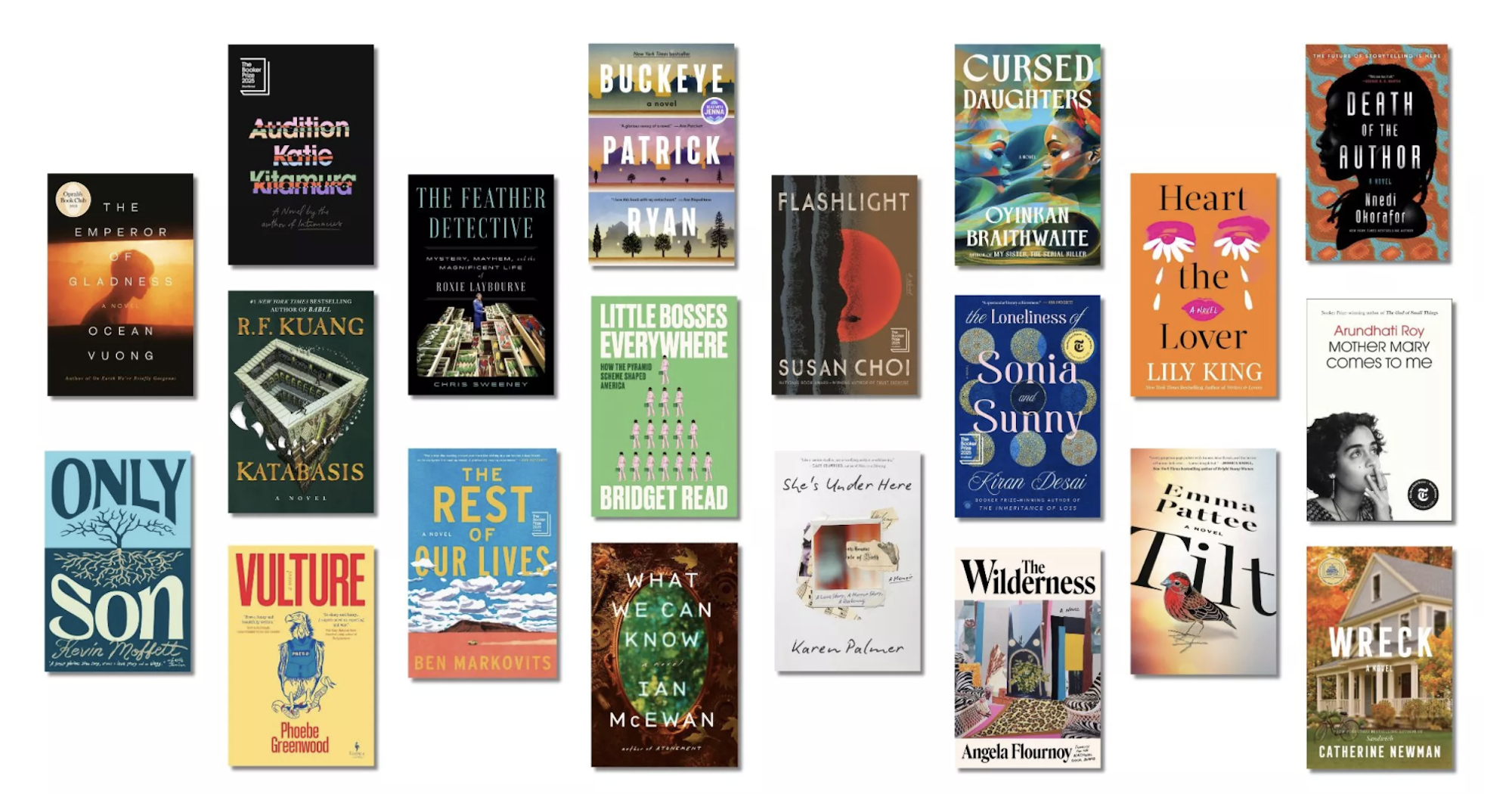
1 month agoBen Markovits: I used to think any book concerned with people falling in love can't be very good'
Reading shaped formative years through detective stories, fantasy epics, and memoirs that provided companionship and escape during frequent moves and family transitions.
fromThe New Yorker
2 months agoReading for the New Year: Part Four
We meet him as a Gumby-like figure, asleep on a dirt floor, with only a jug of water and a toy horse. He has no idea how he got there. When he's around seventeen years old, Kaspar meets his captor, rendered in the book as a shadowy, hatch-marked father: "The Man in Black." The man teaches him to write his name; he teaches him to take a few fumbling goose steps outside.
Books
fromInsideHook
2 months agoThe 10 Books You Should Be Reading This February
What does it mean to dig into the past, to uncover obscure facts about bygone decades or centuries and bring them to light in 2026? There's a lot of that in this rundown of February books, everything from a clear-eyed look at someone who history has depicted as a monster to investigations into the past situated a little closer to home.
Books
fromThe Atlantic
2 months agoThe Writer's Magic Trick
A writer is a kind of magician. Their job is to create living, three-dimensional people out of the ordinary stuff of ink and paper. This is no easy task, because readers can't literally hear, touch, or observe a character. Everything that defines a human being in real life-the physical space they occupy, or how they smell, feel, and sound-is stripped away, replaced by description. But authors have one major, mystical advantage: They can show you what's happening inside of someone's brain.
Books
fromwww.theguardian.com
1 month agoThe National Year of Reading celebrates the joy' of books. But let's not forget they can also be deeply troubling, too | Charlotte Higgins
Research has linked reading for pleasure in childhood to a host of positive educational and socioeconomic outcomes. But now 14 years after the Department for Education, in a more innocent time, commissioned a chunky report on the matter—reading books for pleasure is an activity in crisis. The culprit usually blamed for this falling-off is the smartphone and its many short-term distractions; the mere presence of a smartphone in the room, recent research suggests, has an impact on our ability to concentrate.
Books
[ Load more ]