Science
fromNature
12 hours agoBrain organoids are a transformative technology - but they need regulation
Organoids offer significant benefits for research and medicine, necessitating the establishment of ethical boundaries for their use.
Rapid engagement and marriage can sometimes mask underlying issues that may only surface later, especially when couples have not lived together prior to tying the knot.
The probability that frozen tissue will benefit the person who froze it is remote. The chance of developing acute lymphoblastic leukemia, the most common childhood cancer, currently stands at one in 20,000.
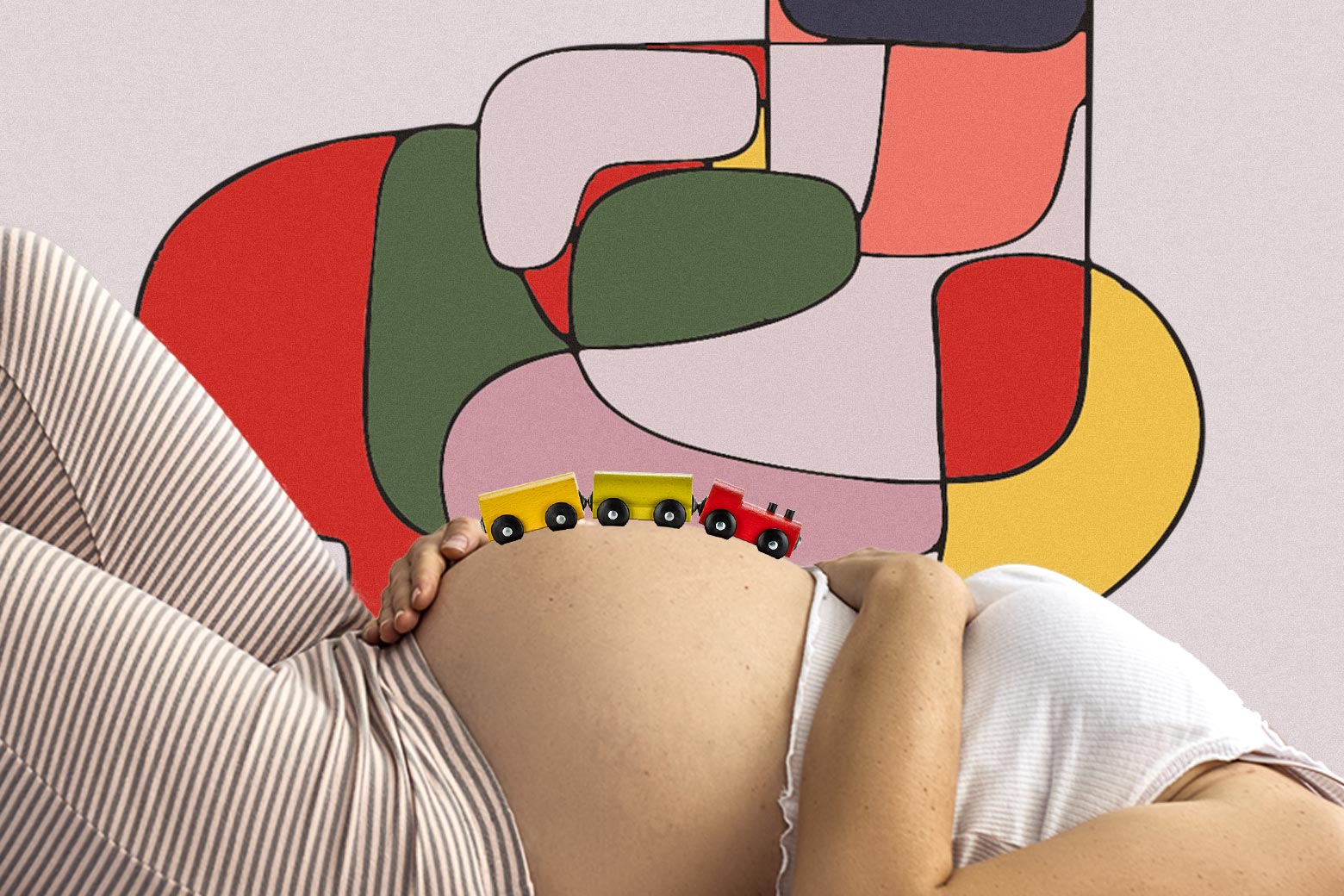
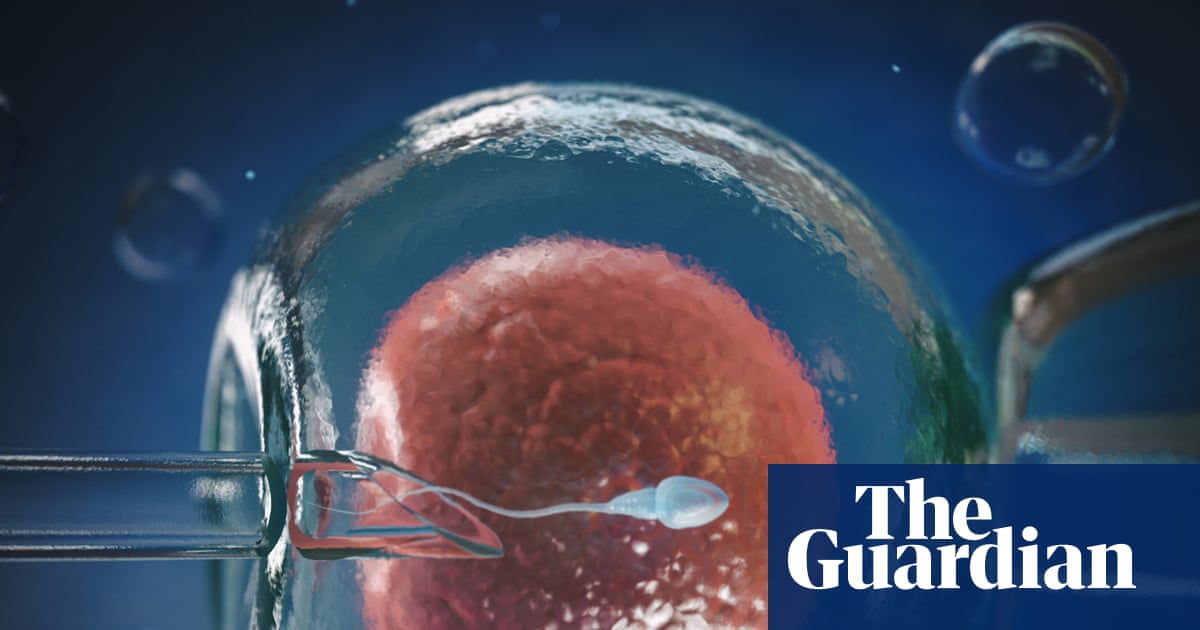
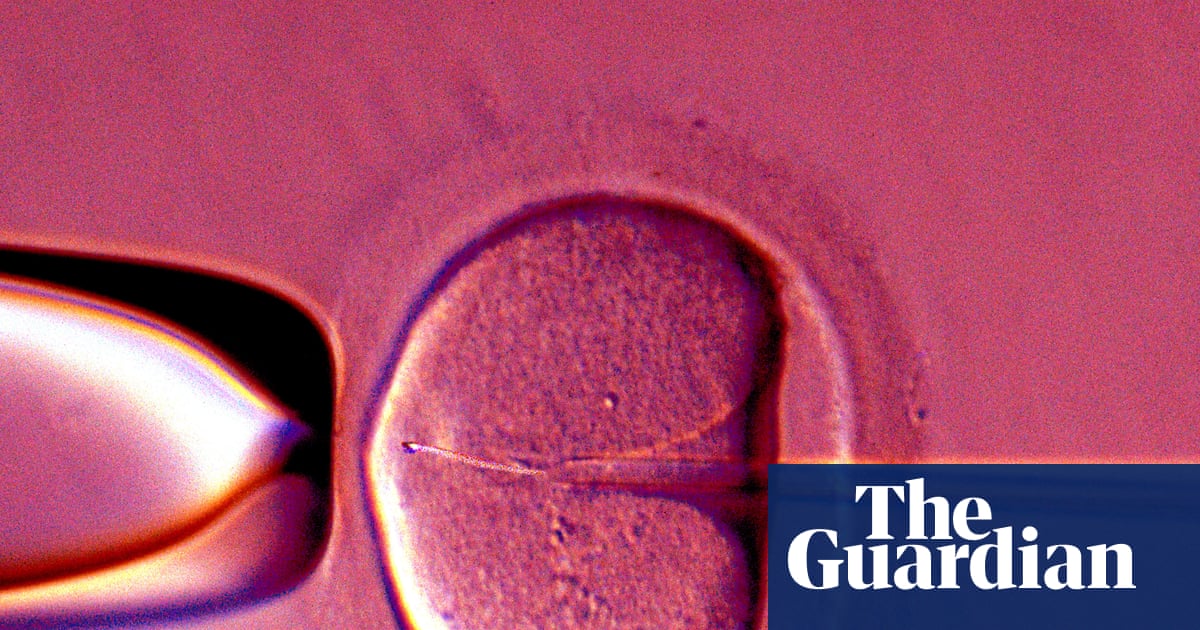
Since the first IVF baby was born in 1978, technological advancement of reproductive medicine has enabled millions to have children, marking a significant milestone in medical history.
It was another detail that the rest of the family apparently knew but had never told me; they thought I already knew. The biology mattered less to me than the secret. Dad had been adopted, it turned out. A classic affliction of the 1950s, in which young, unmarried couples were forced to give away their newborn babies.
I've wanted to pursue sterilization since I learned that that was something that a person could do. I've tried a lot of different options for birth control, none of them have worked for me. She added that she never wanted kids, has a history of assault, and is worried about living in a state with one of the strictest abortion bans in the country.
It feels frightening, but the little eggs I do have left are good quality, so it's not over. When I was in my teens and early twenties I just thought I was getting urinary and kidney infections all the time. I just thought I was one of those unlucky girls. The pain just never went.
Since I was young, I've never wanted kids, and I've wanted to pursue sterilization since I learned that that was something that a person could do. I've tried a lot of different options for birth control. None of them have worked for me.
Last November, the UK government announced a bold plan to phase out animal testing in some areas of research. Animal tests for skin irritation are scheduled for elimination this year, and some studies on dogs should be slashed by 2030. The long-term vision is 'a world where the use of animals in science is eliminated in all but exceptional circumstances'.
The new law, Senate Bill 729, dictates that large insurance groups (defined as 101 or more employees) must expand their services to cover infertility treatments and diagnoses. In addition, according to the bill's text, large health insurance groups also must be able to cover "a maximum of 3 completed oocyte retrievals." Keep in mind that some of these services are for "medically necessary" cases of infertility - like egg freezing before cancer treatment.
Less than a year ago, United States company Colossal Biosciences announced it had "resurrected" the dire wolf, a megafauna-hunting wolf species that had been extinct for 10,000 years. Within two days of Colossal's announcement, the Interior Secretary of the US, Doug Burgum, used the idea of resurrection to justify weakening environmental protection laws: "pick your favourite species and call up Colossal". His reasoning appeared to confirm critics' fears about de-extinction technology. If we can bring any species back, why protect them to begin with?
Biology is undergoing a transformation. After centuries of studying life as it evolves naturally, researchers are now using a combination of computation and genome engineering to intervene, generating new proteins and even whole bacteria from scratch. The use of artificial-intelligence tools to design biological components, an approach known as generative biology, is set to turbocharge this area of research. Just last year, scientists used AI-assisted design to produce artificial genes that can be expressed in mammalian cells.
Over my decades of practice, seeing thousands of people who use donor conception to have their children, I have seen a steady increase in people who want to either co‑parent or who plan to use the sperm or eggs of someone they know and plan to call that person "mom" or "dad." While I have seen many of these beautiful arrangements work out well, many have not.
Martschenko's argument is largely that genetic research and data have almost always been used thus far as a justification to further entrench extant social inequalities. But we know the solutions to many of the injustices in our world-trying to lift people out of poverty, for example-and we certainly don't need more genetic research to implement them. Trejo's point is largely that more information is generally better than less.
A trial in the US found that applying stem cells from the mother's placenta to her baby's spine while it was being repaired was safe and improved the child's mobility and quality of life. Dr Diana Farmer, who led the study, said it was conceivable that the experimental therapy could become the usual way that spina bifida is treated before babies are born.
While we are profoundly grateful to have Shea in our lives and love her immeasurably, we also recognize that we have a moral obligation to find her genetic parents, she wrote. Our joy over her birth is further complicated by the devastating reality that her genetic parents whom we do not yet know or possibly another family entirely, may have received our genetic embryo. We are heartbroken, devastated, and confused.
'Stem cell-based' treatments and just the latest aesthetic treatment marketed to those seeking to maintain or obtain youthful skin, but what exactly is involved and what's the evidence that they work It's hard to keep track of the number of scientifically based beauty treatments on offer these days. Most are aimed at middle-aged females with disposable incomes, who are willing to splash large amounts of money on their skin to counter the effects of time.