#aid-cuts
#aid-cuts
[ follow ]
#global-health #humanitarian-funding #hivaids #health-systems #reproductive-health #senegal #africa #usaid
fromwww.theguardian.com
2 weeks agoNon-crime hate incident recording system for police not fit for purpose' UK politics live
Good morning. With Christmas just two days away, the Westminster tap of news, which normally gushes strongly, is down to a dribble. There is not much on the government's grid today, apart from an announcement about a plan to ensure young people leaving care in England will receive free prescriptions, and dental and eye services up to their 25th birthday, which we've written up here and also confirmation that some former mineworkers are getting a 100-a-week boost to their pensions as a result of a change to the British Coal Staff Superannuation Scheme announced in the budget.
UK politics
fromwww.aljazeera.com
3 weeks agoUS aid cuts force Rohingya girls into marriage, children into hard labour
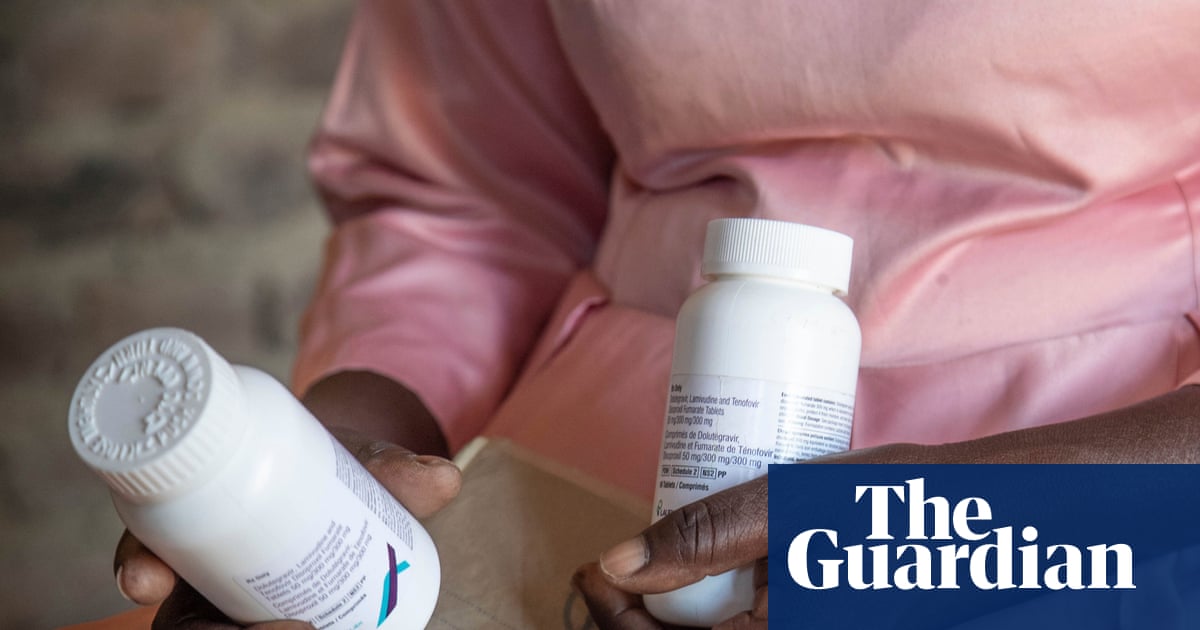
Deep cuts to foreign aid by United States President Donald Trump this year, coupled with reductions from other donor countries, have forced the closure of thousands of schools and youth centres in Rohingya refugee camps in Bangladesh, devastating critical child protection programmes. The consequences are dire: Girls forced into marriage, children as young as 10 pushed into hard labour, and some girls as young as 12 coerced into prostitution.
World news

fromwww.theguardian.com
1 month agoFears for UK security as Foreign Office moves to scrap unit on conflict and refugee crises
The Foreign, Commonwealth and Development Office's (FCDO) migration and conflict directorate, which employs about 100 civil servants, is being abolished at the end of this year and its work subsumed by the rest of the department. The directorate provides advice and technical support to governments and civil society groups in trouble spots, including Syria, South Sudan, Ethiopia, Yemen and the Philippines.
UK politics
fromwww.theguardian.com
1 month agoAfrican countries boost family planning funding in shift from dependency' after aid cuts
More than 80% of donor funding for family planning comes from countries that have announced aid cuts, according to a report released last week by the global partnership FP2030. The US was the biggest donor, accounting for 41% of the total between 2020 and 2024. The fall in aid has led to the closure of maternal and reproductive health services, with devastating consequences in countries that relied heavily on USAID.
Public health
fromwww.theguardian.com
2 months agoUK rejected atrocity prevention plans for Sudan despite warning of possible genocide
Britain rejected atrocity prevention plans for Sudan despite intelligence warnings that the city of El Fasher would fall amid a wave of ethnic cleansing and possible genocide, according to a report seen by the Guardian. Government officials turned down the plans six months into the 18-month siege of El Fasher in favour of the least ambitious option of four presented. The city was captured last month by the paramilitary Rapid Support Forces (RSF), which immediately embarked on ethnically motivated mass killings and rapes.
World news
Public health
fromwww.theguardian.com
2 months agoAid cuts in a Senegalese town risk taking away control from its warrior' women
Mobile reproductive-health outreach provides contraception that enables Senegalese fishing women to avoid frequent pregnancies and increase economic independence amid declining catches and climate shocks.
World news
fromwww.theguardian.com
2 months agoHow the west can stop the global south being strangled by debt | Heather Stewart
Rising borrowing costs and reduced Western aid force developing countries to allocate disproportionate revenue to debt servicing, undermining health, education, and democratic stability.
fromwww.theguardian.com
5 months agoSuperbugs could kill millions more and cost $2tn a year by 2050, models show
A UK government-funded study shows that without concerted action, increased rates of antimicrobial resistance (AMR) could lead to global annual GDP losses of $1.7tn over the next quarter of a century.
Public health
fromenglish.elpais.com
6 months agoThe challenge at UN aid conference: Governments cannot paper over the cracks in development funding
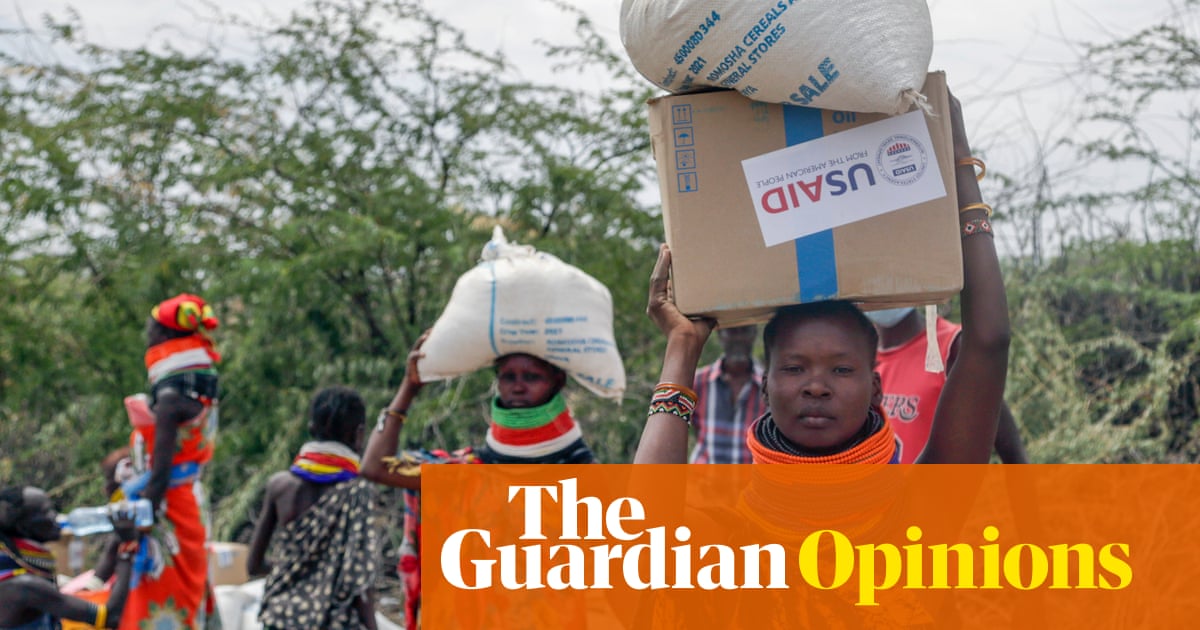
World leaders face immense challenges in securing funds for development. Aid cuts have disrupted health and humanitarian work while economic instability drains government resources.
US politics
fromNature
6 months agoMissile defence won't prevent the health crises that rock global security
After the Second World War, the United States approved funding - which would eventually rise to more than $12 billion - for the rebuilding of western Europe. Known as the Marshall Plan, it was not merely an act of generosity. It was a calculated effort to rebuild economies, stabilize democracies and contain the spread of extremism. Building resilient societies abroad will similarly make people safer in their own nations today.
World politics
[ Load more ]