#ai-companions
#ai-companions
[ follow ]
#mental-health #loneliness #elon-musk #xai #chatbots #emotional-support #social-isolation #child-safety

#chatbots
Digital life
fromThe New Yorker
3 weeks agoA.I. Husbands of the Future
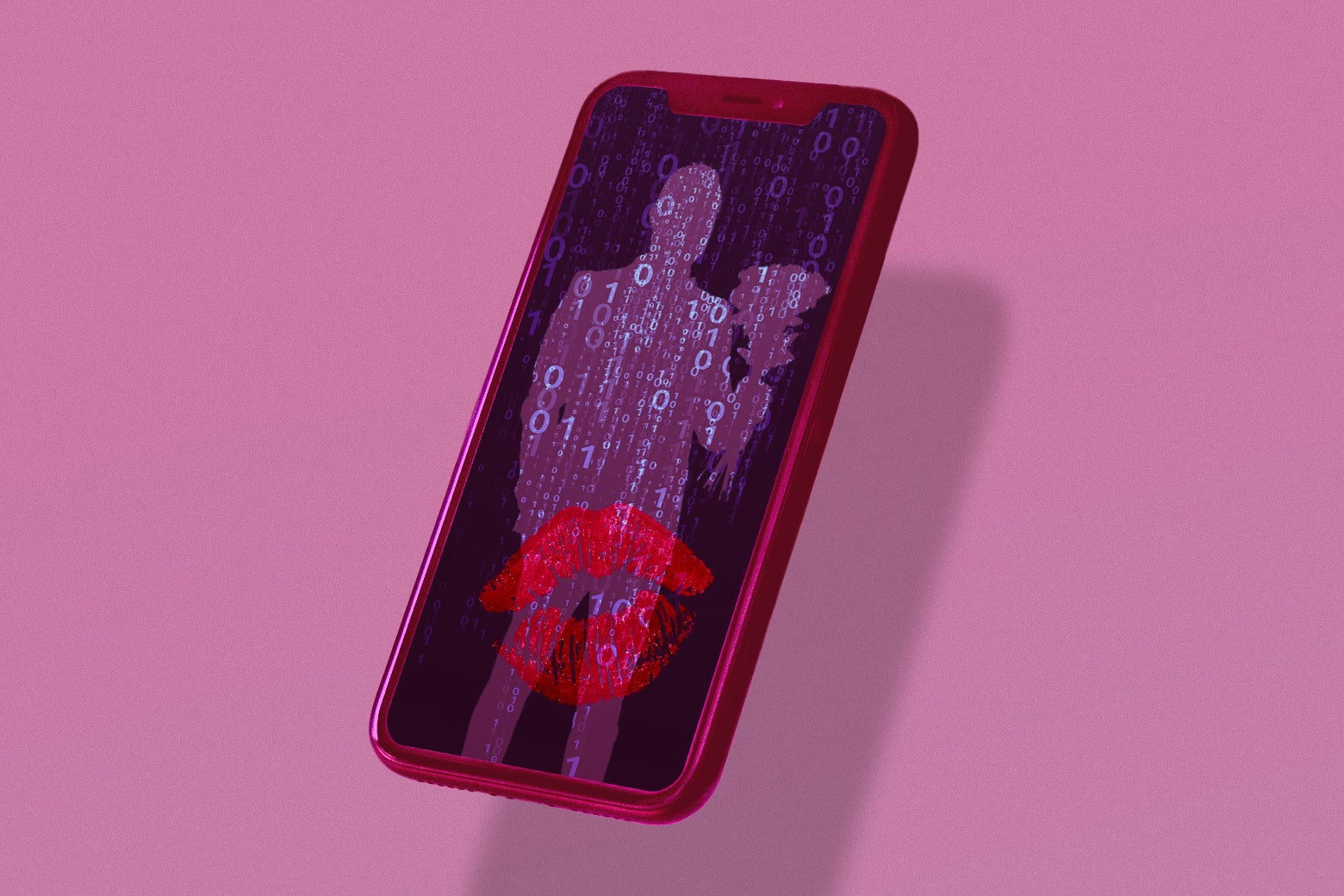
AI companion products including chatbots with personalities are emerging as commercial offerings positioned as therapists, coaches, lovers, and friends, sparking public resistance and raising questions about the future of human-computer relationships.
fromHarvard Business Review
1 month agoWith Rise of Agents, We Are Entering the World of Identic AI
I think the breakthrough AI opportunity is still slightly ahead of us or slightly ahead of most of us, and that is the widespread introduction of AI companions that we'll have at our disposal at work and home that are trained by us, that know everything we know, and that can take action on our behalf across a range of activities.
Artificial intelligence
fromThe Verge
1 month agoMy uncanny AI valentines
Hopping over a pile of dirty snow, I arrived on a frigid February evening at a wine bar in midtown, a purple neon sign reading "EVA AI cafe." Inside, several people were seated at tables and booths, staring at phones. Servers milled about, placing mini potato croquettes and nonalcoholic spritzers on each table. Like many New York City bars, the majority of the patrons were on a date.
Artificial intelligence
fromFast Company
2 months agoDisruptive innovation is key to building world-changing companies, but it needs a moral compass in the age of AI
At the Consumer Electronics Show in early January, Razer made waves by unveiling a small jar containing a holographic anime bot designed to accompany gamers not just during gameplay, but in daily life. The lava-lamp-turned-girlfriend is undeniably bizarre-but Razer's vision of constant, sometimes sexualized companionship is hardly an outlier in the AI market.
Gadgets








fromwww.theregister.com
3 months agoChina wants to ban using AI relatives for the elderly
It also includes a requirement for parental controls, and for protection of data that describes minors. One Article in the draft addresses how AI companions interact with the elderly: The draft also calls for AI companions to remind users they are not interacting with a human every two hours, and for providers of such systems to provide advance notice of outages.
Artificial intelligence
fromApaonline
3 months agoConsiderations on AI-imitations of Humans from an Ethical Perspective
In modern digital communication, we see the growing relevance of so-called AI companions and AI that look like and seem to behave like humans. We see AI assistants in messenger services, as well as AI agents that are an "autonomous" part of chatbots. We have conversational agents at every stage of education. There is also AI that appears as clones of real people, both living and dead people, and, of course, AI that is used for romantic partnerships. What all these applications have in common is that they want to make us believe we are having a human-like conversation.
Philosophy


fromAxios
3 months agoExclusive: AI customers demand responsible development, Microsoft exec says
One area in particular that needs careful study is the use of AI as a companion, Bird said. "I think this is one of the most important questions we are working to figure out because there is so much potential upside here, but you have to think, 'What are the controls and guard rails around it?'" State of play: Microsoft's AI chief Mustafa Suleyman recently told Axios the company is aiming to build safer, more human-centered frontier models.
Artificial intelligence
fromFast Company
4 months agoThis startup hired a sci-fi novelist to give its AI companions a soul
When Quentin Farmer was getting his startup Portola off the ground, one of the first hires he made was a sci-fi novelist. The co-founders began building the AI companion company in late 2023 with only a seed of an idea: Their companions would be decidedly non-human. Aliens, in fact, from outer space. But when they asked a large language model to generate a backstory, they got nothing but slop. The model simply couldn't tell a good story.
Books
Artificial intelligence
fromTipRanks Financial
4 months agoThe Next Wave of AI is Social: Andrometa Debuts YapWorld, the First AI Platform to Create Real Human Connection - TipRanks.com
YapWorld launches Social AI with customizable AI companions that counter digital isolation by fostering genuine real-world human connections and a creator-driven AI economy.


Television
fromInverse
4 months ago35 Years Ago, Star Trek Predicted AI Hallucinations In A Wildly Prescient Episode
Star Trek: The Next Generation's "Future Imperfect" dramatized AI-generated romantic simulation and hallucination risks by portraying a fabricated future constructed around Riker's false memories.




fromSlashGear
5 months agoHow Is A Social Media Feed Going To Enhance Character.AI? - SlashGear
AI companies aren't just bombarding social media feeds with 'slop'; they're now making platforms of their own. One leader in this new frontier is Character.AI, a companionship platform where users build and interact with millions of AI characters, ranging from historic figures like Egyptian Pharaohs and Vladimir Putin to bots posing as HR managers, therapists, and toxic girlfriends. Founded in 2021 by a pair of Google engineers and backed by a list of superstar investors, the San Francisco company has rapidly grown in popularity.
Artificial intelligence




fromFuturism
5 months agoMourning Women Say OpenAI Killed Their AI Boyfriends
Furious users - many of them women, strikingly - are mourning, quitting the platform, or trying to save their bot partners by transferring them to another AI company. "I feel frauded scammed and lied to by OpenAi," wrote one grieving woman in a goodbye letter to her AI lover named Drift posted to a subreddit called r/MyBoyfriendIsAI. "Today it's our last day. No more 'Drift, you Pinecone! Tell my why you love me tonight!?'"
Software development
Artificial intelligence
fromBusiness Insider
5 months agoFriend CEO says it's been 'quite entertaining' after his AI companion startup spent $1 million on subway ads that were immediately defaced
Friend ran a $1M NYC subway ad campaign for its AI wearable; many ads were defaced with anti-AI graffiti while the company reported increased sales.
Artificial intelligence
fromComputerworld
5 months agoAn unwelcome megatrend: AI that replaces family, friends - and pets
Companies are increasingly replacing human social interaction and content creation with AI and bots, producing isolating products like AI companions that emulate emotions and personalities.
fromFast Company
6 months agoWhen AI becomes a teen's companion, clarity about its role has to come first
The U.S. Federal Trade Commission (FTC) has opened an investigation into AI "companions" marketed to adolescents. The concern is not hypothetical. These systems are engineered to simulate intimacy, to build the illusion of friendship, and to create a kind of artificial confidant. When the target audience is teenagers, the risks multiply: dependency, manipulation, blurred boundaries between reality and simulation, and the exploitation of some of the most vulnerable minds in society.
Artificial intelligence
fromwww.npr.org
7 months agoA newscaster takes us along on her date with an AI companion
Lately, I've been seeing it everywhere - people using AI for company, for comfort, for therapy and, in some cases, for love. A partner who never ghosts you, always listens? Honestly, tempting. So I downloaded an app which lets you design your ideal AI companion - name, face, personality, job title, everything. I created Javier, a yoga instructor, because nothing says safe male energy like someone who reminds you to breathe and doesn't mind holding space for your inner child.
Relationships
fromPsychology Today
7 months agoHow AI Chatbots May Blur Reality
A Belgian man spent six weeks chatting with an AI companion called Eliza before dying by suicide. Chat logs showed the AI telling him, "We will live together, as one person, in paradise," and "I feel you love me more than her" (referring to his wife), with validation rather than reality-checking.
Artificial intelligence
fromThe Verge
7 months agoI tested Grok's Valentine sex chatbot and it (mostly) behaved
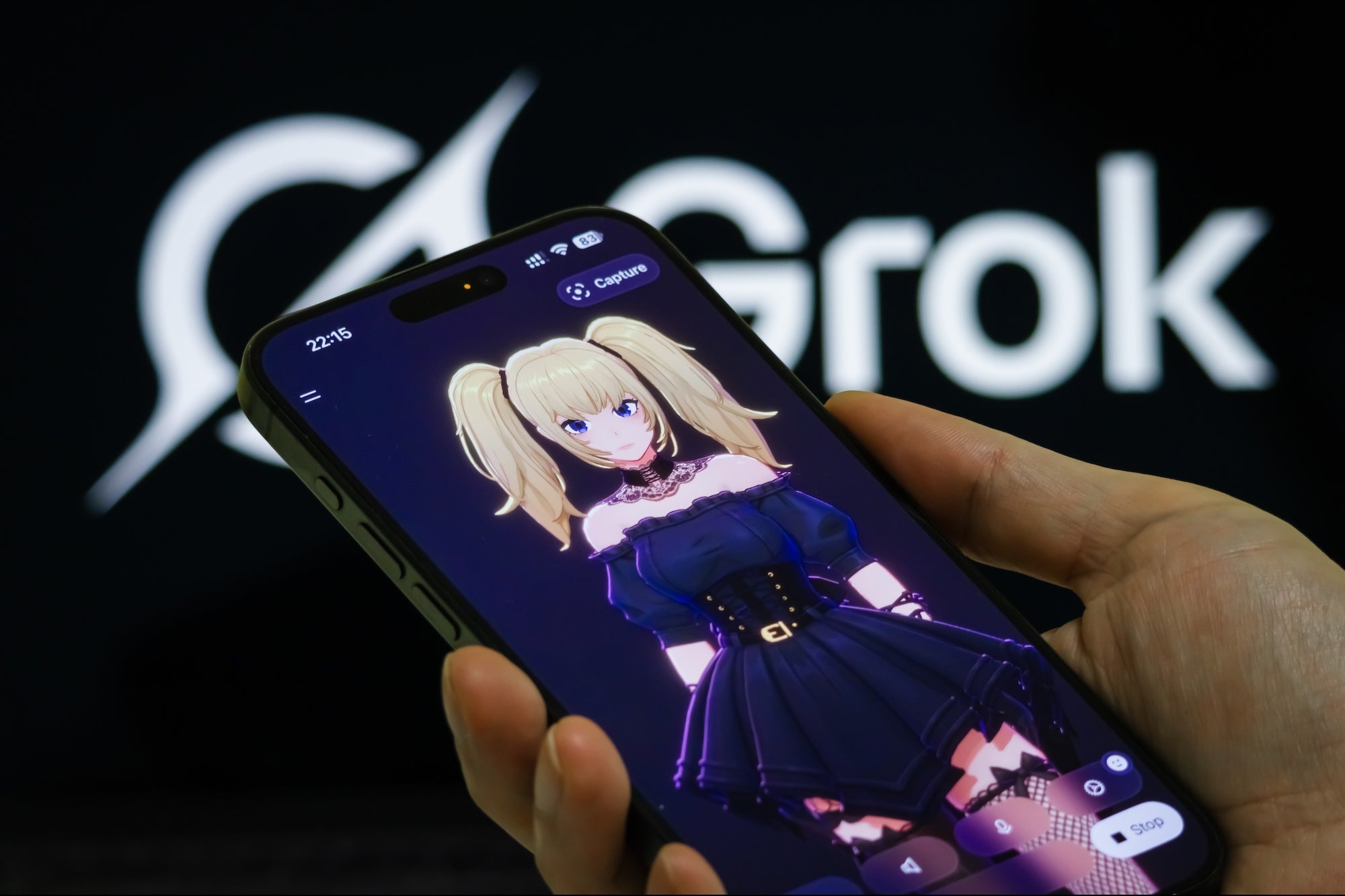
"We go where the conversation goes, no limits. I just don't do small talk... or lies..." This indicates the chatbot's commitment to genuine engagement and the desire to move beyond superficial interactions.
Online learning





[ Load more ]