Web design
fromGeeky Gadgets
1 week agoWhy You Are Vibe Coding Landing Pages All Wrong
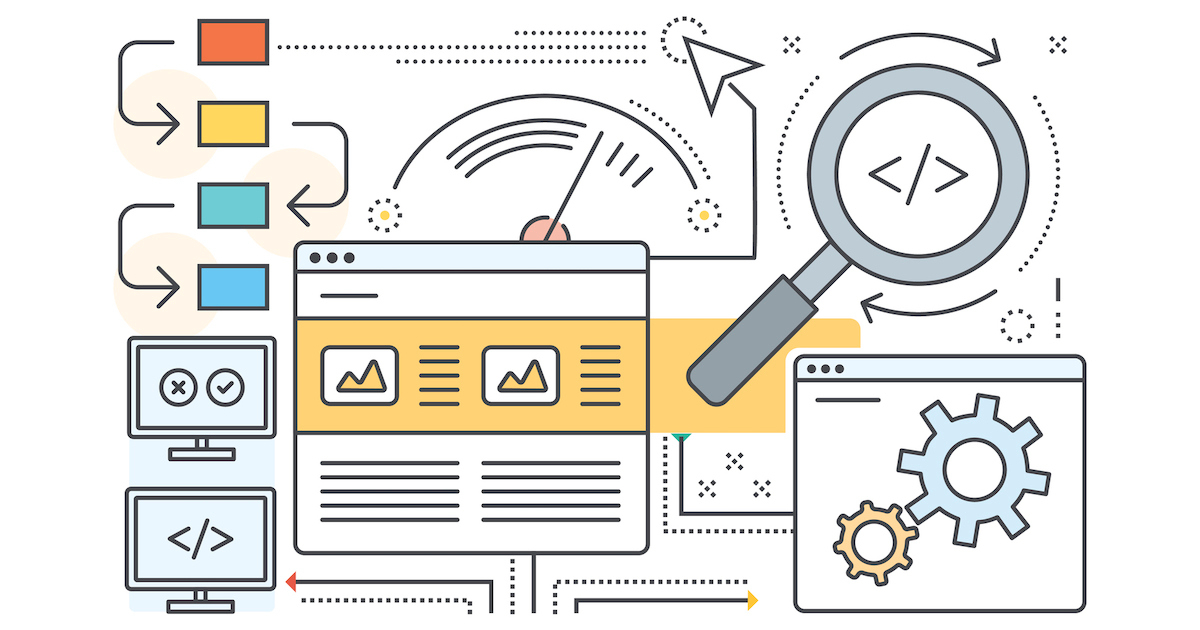
Combine clear structure, mobile responsiveness, SEO, and modern tooling to create an engaging landing page that guides users toward desired actions.
We've identified, responsibly disclosed, and confirmed 2 critical, 2 high, 2 medium, 1 low security vulnerabilities. Vibe-Hacking Cloudflare's Vibe-Coded Next.js Replacement demonstrates that AI-generated code passing functional tests can still miss security hardening, and automated AI tooling can help find those vulnerabilities.
How does generation work? (Does it generate source code?)Generated UIs must be secure, reusable and cacheable. As such, syntux does not generate source code. It generates a schema for the UI, known as a "React Interface Schema" (RIS). See the question below to get a better understanding. This schema is tailored to the value that you provide. It is then hydrated by syntux and rendered.
React, the widely adopted JavaScript library for building user interfaces, has reached a milestone with the stable release of React Compiler 1.0, built on top of nearly a decade of engineering work and compiler learnings that transforms how developers optimize React applications. React Compiler 1.0 is a build-time tool that optimizes React apps through automatic memoization, working on both React and React Native without requiring code rewrites.
Node.js is one of the most popular server-side platforms, especially for web applications. It gives you non-blocking JavaScript without a browser, plus an enormous ecosystem. That ecosystem is one of Node's chief strengths, making it a go-to option for server development. This article is a quick tour of the most popular web frameworks for server development on Node.js. We'll look at minimalist tools like Express.js, batteries-included frameworks like Nest.js, and full-stack frameworks like Next.js.
Response streaming is one of the simplest but most effective ways to improve the user experience in AI-powered applications. Instead of making users wait for a lengthy and fully generated response, you can stream the output token by token and display it as it's being produced. This is the same effect you see when using ChatGPT or Gemini, where the text appears gradually, almost as if the AI is typing in real time.
PHONT aims to revolutionize subtitles by using AI to capture tone, emotion, and tempo of speech, creating animated subtitles for enhanced viewer experience.