#Greenwashing
#Greenwashing
[ follow ]
#sustainability #consumer-protection #advertising-regulation #climate-change #totalenergies #generative-ai


:max_bytes(150000):strip_icc()/tal-hiking-daypack-backpacks-test-osprey-daylite-plus-mariya-ginzburg-03-1-f02e9fccbd6d4dfab8d01c9e856668c4.jpeg)




Fashion & style
fromEntrepreneur
1 month agoYour 'Organic' TShirt Still Hurts the Planet More Than You Think
Organic and sustainable fashion brands undermine their environmental messaging by packaging products in excessive single-use plastic, contradicting their eco-friendly positioning and contributing significantly to global plastic waste.
Environment
fromEarth911
1 month agoWhere to Find Eco-Friendly Ergonomic Pillows
The sustainable pillow market has grown significantly, but greenwashing and PFAS contamination in eco-labeled products pose serious health and environmental risks requiring careful verification through third-party certifications.

fromwww.theguardian.com
2 months agoClaims that AI can help fix climate dismissed as greenwashing
Tech companies are conflating traditional artificial intelligence with generative AI when claiming the energy-hungry technology could help avert climate breakdown, according to a report. Most claims that AI can help avert climate breakdown refer to machine learning and not the energy-hungry chatbots and image generation tools driving the sector's explosive growth of gas-guzzling datacentres, the analysis of 154 statements found.
Artificial intelligence



fromwww.theguardian.com
2 months agoRecycled plastic packaging claims are misleading, say experts
Europe's supermarket shelves are packed with brands billing their plastic packaging as sustainable, but often only a fraction of the materials are truly recovered from waste, with the rest made from petroleum. Brands using plastic packaging from Kraft's Heinz Beanz to Mondelez's Philadelphia use materials made by the plastic manufacturing arm of the oil company Saudi Aramco. The Saudi state-owned holding opposes production cuts under the UN plastic treaty and is the world's largest corporate greenhouse-gas emitter (over 70m tonnes up to 2023).
Environment
fromwww.theguardian.com
4 months agoEngland's water industry issued 10.5bn in green bonds' despite pollution record
Water companies have issued a fifth of the UK's green bonds since 2017, despite a consistently poor record of sewage pollution during that time, research has shown. Privately owned water companies in England have together issued 10.5bn in bonds tied to projects that offer environmental benefits, according to analysis of financial market data by Unearthed, which is part of Greenpeace UK. Anglian Water has been the biggest issuer in the water industry, at 3.5bn, with struggling Thames Water second at 3.1bn.
UK news
Environment
fromEarth911
5 months agoSustainability In Your Ear: Luke Purdy, Wieden+Kennedy's Director of Sustainability, on Advertising's Power To Change
Advertising agencies can drive responsible consumption by integrating sustainability as business strategy, reporting to finance, adopting carbon removal, and prioritizing authentic storytelling over greenwashing.
Environment
fromComputerWeekly.com
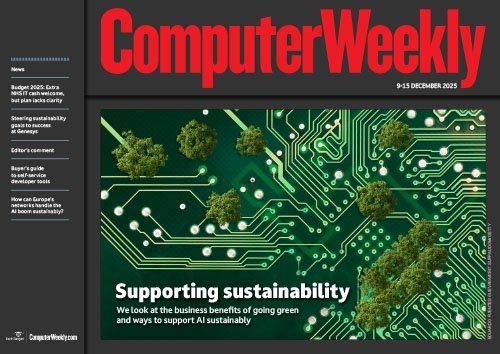
6 months agoIT Sustainability Think Tank: Distinguishing the green washers from the green winners | Computer Weekly
A cross-sector standardised decarbonisation framework and accurate carbon accounting are needed to prevent greenwashing, improve transparency, and accelerate industrial decarbonisation.
Environment
fromComputerWeekly.com
6 months agoIT Sustainability Think Tank: How IT directors can spot false green claims from Big Tech suppliers | Computer Weekly
IT leaders must verify granular, workload-level environmental impacts of AI-powered services to avoid greenwashing and ensure true sustainability benefits.
Social media marketing
fromBustle
6 months agoThese 10 Beauty Pros Will Change The Way You See Skin Care
Social media spreads dangerous skincare misinformation; trust credentialed dermatologists, cosmetic chemists, and product developers to evaluate claims and guide safe, science-based beauty decisions.
Apple
fromExchangewire
8 months agoDigest: Apple Builds 'Answers' Team; OpenAI Raises $8.3bn in Latest Fundraising Round; Shein Fined for Greenwashing - ExchangeWire.com
Apple creates 'Answers' team for enhanced AI search capabilities, OpenAI raises $8.3bn, and Shein fined €1m for greenwashing in Italy.
fromFast Company
11 months agoMeta is building a new data center in Louisiana-and this Senate committee wants to know why it's being powered by gas (exclusive)
"Meta's decision to power its data centers with fossil fuels while claiming net zero status is deeply troubling. This isn't leadership-it's greenwashing."
Marketing tech
[ Load more ]