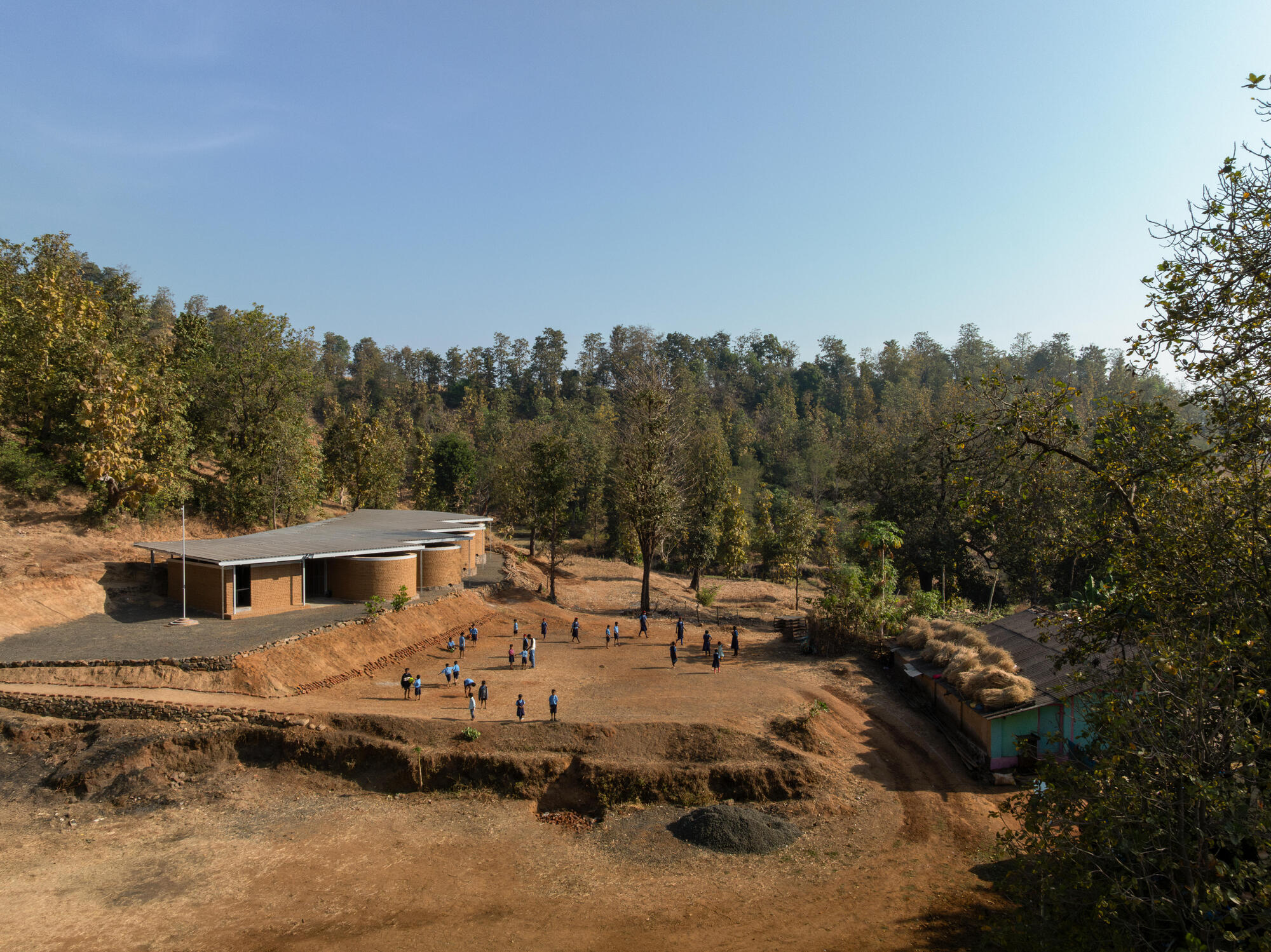
"In the mountainous regions of Vietnam, the borderlands of Thailand, and the rugged Western Ghats of India, building school projects remains a challenge defined by logistics. In areas where infrastructure and industrial supply chains are limited or distant, transporting each kilogram of material can significantly increase costs and logistical complexity. During 2025, several school projects in rural contexts in Asia showed how the architect's role often shifted from a designer of form to a strategist of procurement."
"The primary challenge was not merely aesthetic but a matter of durability: using locally available materials and protecting them from monsoon rains, high-velocity winds, and sometimes seismic instability. The architectural response across some of last year's rural school projects pointed towards a return to material intelligence and passive performance. Rather than importing standardized solutions, these 2025 designs prioritized local sourcing, utilizing excavated earth, recycled timber, and agricultural by-products as primary structural elements."
In the mountainous regions of Vietnam, the borderlands of Thailand, and the Western Ghats of India, school construction is constrained by limited infrastructure and distant supply chains. Transporting each kilogram of material raises costs and complicates logistics. In 2025 rural school projects, architects moved from form-focused designers to procurement strategists. The paramount concern became durability against monsoon rains, high-velocity winds, and occasional seismic instability. Architectural responses favored material intelligence and passive performance. Designs prioritized local sourcing and employed excavated earth, recycled timber, and agricultural by-products as primary structural elements to reduce reliance on imported, standardized solutions.
Read at ArchDaily
Unable to calculate read time
Collection
[
|
...
]