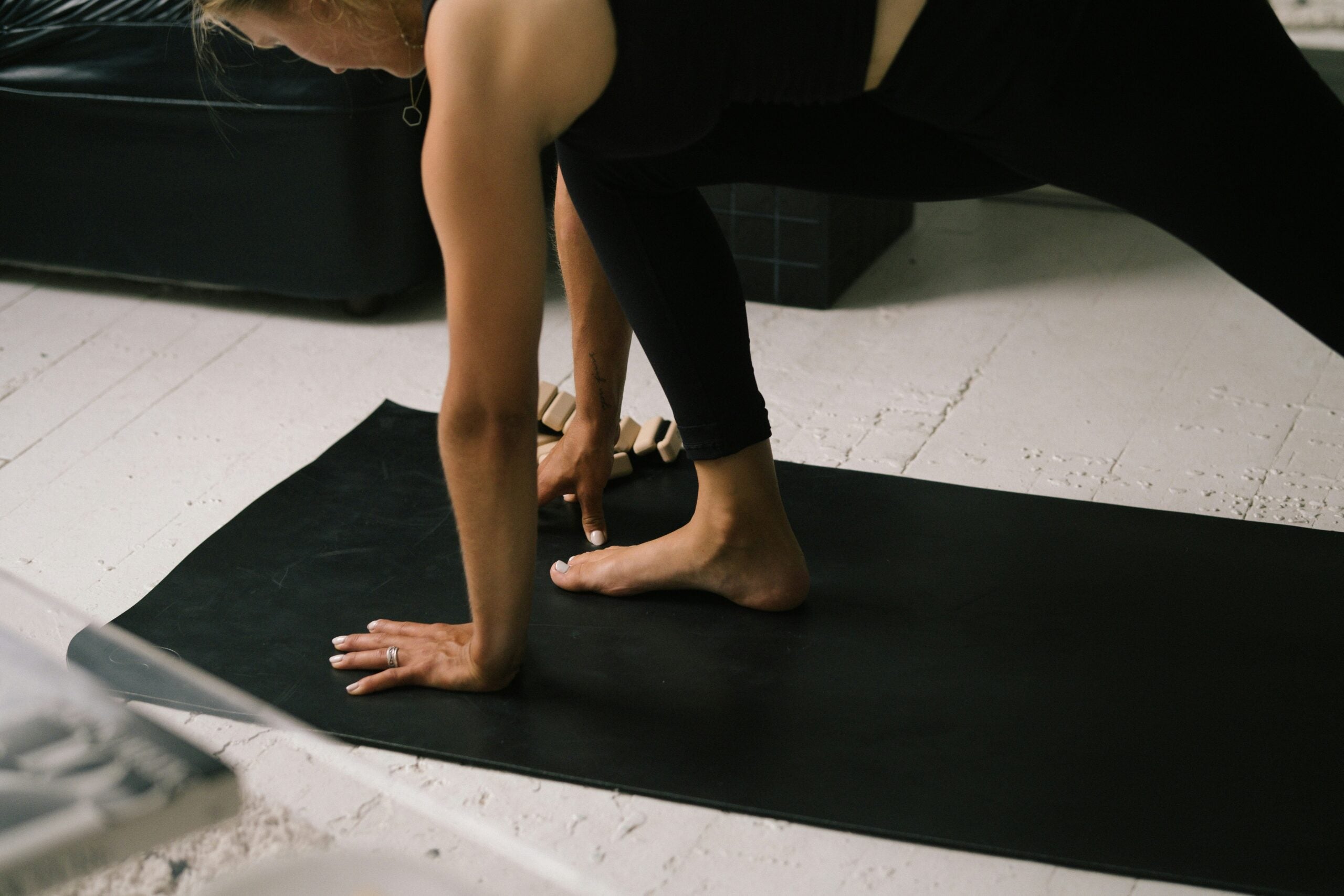
"They help lift your legs so you can walk. They're also the exact place in your back leg where you likely feel the most stretch in a lunge. If you guessed the hip flexors, you're correct! This team of muscles resides at the front of the hips and help your leg and pelvis move as a single unit. And if this area has ever felt tight, stuck, strained, or even a little pinchy at the end of the day, you're not imagining it."
"This tends to happen in those who sit for hours, travel often, run, cycle, or train hard at the gym. Namely, people who regularly experience their hip flexors in a contracted, or shortened, position may not be using them in a way that keeps these muscles resilient and adaptable. In other words, if your hip flexors aren't happy, you'll feel it-sometimes in your hips, sometimes in your lower back, and sometimes in your stride."
Hip flexors, including the psoas, iliacus, and rectus femoris, sit at the front of the hips and coordinate leg and pelvis movement. They act as both movers and stabilizers, supporting upright posture, spinal comfort, and smooth weight transfer during walking and running. Prolonged sitting, frequent travel, running, cycling, and intense training commonly keep hip flexors shortened and contracted, reducing range of motion and causing tightness, lower-back discomfort, or altered gait. Stress and shallow breathing increase psoas bracing. Effective care emphasizes a balanced approach of targeted stretching, strengthening surrounding muscles, and controlled breathing rather than only intense stretches.
Read at Yoga Journal
Unable to calculate read time
Collection
[
|
...
]