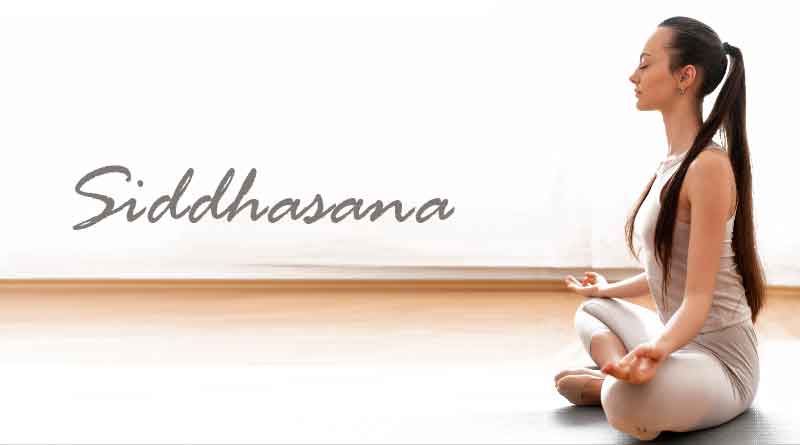
"Siddhasana, also known as the Perfect Pose, is one of the most ancient and powerful seated postures in yoga. Classic yogic texts like the Hatha Yoga Pradipika and Gheranda Samhita mention Siddhasana. Many people see it as the best posture for meditation, pranayama, and spiritual awakening. The word Siddha means "accomplished" or "perfected being," and asana means posture. Practicing Siddhasana regularly helps the practitioner attain mental clarity, stability, and higher states of consciousness."
"Siddhasana is important in yoga because it helps the body align. This alignment lets prana, or life force energy, flow freely through the spine. Mastering Siddhasana can lead to yogic perfection. This is true when you combine it with disciplined breathing and meditation. Unlike other seated poses, Siddhasana gently presses the perineum, stimulating the Muladhara Chakra, which associates with stability, grounding, and survival energy."
"Sit on the yoga mat with your legs extended forward. Bend your left knee and place the left heel firmly against the perineum. Bend your right knee and place the right heel on top of the left ankle, pressing lightly against the pubic bone. Tuck both feet comfortably between your calves and thighs. Keep your spine straight, neck aligned, and shoulders relaxed. Rest your hands on your knees in Jnana Mudra or Chin Mudra. Close your eyes and breathe slowly and deeply."
Siddhasana, or Perfect Pose, is an ancient seated yoga posture recommended for meditation, pranayama, and spiritual awakening. The posture aligns the body to allow prana to flow freely through the spine, and regular practice cultivates mental clarity, stability, and access to higher states of consciousness. Gentle pressure at the perineum stimulates the Muladhara (root) chakra, supporting grounding and survival energy. Proper practice requires specific foot placement, a straight spine, relaxed shoulders, and hands in Jnana or Chin Mudra. Controlled, rhythmic breathing soothes the nervous system and supports meditative holds from five to thirty minutes.
Read at https://www.arogyayogaschool.com/blog
Unable to calculate read time
Collection
[
|
...
]