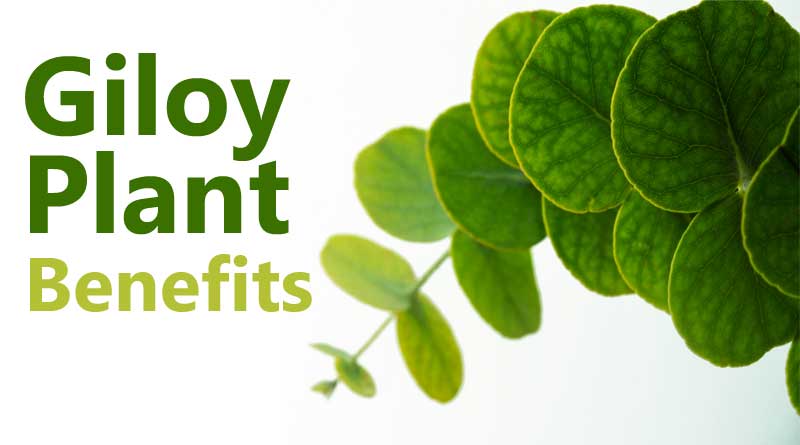
"The Giloy Plant, known as Tinospora cordifolia, is an important medicinal plant in Indian medicine, especially Ayurveda. This plant is also known as Guduchi, Amrita, or Heart-leaved Moonseed. For centuries, individuals have utilized it to support health, boost immunity, aid digestion, detoxify, and promote healing. Giloy is often called the nectar of life because it has many health benefits. Giloy Plant and Regnum Plantarum Pertinata and Classification: Regnum: Plantae Divisio: Angiospermae (plantae florentes) Classis: Dicotyledones Ordo: Ranunculales Familia: Menispermaceae Genus: Tinospora Species: Tinospora cordifolia"
"Ancient Ayurvedic texts like the Charaka Samhita and Sushruta Samhita mention Giloy. Experts classify it as a Rasayana herb. This means people know it for improving longevity, rejuvenation, and vitality. Ayurvedic experts value for its ability to balance the three doshas: Vata, Pitta, and Kapha. It also helps to revitalize all body tissues. People have traditionally used it to address fever, digestive problems, respiratory ailments, and infections. In Sanskrit, Guduchi means that which protects the whole body. Amrita means immortality."
"Contains a rich array of phytochemicals responsible for its medicinal effects: Alkaloids: berberine, magnoflorine, palmatine Diterpenoid lactones: tinosporon, tinosporides Glycosides: tinocordiside, tinocordifolioside Steroids, phenolics, polysaccharides, and flavonoids These substances play a role in its antioxidant, immunomodulatory, anti-inflammatory, fever-reducing, and antidiabetic effects. Main Health Benefits of Giloy Giloy Plant is used for a broad spectrum of health needs. Below are its key benefits supported by traditional use and scientific research:"
Tinospora cordifolia (Giloy), also called Guduchi, Amrita, or Heart-leaved Moonseed, is a medicinal climbing shrub classified in Plantae, Angiospermae, Dicotyledones, Ranunculales, Menispermaceae. Ayurvedic tradition treats it as a Rasayana that promotes longevity, rejuvenation, and balances Vata, Pitta, and Kapha while revitalizing body tissues. Traditional uses include treatment for fever, digestive disorders, respiratory ailments, and infections. Phytochemical constituents include alkaloids (berberine, magnoflorine, palmatine), diterpenoid lactones (tinosporon, tinosporides), glycosides (tinocordiside, tinocordifolioside), steroids, phenolics, polysaccharides, and flavonoids. These constituents contribute to antioxidant, immunomodulatory, anti-inflammatory, antipyretic, and antidiabetic effects and support macrophage function and cytokine production.
Read at www.arogyayogaschool.com
Unable to calculate read time
Collection
[
|
...
]