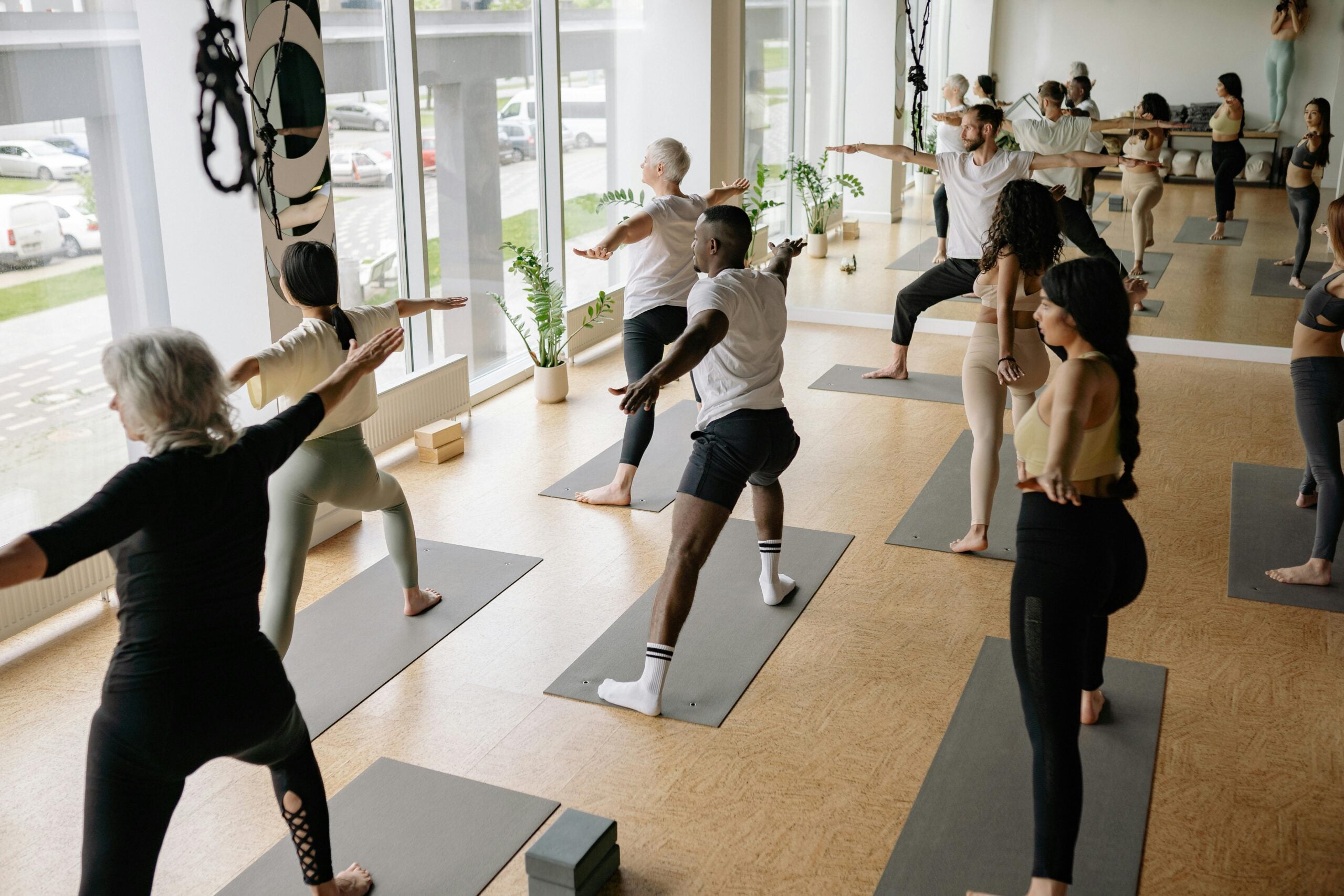
"Do we want yoga practitioners to be scared and fearful or empowered in their bodies? Rethinking the rules means you can focus on things that DO matter, whether that's the sensations you feel, your breath, or your intention. You'll also be able to practice more fearlessly with the confidence to experiment with what works for you."
"Safety tips in yoga are well-intentioned. A teacher might offer cues based on what works for their body or assume a student could hurt themselves if they deviate from the cues they were taught. But each student has unique needs and it can be challenging for teachers to cue poses that work for everyone."
"Remember that not all movements are appropriate for everyone due to injuries, medical conditions, anatomical differences, or just plain preference. Use your discretion. As you question certain cues and defer to your own judgment about what works best for your body, pay attention to the sensations in your body."
Yoga teachers often provide safety cues based on personal experience or standardized instruction, but these universal rules don't account for individual anatomical differences, injuries, and medical conditions. Many widely repeated safety warnings in yoga are actually myths that don't pose genuine risks for most practitioners. Rather than creating fear, yoga instruction should empower students to understand their bodies and practice with confidence. By questioning conventional safety rules and paying attention to personal sensations—such as breath, comfort, and control—practitioners can determine what movements work best for their unique bodies. This approach encourages experimentation and fearless practice while maintaining awareness of genuine warning signals like dizziness or discomfort.
Read at Yoga Journal
Unable to calculate read time
Collection
[
|
...
]