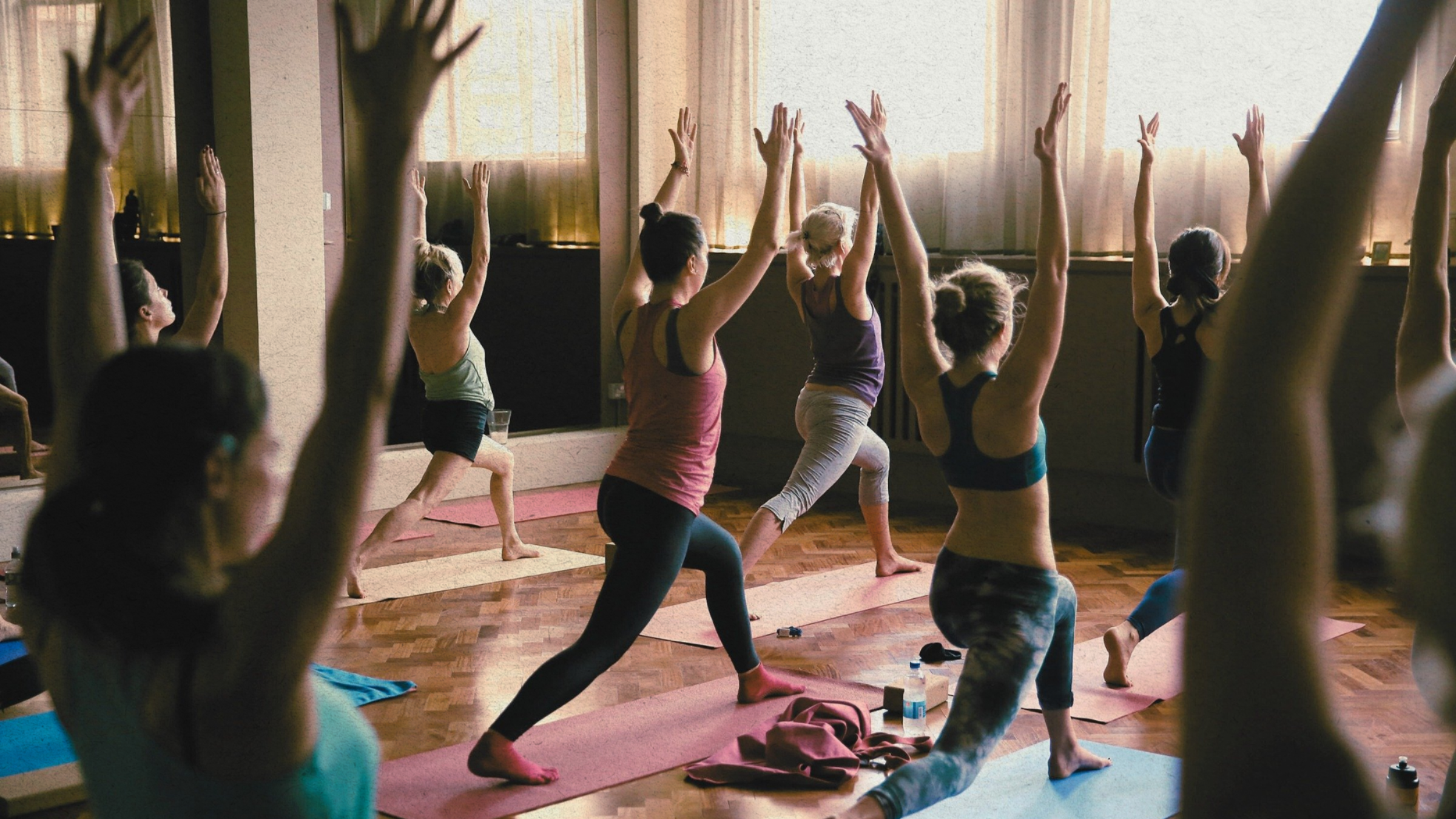
"If the goal to to offer a truly transformative practice-and a class students want to return to again and again-a welcoming environment for all should be the goal. But what, exactly, does that include? In short, the vulnerability that comes with yoga requires a container that supports it. Paying attention to the accessibility, vibe, and clarity in and around any class is a strong place to start."
"Yoga class doesn't need to be all sunshine and rainbows, but a general air of acceptance and friendliness can help everyone really relax and show up for their practice. It helps to remember that trying a new class, or even attending a familiar class on an off day, can be intimidating for students."
"Hands-on adjustments can be incredibly helpful for accessing a safe and aligned expression of a pose, but not every student is comfortable being touched. Asking permission is a must. This can look like asking for consent to adjust on a mat-by-mat basis, or offering students cards before class to make their preferences silently understood."
Yoga classes bring together diverse individuals with varying experience levels, body types, and mobility needs. Creating a truly transformative and welcoming environment requires intentional attention to multiple factors. Students need an atmosphere of acceptance and friendliness where they feel comfortable showing up authentically. Pre-class prop instructions prevent disruptions and ensure students are prepared. Consent-based practices for hands-on adjustments respect personal boundaries, as not all students welcome physical touch. These foundational elements create a sacred container that supports the vulnerability inherent in yoga practice and encourages students to return consistently.
Read at Yoga Journal
Unable to calculate read time
Collection
[
|
...
]