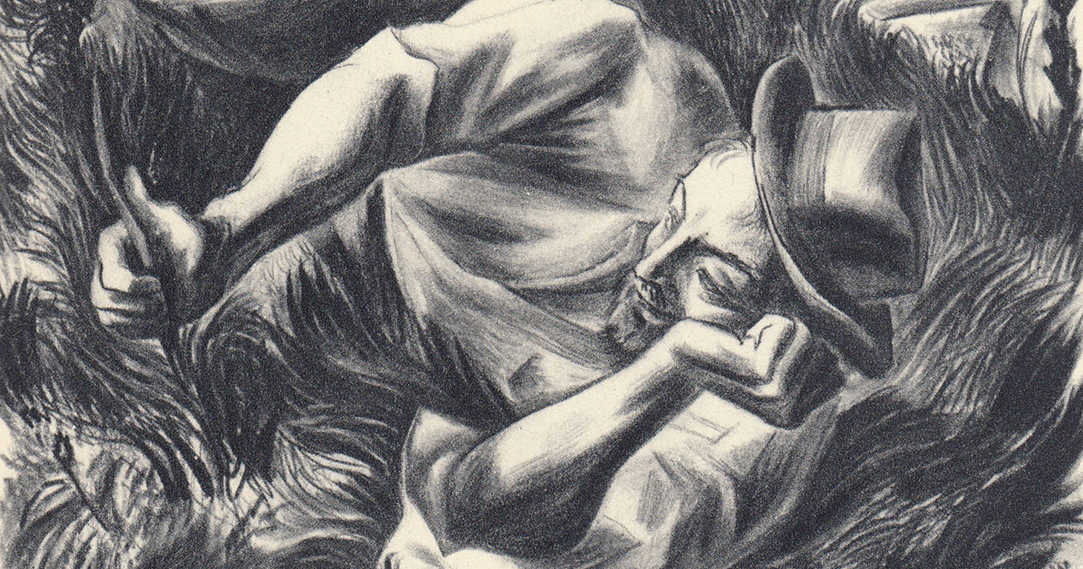
"The rosy-cheeked boy was the second of their eight children. Conceived the year Frankenstein was born, born months after the landmark legislation that proposed the abolition of slavery in Missouri and sparked the tensions that would eventually erupt into the Civil War."
"He has just turned fourteen. Three years earlier, he left school to begin earning his living - partly to allay his family's perpetual financial struggle, partly to allay the numbing of his soul."
"This Brooklyn boy would soon be shaking his young country awake from the slumber of complacency - not with preachings, not with politics, but with poems: poems that would effect more spiritual elevation, kindle more moral courage, seed more ideas of the basic humanity we call social justice."
In the summer of 1833, a fourteen-year-old boy attends a theater performance, exhilarated by the experience despite his family's financial struggles. He left school at eleven to work, partly to support his family and partly to enrich his soul. An office boy for lawyers, he was introduced to literature, which ignited his passion for writing. Born to a lineage of Quakers, he would later use poetry to inspire social justice and awaken the consciousness of his country, contributing significantly to cultural and moral progress.
Read at The Marginalian
Unable to calculate read time
Collection
[
|
...
]