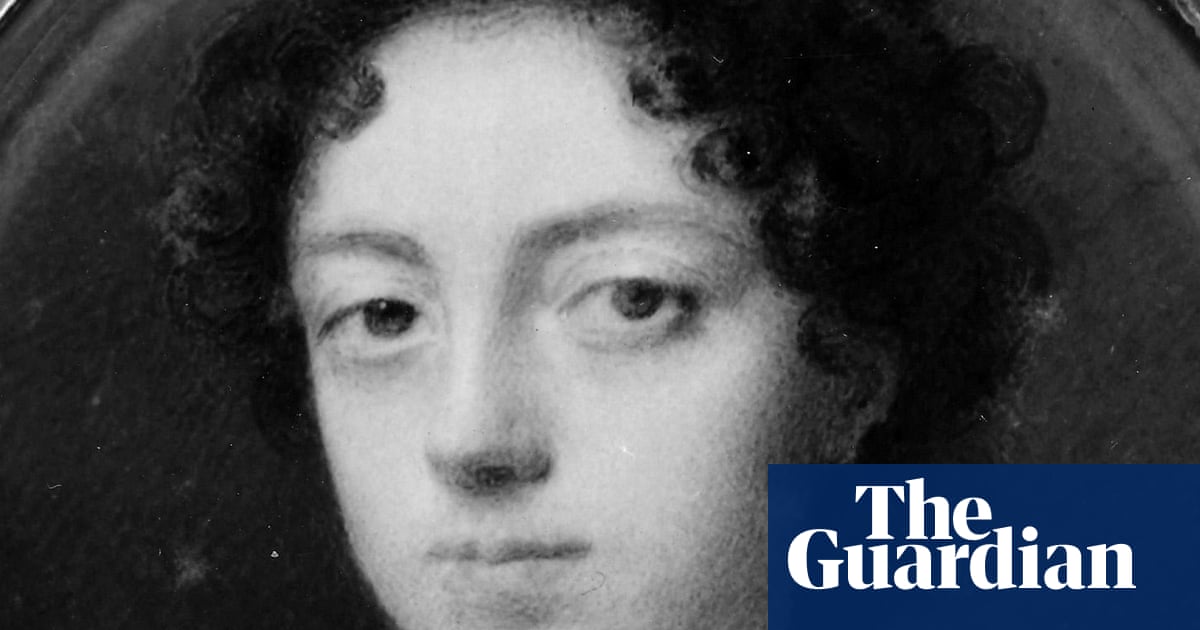
"'Tis true, I write; and tell me by what rule I am alone forbid to play the fool, To follow through the groves a wandering muse And feigned ideas for my pleasures choose? Why should it in my pen be held a fault, Whilst Myra paints her face, to paint a thought? Whilst Lamia to the manly bumper flies, And borrowed spirits sparkle in her eyes, Why should it be in me a thing so vain To heat with poetry my colder brain?"
"Does Flavia cease now at her fortieth year In every place to let that face be seen Which all the town rejected at fifteen? Each woman has her weakness; mine indeed Is still to write, though hopeless to succeed. Nor to the men is this so easy found; Ev'n in most works with which the wits abound (So weak are all since our first breach with Heaven) There's less to be applauded than forgiven."
An individual admits to practising poetry with self-mockery and questions why imaginative play should be considered foolish for a woman. Imagination and 'feigned ideas' are affirmed as genuine creative faculties and legitimate sources of pleasure. Comparisons to commonplace feminine acts—Myra painting, Lamia drinking, Flavia recirculating her youth—equate poetic pursuit with socially accepted vanities. Satire, irony, and heroic couplets create an idyllic, pastoral fantasy that subtly challenges gendered restrictions on artistic activity. The rhetoric insists on poetic seriousness while framing creative desire as a permissible pleasure, resisting cultural diminishment of women's capacities. The tone balances humor, modesty, and a firm claim to artistic capability.
Read at www.theguardian.com
Unable to calculate read time
Collection
[
|
...
]