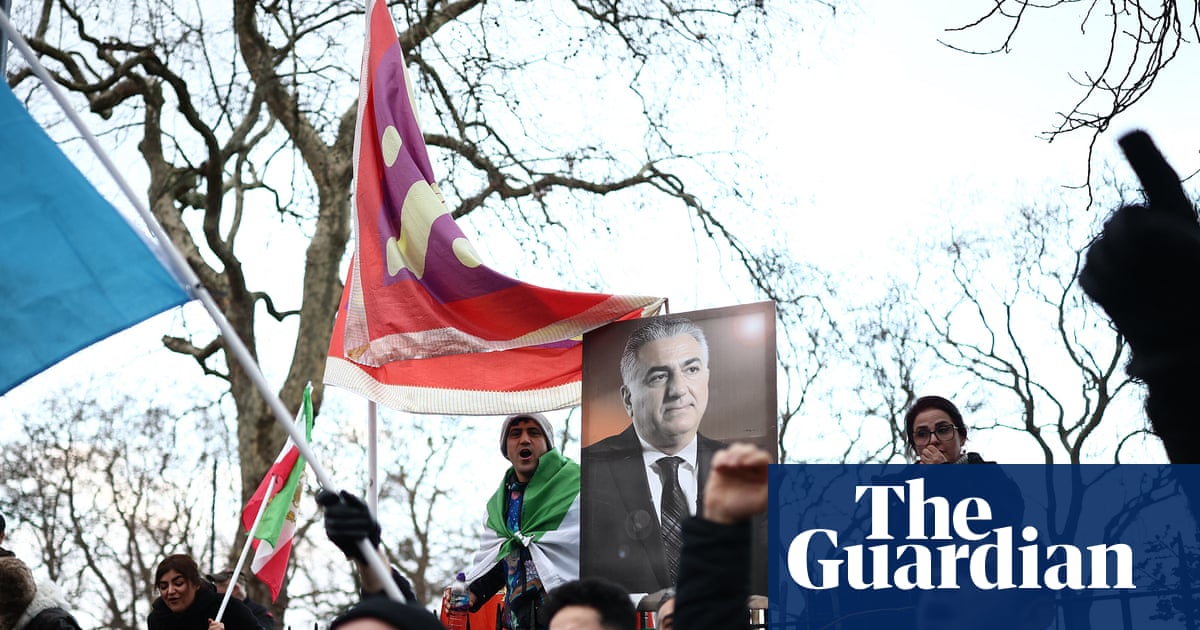
"When asked to predict whether fissures are appearing at the top of the Iranian state that may imply Ayatollah Ali Khamenei's days as supreme leader are numbered, western diplomats adopt a haunted demeanour, perhaps recalling one of western diplomacy's greatest collective disasters. Before the fall of the Shah of Iran in January 1979, insouciant diplomats based in Tehran were sending cables to their capitals offering total reassurance that Mohammad Reza Pahlavi's hold on power was utterly secure."
"Parsons later wrote an anguished book asking whether as British ambassador he could have anticipated that the forces of opposition to the shah the religious class, the bazaar, the students would combine to destroy him. He concluded that his inability to predict an event that he compared in import to the French Revolution was not due to a lack of information, but from a failure to interpret the information correctly."
Western diplomats approach predictions about fissures at the top of the Iranian state with caution because of the failure to foresee the 1979 overthrow of the shah. In 1978 the US Defence Intelligence Agency predicted the shah would remain in power for the next decade and a State Department report suggested he would not have to stand down until 1985. UK ambassador Sir Anthony Parsons reported no serious risk of overthrow while the shah remained. Parsons later attributed the failure to anticipate the revolution to misinterpretation of available information rather than lack of information. Contemporary academic experts do not see clear evidence of mass defections from the regime, and claims of large IRGC desertions have been revised.
Read at www.theguardian.com
Unable to calculate read time
Collection
[
|
...
]