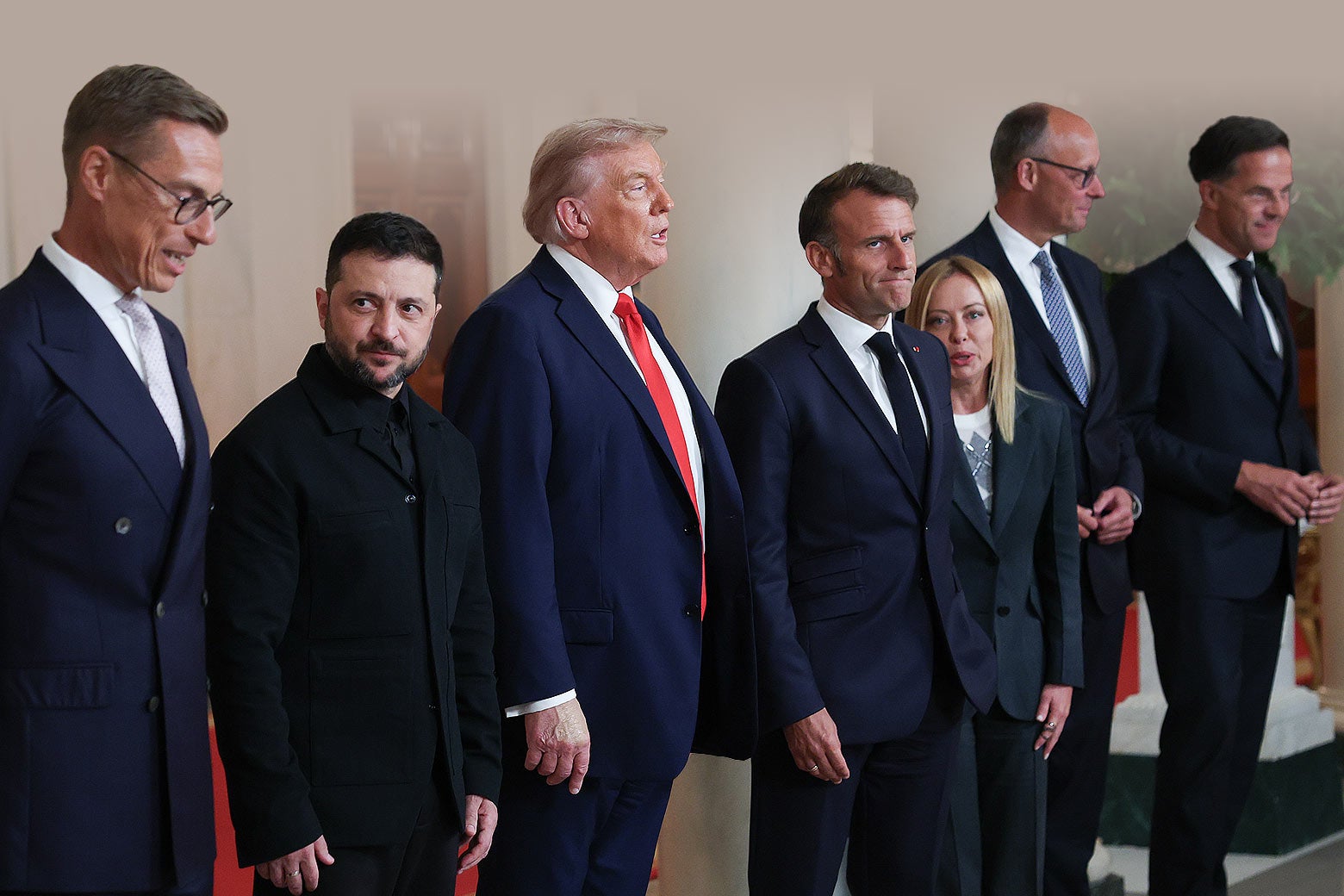
"At the Munich Security Conference last February, the vice president described Europe's greatest threat as one " from within," chiding its leadership for suppressing national speech and political participation, especially of anti-immigrant, anti-EU movements. Vance's hostility, combined with some hypocrisy, shocked leaders: They'd expected a lecture from the incoming administration, but maybe on defense spending. Instead, Vance's position suggested a more profound rupture in the trans-Atlantic relationship, one where the U.S.'s commercial tech interests and ideological affinity for Europe's far right were coalescing into a broader attack on European sovereignty."
"In the year since, the rift has widened, as the Trump administration and its allies have found common cause with Europe's far right. In early February, the House GOP Judiciary Committee accused Europe of a " decade-long" campaign to censor the global internet, including by using its regulatory power to "silence political opposition." European far-right leaders and political parties seized on these claims. "So maybe without interference of the EU we could have won the elections in 2025," Geert Wilders, the leader of Party of Freedom, a Dutch far-right party, wrote on X."
J.D. Vance accused European leadership of suppressing national speech and political participation, highlighting threats labeled as coming "from within," particularly targeting anti-immigrant and anti-EU movements. His remarks signaled a rupture in trans-Atlantic relations by linking U.S. commercial tech interests and ideological support for Europe's far right to an attack on European sovereignty. The rift widened as the Trump administration and allies accused the EU of a decade-long campaign to censor the global internet and silence political opposition. European populists and American MAGA figures, aided by Big Tech voices, have used those claims to portray EU moderation as an assault on free speech.
Read at Slate Magazine
Unable to calculate read time
Collection
[
|
...
]