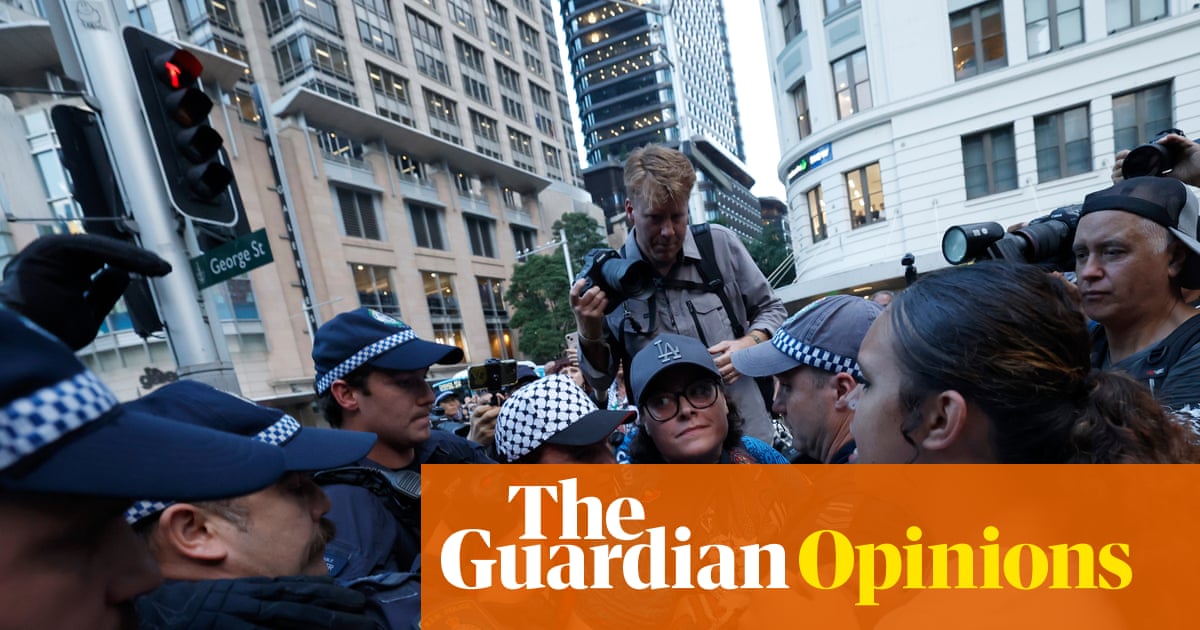
Isaac Herzog received an official welcome in Australia while peaceful protesters faced baton use and excessive force. A complainant lodged a formal legal complaint alleging Herzog's rhetoric and policies contributed to the destruction of their family in Gaza; the complainant reported seven relatives killed and no government response. A lawful protest in Sydney was met with police batons despite peaceful intentions. The state’s responses suggested prioritization of silencing dissent over legal redress. Australia ratified the UN Genocide Convention in 1949, imposing duties to prevent genocide, avoid facilitation, and refrain from legitimizing those credibly accused of incitement.
"Isaac Herzog's visit to Australia was not a routine diplomatic engagement. It was an ethical and political test of the Australian state. At the very moment a red carpet was rolled out for a man accused of inciting genocide, peaceful Australian citizens were met with batons while exercising their democratic right to protest. For me, this was never an abstract political debate."
"Before the visit, I pursued the legal channels that are meant to protect citizens and lodged a formal complaint with the Australian government about the role Herzog played in rhetoric and policies that contributed to the destruction of my family in Gaza. Seven of my relatives were killed. My father died because of a lack of medicine, food and water. My brother, his wife, their four children and her father were also killed. Their bodies remain buried beneath the rubble."
"To what extent, then, is the Australian citizen now being disregarded? This question is especially urgent because Australia is not a state without obligations. It ratified the UN genocide convention in 1949, a foundational pillar of postwar international law that transformed the prevention of genocide from a moral aspiration into a binding legal duty. The convention requires states to exercise due diligence to prevent genocide, to avoid facilitating it, and to refrain from conferring political or diplomatic legitimacy on those credibly accused of inciting it."
Read at www.theguardian.com
Unable to calculate read time
Collection
[
|
...
]