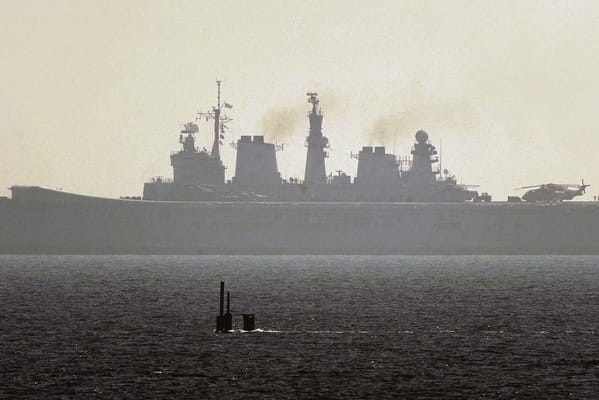
"The Strait of Hormuz is one of the world's most critical energy chokepoints, carrying a significant share of global oil and gas exports. Any disruption is expected to send shockwaves through energy markets, driving up prices and fuelling inflationary pressures worldwide."
"Defence analysts say the risk of miscalculation is rising as rhetoric hardens and naval assets in the region grow. Even without a formal blockade, heightened inspections, interceptions, or threats to commercial shipping could be enough to provoke retaliation."
"In the event of a blockade or attempted closure, Iran would almost certainly regard the move as an act of war. Military responses could include strikes on naval forces, drone and missile attacks on shipping, and disruption of energy infrastructure across the Gulf."
"Despite this, intelligence assessments suggest that a full-scale conventional war remains unlikely in the near term. More probable scenarios include limited naval clashes, tit-for-tat strikes, and sustained disruption of commercial shipping, rather than prolonged open warfare."
Concerns about military escalation in the Gulf are rising, particularly regarding the Strait of Hormuz, a critical energy chokepoint. Disruptions in this area could lead to significant increases in oil prices and global inflation. Analysts warn that heightened military presence and rhetoric could provoke retaliation, even without a formal blockade. While a direct war is deemed unlikely, scenarios of limited naval clashes and disruptions to shipping are more probable, with diplomatic efforts expected to increase to prevent conflict.
Read at London Business News | Londonlovesbusiness.com
Unable to calculate read time
Collection
[
|
...
]