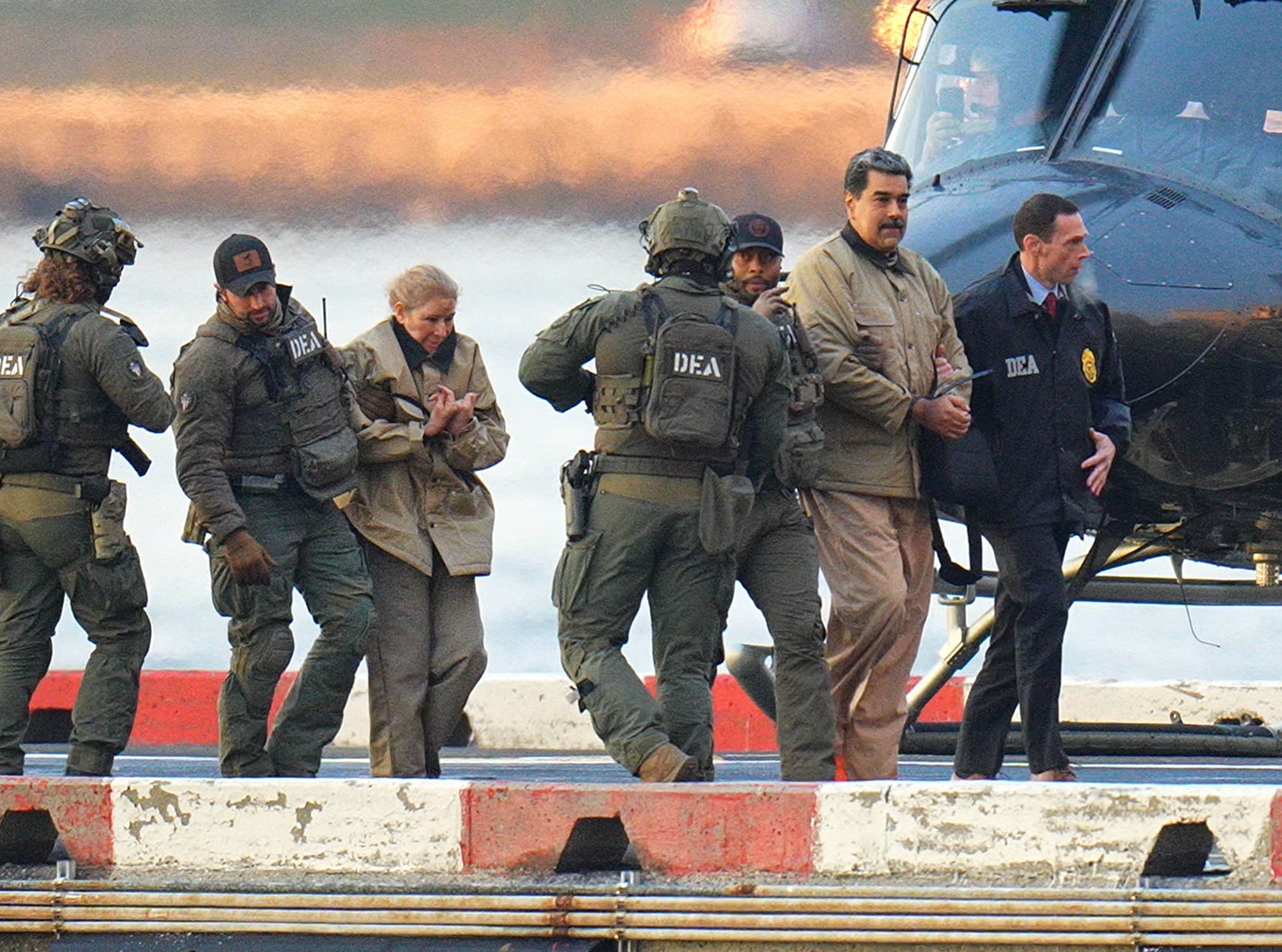
"Gomez lays bare a dynamic U.S. officials often avoid acknowledging: When the United States asserts dominance in Latin America, the consequences reverberate at home. Yet instead of reckoning with that reality, we have built an immigration enforcement apparatus that dehumanizes migrants and routinely violates basic rights - including those of people who defend them. What is notably different now is that in the past, U.S. companies and investors often led the push into Latin America and then lobbied Washington to intervene."
"Under the Trump administration, those roles appear reversed. The administration is using military force to secure American interests, said Miguel Tinker Salas, professor emeritus of Latin American History at Pomona College and author of Venezuela: What Everyone Needs to Know and The Enduring Legacy: Oil, Culture and Society in Venezuela. Rebuilding Venezuela's oil infrastructure could take years, even a decade. The United States now produces more oil than it consumes and is a net exporter."
Historical U.S. interventions in Latin America, exemplified by United Fruit, create consequences that reverberate within the United States. The immigration enforcement apparatus treats migrants as dehumanized subjects and routinely violates basic rights, including those of people who defend migrants. Under recent policies, government actors have increasingly used military force to secure American economic and strategic interests rather than private companies leading interventions and lobbying. Rebuilding Venezuela's oil infrastructure could take years or a decade, even as the United States now produces more oil than it consumes and is a net exporter. Roughly one in four Venezuelans—about eight million—have left in the past decade, and about 770,000 lived in the United States in 2023.
Read at Kqed
Unable to calculate read time
Collection
[
|
...
]