"When the street siren sounded outside Mr. Kofi's tailoring shop in Ikeja, Lagos, it meant only one thing: the grid was back. His team had been sitting in the dark for most of the day. They had run out of generator fuel. Mr. Kofi joked that NEPA local shorthand for the long-defunct agency that once ran the national grid must have known a visitor was coming, and that's why they brought back the light."
"His shop sits in Band A, Nigeria's highest-priority electricity zone, promised 20 hours of power a day under the tariff reform introduced in April 2024. The fuel to bridge the gaps now costs around 1,300 per liter up from a national average of 1,034 in January, according to the Nigerian Bureau of Statistics. The proximate cause of the latest spike is a war being fought thousands of kilometres away."
"Iran's closure of the Strait of Hormuz in late February sent global crude prices surging. Between April 27 and April 29 alone, Brent crude rose from $105 to $118 per barrel prompting the Dangote Petroleum Refinery to adjust its petrol loading price from 1,200 to 1,275 per liter. Pump prices at filling stations across the country followed swiftly."
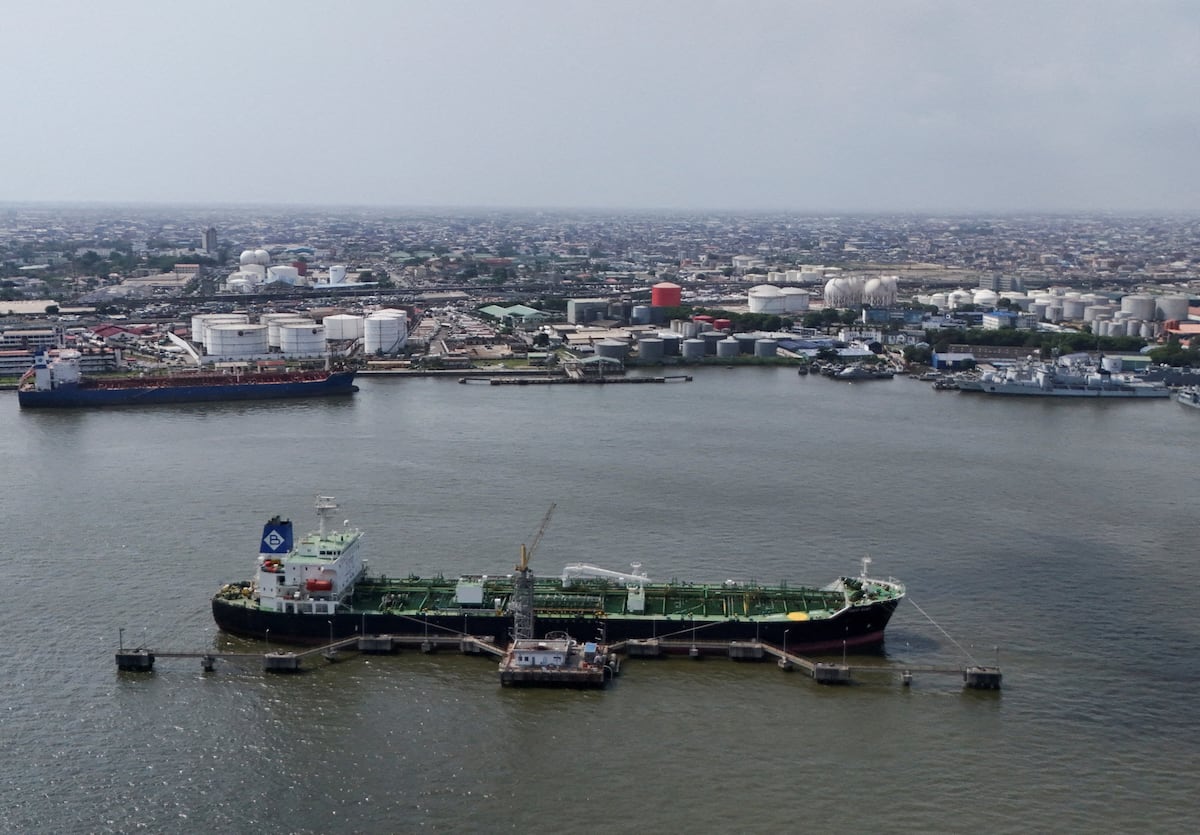
"Nigeria extracts approximately 1.4 million barrels of crude oil per day and is Africa's largest petroleum producer. Yet for decades it has lacked the refining capacity to meet its own fuel needs, importing refined petrol priced against global markets. Why is the fuel expensive here if we are the ones supplying oil to other countries? asked Vanessa Aguda, a cosmetic chemist and personal care brand founder based in Lagos."
A tailoring shop in Ikeja, Lagos briefly regained electricity when the grid returned after hours of darkness caused by depleted generator fuel. The shop operates in Band A, which is promised 20 hours of power daily under April 2024 tariff reforms, but fuel to bridge outages is costly. Generator fuel prices increased from a national average of 1,034 per liter in January to about 1,300 per liter. The latest spike is linked to a war thousands of kilometres away, after Iran closed the Strait of Hormuz, pushing global crude prices higher. Brent crude rose from $105 to $118 per barrel between April 27 and April 29, leading Dangote Petroleum Refinery to raise petrol loading prices. Filling station pump prices followed quickly, adding to persistent reliance on imported refined petrol despite Nigeria’s large crude production.
#nigeria-electricity-supply #generator-fuel-costs #oil-price-shocks #strait-of-hormuz #refining-capacity-and-fuel-imports
Read at english.elpais.com
Unable to calculate read time
Collection
[
|
...
]