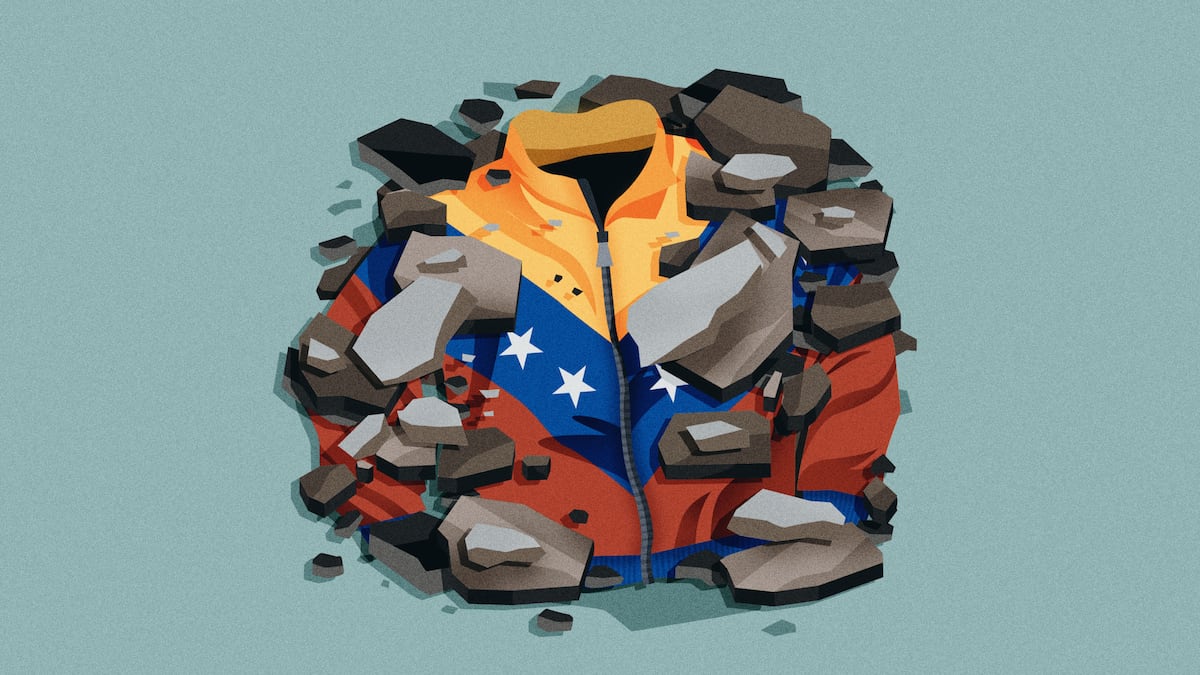
Images of repression and a government refusing to show tally sheets strengthened reactionary narratives. Chavismo initially provided material and symbolic gains for the regional left and opened debate on socialism after the Cold War's end. Chavez amplified socialist discourse, quoted Marxist texts, hosted leftist thinkers, and promoted people's power initiatives that appeared to empower communities. Over time a bureaucratic-authoritarian elite coalesced around the state, using it for personal enrichment and plunder of resources, including oil. Public services deteriorated or failed, and people's power often masked centralized control. By the mid-2010s Chavismo shifted from asset to burden for the left.
"For a left wing that envisioned years of political abandonment, Chavismo fell from the sky like a miracle. That a Latin American president could speak of socialism after the fall of the Berlin Wall and amidst the so-called neoliberal pensee unique, was unexpected. Chavez could quote from the book Bolshevism: The Road to Revolution, by the British Marxist Alan Woods, on the importance of the revolutionary party, and read excerpts on television."
"Latin America was, once again, the land of utopia, and a diverse revolutionary tourism flocked to Caracas and its most combative neighborhoods, such as the emblematic 23 de Enero. But beneath this veneer of radicalism, an elite quickly formed that used the state as a source of wealth and a vehicle for plundering national resourcesincluding oil. The public services that the Bolivarian Revolution supposedly guaranteed rapidly deteriorated or were failed experiments from the outset."
Read at english.elpais.com
Unable to calculate read time
Collection
[
|
...
]