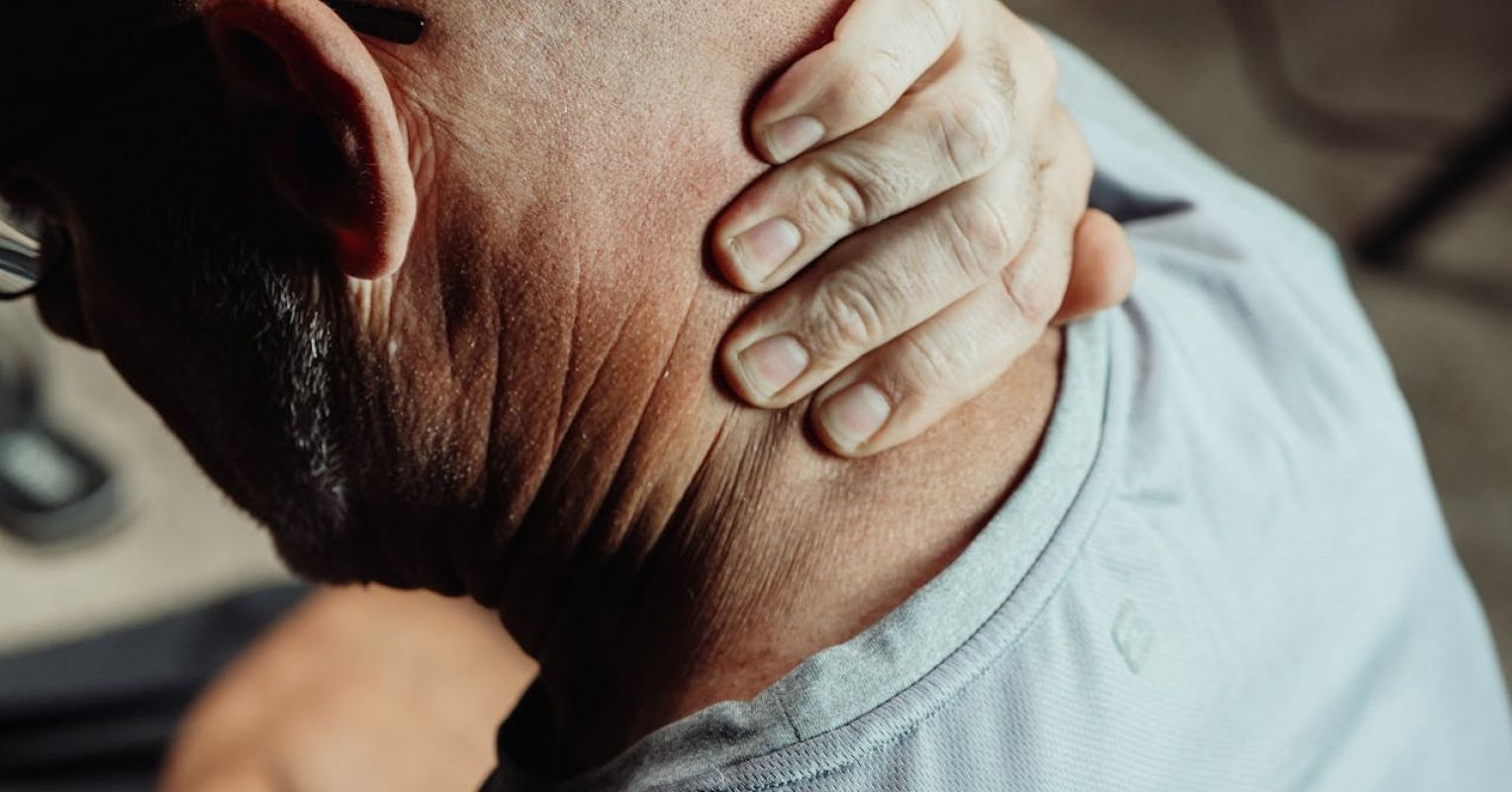
"Many of us find that we still have pain to deal with after a medical procedure or an injury heals. If our pain is fairly low, most of us do our best to adapt and ignore it as we go about our life. The alternatives are generally habit-forming medications with side effects that cannot be taken very long without risking needing more over time."
"Pain wakes people at night and interferes with getting adequate sleep. A lack of sleep interferes with enjoying the next day and functioning well. Once-loved sports and hobbies are given up because they set off too much pain. Social activities that increase the pain are reluctantly avoided. People start being afraid of a future in which their level of pain increases and makes their life intolerable. They start feeling isolated and left out as they watch friends continue activities without them."
Chronic pain often persists after injuries or procedures and can be managed by changing perception and approach rather than relying on habit-forming medications. Low-level pain is commonly adapted to, but chronic pain disrupts sleep, reduces participation in sports and social activities, and fosters fear of worsening pain, isolation, and shrinking social circles. Mental health often worsens alongside chronic pain, especially with aging populations. Modern access to historical pain-management techniques via the internet enables nonpharmacological strategies. Three basic medication-free approaches include distraction, focused attention, and submission, which can minimize pain impact.
Read at Psychology Today
Unable to calculate read time
Collection
[
|
...
]