"I am a UX designer, which means I can no longer use the internet without noticing everything that is wrong with it. This article is about UX patterns that are frustrating, widely adopted, and somehow still treated as acceptable at massive scale. If you have never noticed them, consider yourself lucky. Once you do, they become impossible to unsee. Your tolerance for digital nonsense may permanently decrease after reading this article. That is your warning!"
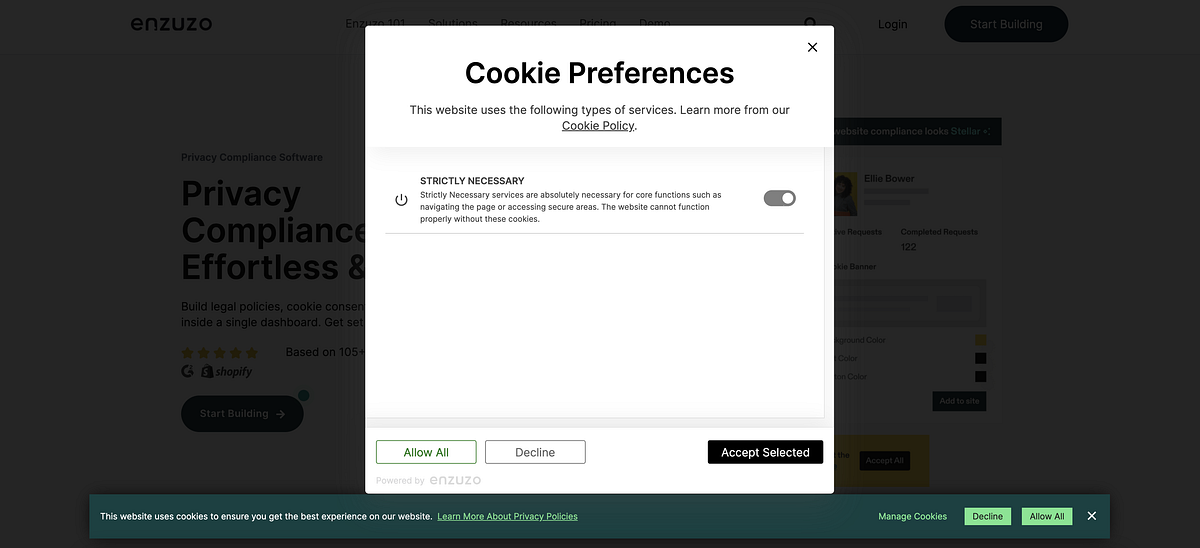
"Cookie consent banners are legally required, but their current execution is one of the most disruptive patterns on the web. Cookie consent banners became mandatory due to privacy regulations such as the EU's GDPR and the California Consumer Privacy Act, introduced by lawmakers to limit uncontrolled data tracking and give users legal rights over how their data is collected and used."
UX patterns such as aggressive cookie consent banners and intrusive e-commerce pop-ups harm usability at scale. Cookie consent banners are legally required under regulations like the EU's GDPR and the California Consumer Privacy Act, but many implementations block content, appear before meaningful interaction, and force decisions from uninformed users. That causes users to click 'Accept' reflexively and ignore privacy controls. Social and commerce experiences often show targeted products, only to have pop-ups or consent UIs obstruct the item, prompting users to accept or abandon the page. Many of these patterns persist for business, legal, or regulatory reasons despite worsening the experience.
Read at Medium
Unable to calculate read time
Collection
[
|
...
]