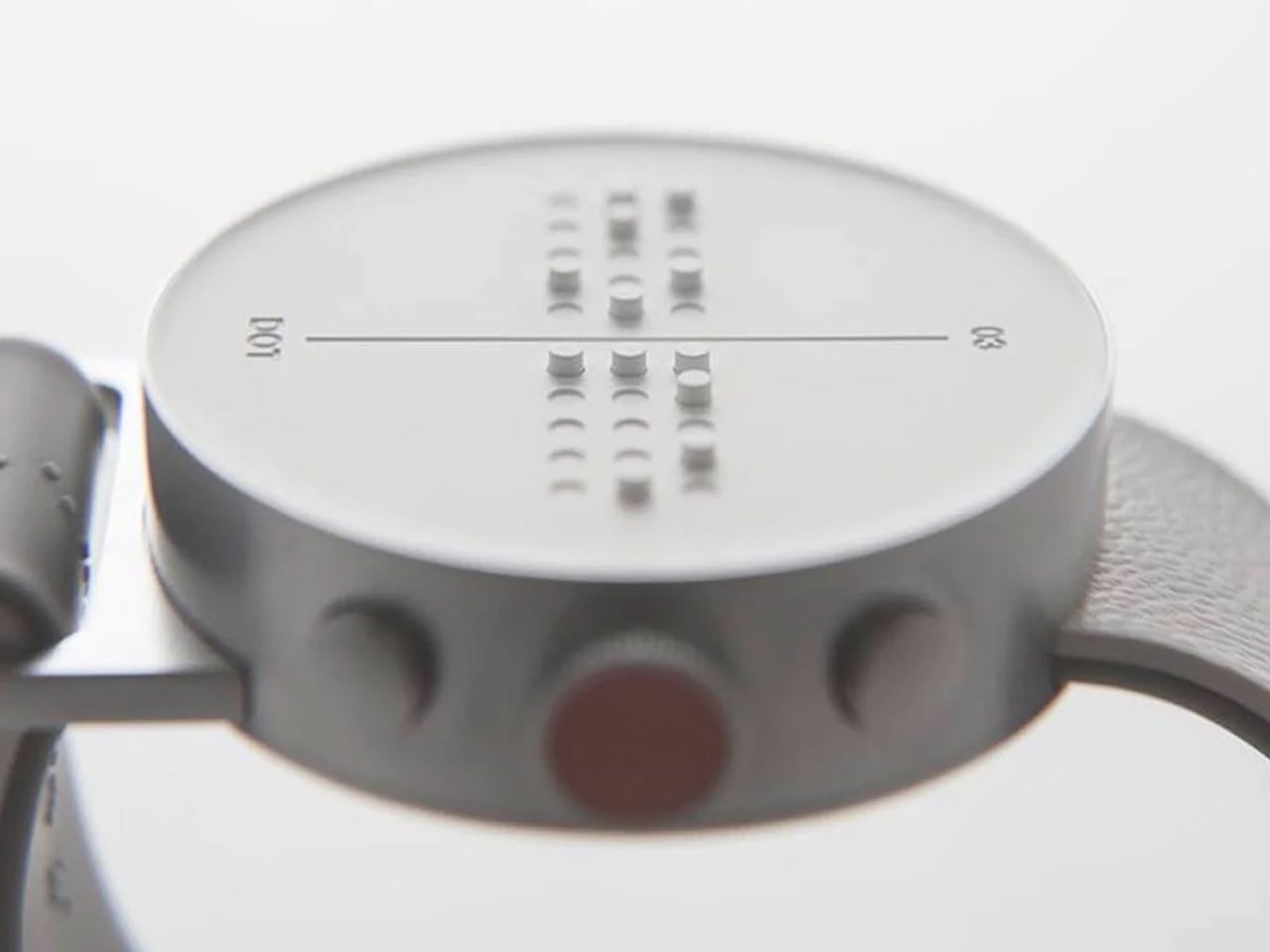
"Designers and manufacturers are embracing a 'Braille-first' philosophy, where touch, haptic feedback, and tactile cues become primary tools for interaction, transforming everyday objects into interactive devices."
"Braille-first design emphasizes textures, weights, and tangible feedback, allowing users to navigate functions intuitively and confidently through tactile spatial language in product design."
"When tactile cues are built into materials such as metal, wood, or molded composites, they feel deliberate and well-crafted, making accessibility a design asset."
"Blind students often rely on expensive embossers and special paper for Braille content, while most assistive devices remain bulky and fragile, not suited for school life."
The 'Braille-first' design philosophy emphasizes touch, haptic feedback, and tactile cues as primary interaction tools. This approach transforms products into interactive, human-centered devices, enhancing usability and user satisfaction. Tactile spatial language guides interaction through surfaces and controls designed for touch rather than vision. Integrating raised markers and textures into materials enhances product quality and user trust. Current assistive devices for blind students are often inadequate, highlighting the need for more practical, child-friendly solutions in educational environments.
Read at Yanko Design - Modern Industrial Design News
Unable to calculate read time
Collection
[
|
...
]