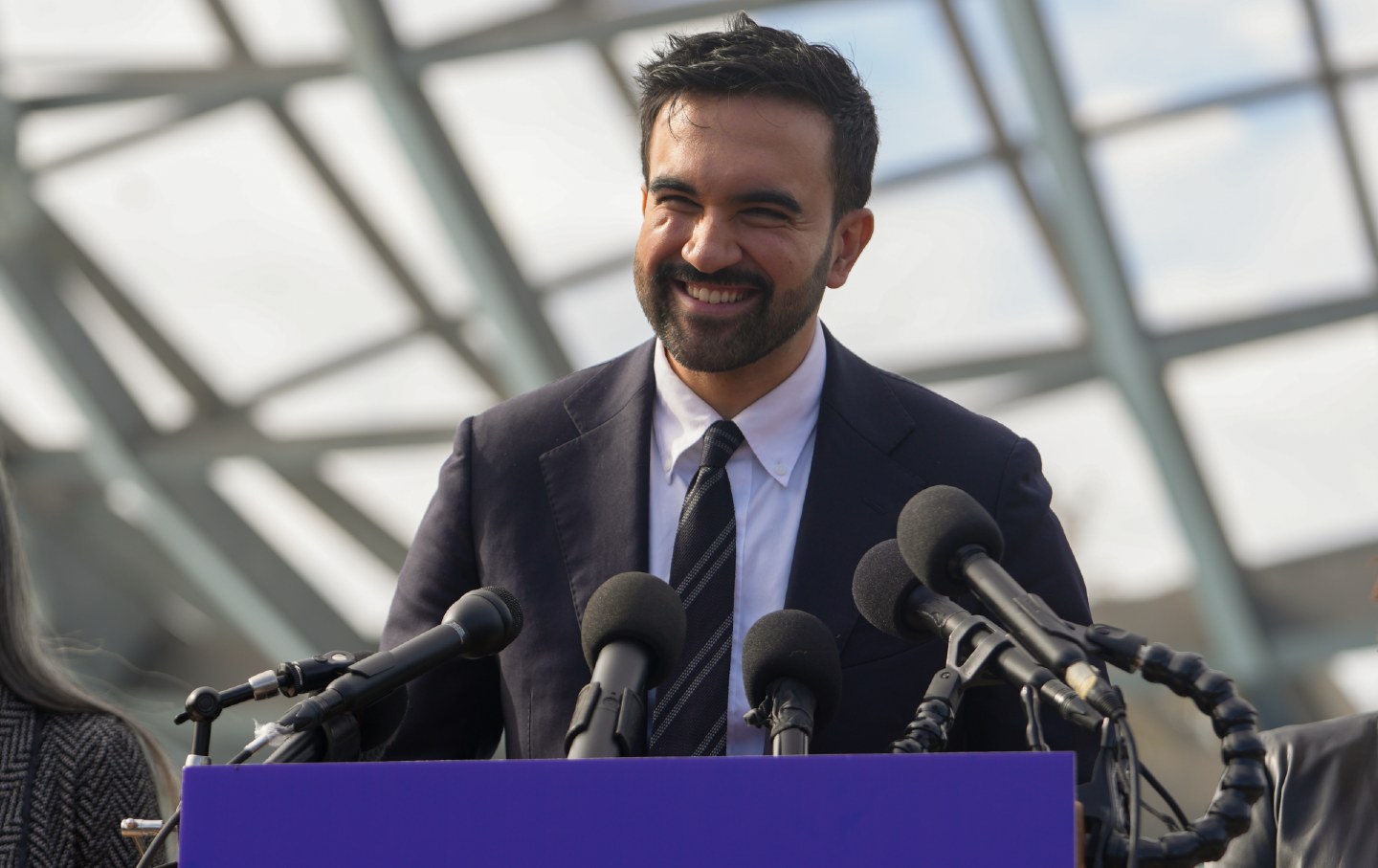
Zohran Mamdani's mayoralty requires not only policy wins but also the construction of durable working-class political power to prevent reforms from reversing after his term. John Vliet Lindsay passed notable progressive laws between 1966 and 1973 yet oversaw an erosion of working-class influence that ultimately undid his accomplishments and left his reputation diminished. Durable power must be built through political organizations, coalitions, and a strategic approach to the city's political economy. Without deliberately strengthening labor and community power, progressive policy gains risk becoming transient and subject to rollback after an administration ends.
"This third possibility has often been overlooked by commentary around Zohran Mamdani's election as New York City mayor. However, this scenario fits the tenure of John Vliet Lindsay perfectly: a New York mayor who, from 1966 to 1973, passed progressive legislation that leftists would dream of winning today, but whose administration nonetheless oversaw an erosion of working-class power. Because of this failure, Lindsay's good intentions and accomplishments were largely for naught."
"To avoid this melancholy fate, Mamdani must do more than deliver good policies on behalf of the city's most marginalized. He must also build durable power among New York's working class through his political organizations, coalitions, and approach toward the city's political economy. If Mamdani can learn from Lindsay, he can establish a progressive legacy that can survive and be built upon. If he doesn't, then he will become what a reporter once said of Lindsay: someone who "gave good intentions a bad name.""
Read at The Nation
Unable to calculate read time
Collection
[
|
...
]