"Playing armchair psychologist, I have no idea if Trump really believes that video to be seditious or if he even knows what actually constitutes sedition. I doubt it matters to him. For whatever reason-distraction? attention-grabbing? meat for his base? unbridled id?-he used that video to effectively change the subject, while a pliant media and public largely went along with him."
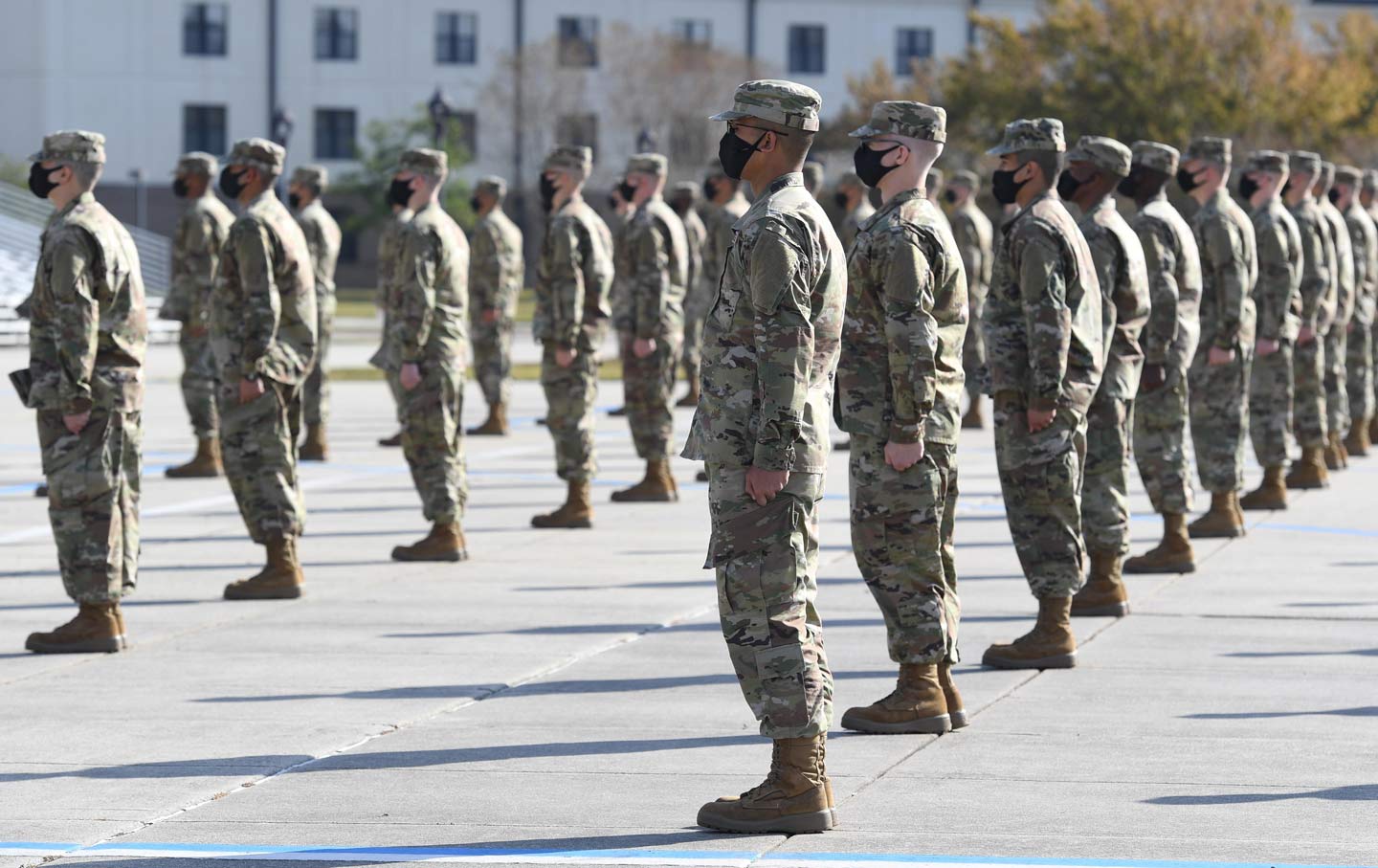
"Joy Metzler, a 24-year-old graduate of the Air Force Academy, left the military as a conscientious objector this past April. She credits two required courses on law and ethics at the Academy for leading her to first question and then conclude that she couldn't support her country's role in the then-ongoing genocide in Gaza. "The thought of being given an order that was illegal or unconstitutional was almost unthinkable to me at the time, I just didn't think it happened," she emailed me recently."
Political actors can weaponize allegations of sedition and protected speech to shift public attention and politicize institutions like the War Department and Department of Justice. A president's use of provocative media can redirect media focus and obscure debates about military orders and obligations. Military education in law and ethics can prompt service members to question orders that appear illegal or immoral. Some service members have sought conscientious objector status after concluding they cannot support actions tied to alleged atrocities. Media acquiescence and institutional politicization increase risks for those who resist or publicly criticize orders.
Read at The Nation
Unable to calculate read time
Collection
[
|
...
]