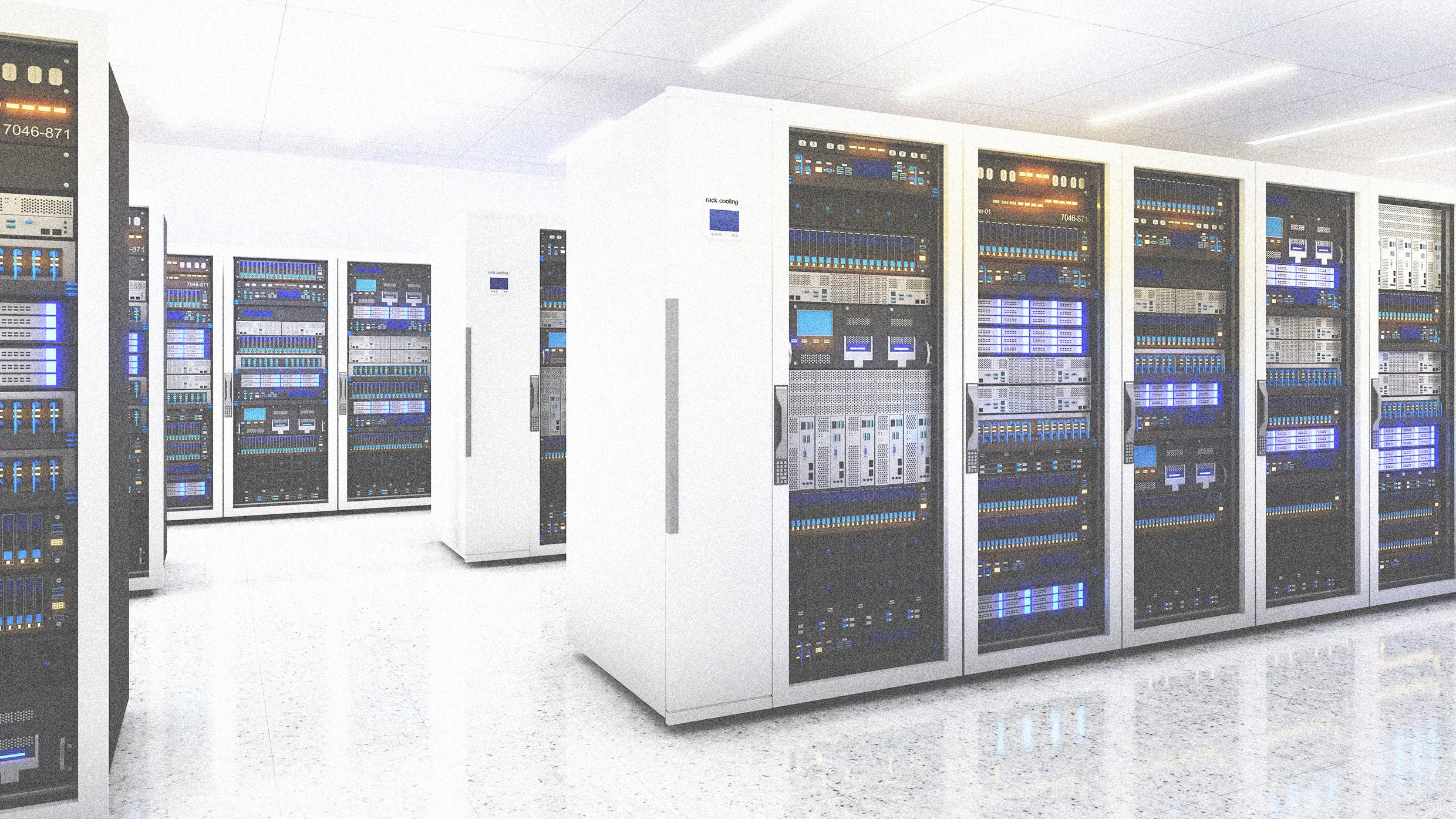
"The amount of electricity data centers use in the U.S. in the coming years is expected to be significant. But regular reports of proposals for new ones and cancellations of planned ones mean that it's difficult to know exactly how many data centers will actually be built and how much electricity might be required to run them. As a researcher of energy policy who has studied the cost challenges associated with new utility infrastructure, I know that uncertainty comes with a cost."
"For years, large electricity customers such as textile mills and refineries have used enough electricity to power a small city. Moreover, their construction timelines were more aligned with the development time of new electricity infrastructure. If a company wanted to build a new textile mill and the utility needed to build a new gas-fired power plant to serve it, the construction on both could start around the same time. Both could be ready in two and a half to three years, and the textile mill could start paying for the costs necessary to serve it."
"Modern data centers use a similar amount of electricity but can be built in nine to 12 months. To meet that projected demand, construction of a new gas-fired power plant, or a solar farm with battery storage, must begin a year-maybe two-before the data center breaks ground. During the time spent building the electrical supply, computing technology advances, including both the capabilities and the efficiency of the kinds of calculations artificial intelligence systems require. Both factors affect how much electricity a data center will use once it is built."
U.S. data centers are expected to consume substantial electricity in coming years, but frequent proposals and cancellations create deep uncertainty about actual build-out and demand. State utility regulators must determine how to allocate the costs of generating and delivering power for large-load customers. Traditional industrial customers had construction timelines aligned with utility projects, allowing simultaneous completion and predictable cost recovery. Modern data centers can be built in under a year, forcing utilities to start generation or storage construction well before data-center ground-breaking. Rapid advances in computing and AI during lead times alter future consumption, complicating planning and cost allocation.
Read at Fast Company
Unable to calculate read time
Collection
[
|
...
]