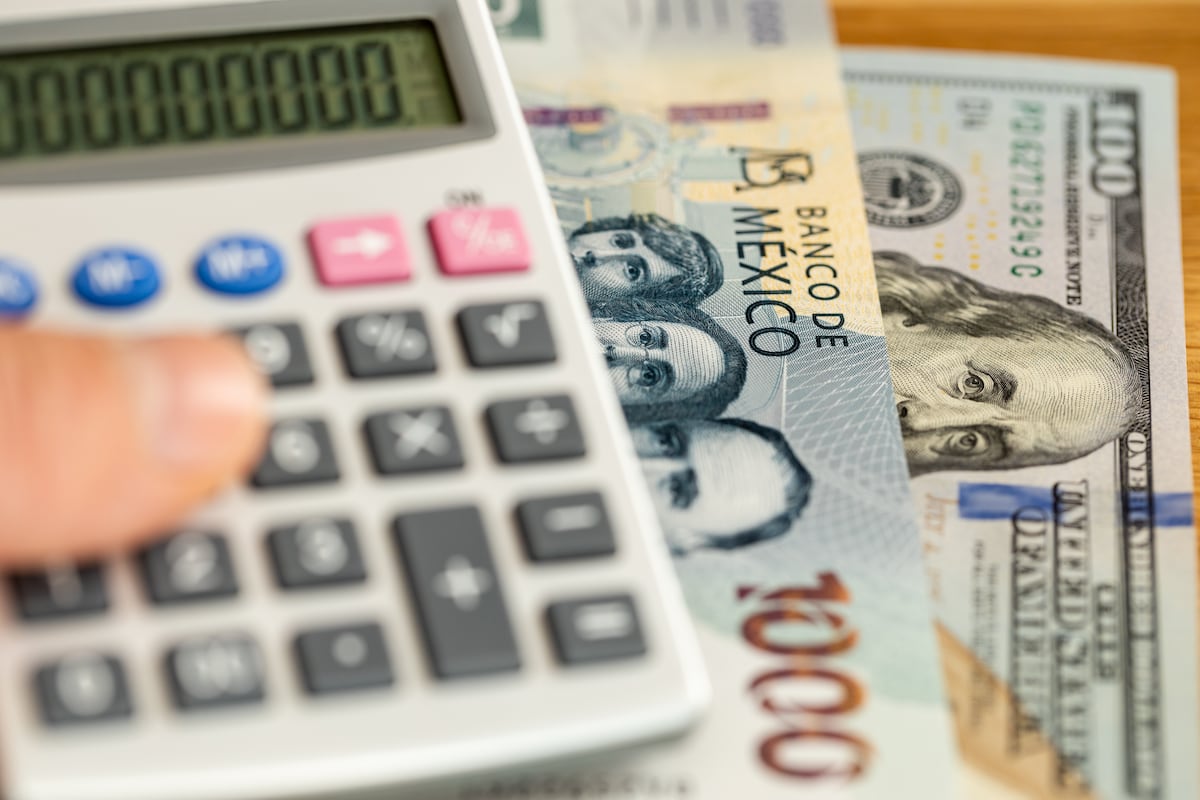
"How does it work? The 1% tax will be applied as a commission on remittances sent through physical means, such as cash, checks, and money orders. The fee will be charged directly by the financial institution or remittance company used by the sender, which will be responsible for reporting the amount collected to the Department of the Treasury. The tax is added to the total cost of the remittance and does not reduce the amount received by the recipient."
"Who is exempt from the tax? The 1% tax will not apply to remittances sent through digital or banking methods, such as debit or credit cards issued in the United States, digital wallets (including Google Pay, Apple Pay, or Vigo Money), and prepaid cards. Some companies have also begun offering alternatives to avoid the tax. For example, Western Union offers a card that allows users to load cash and send remittances, with the funds remaining exempt from the 1% tax."
Starting January 1, 2026, a 1% tax will be applied to remittances sent from the United States via physical means such as cash, checks, and money orders. Financial institutions and remittance companies will charge the commission and report collections to the Department of the Treasury. The tax is added to the remittance cost and does not reduce recipients' received amounts. Digital and banking methods, including U.S.-issued debit or credit cards, digital wallets, and prepaid cards, are exempt. Some companies are offering alternatives to avoid the tax. Mexico is among the countries expected to be hardest hit given its large remittance inflows and recent declines reported by Banxico.
Read at english.elpais.com
Unable to calculate read time
Collection
[
|
...
]