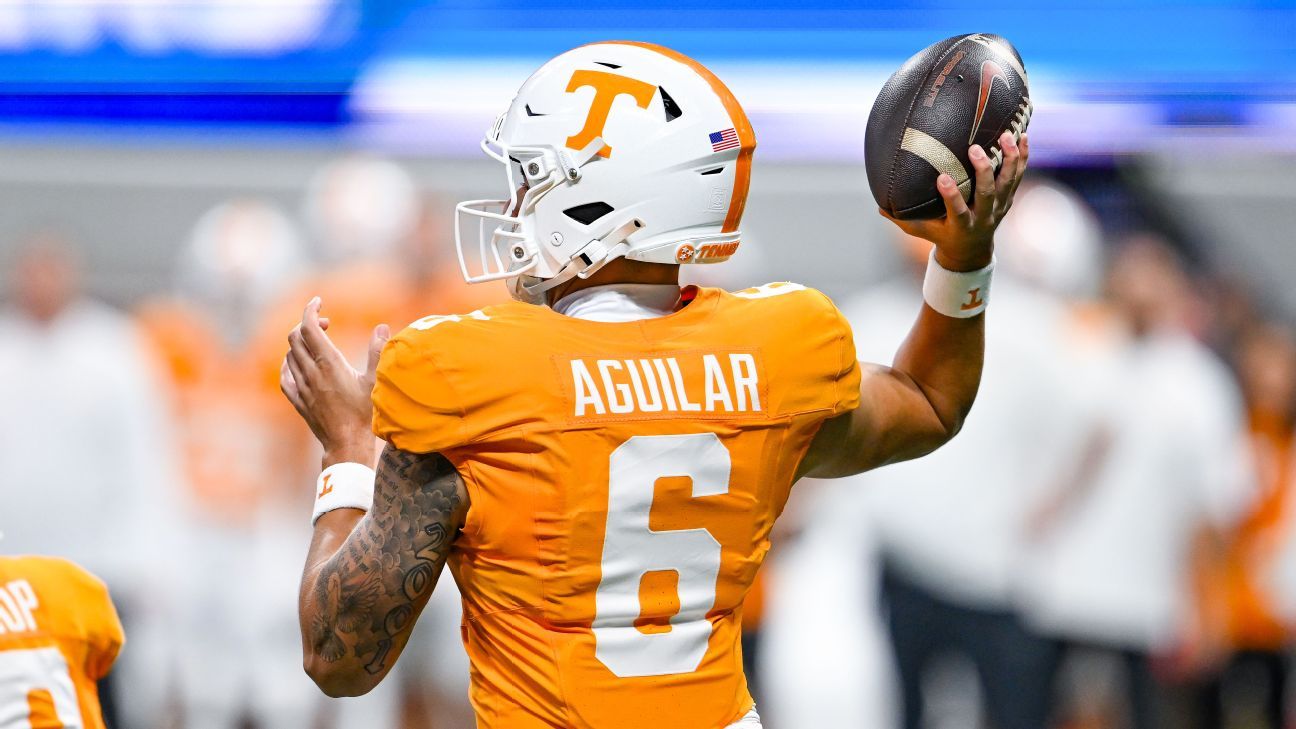
Judges in local courts are increasingly deciding player eligibility, enabling athletes to compete despite clear NCAA rules. Recent cases involve Alabama basketball and Tennessee football, with courts considering injunctions that override established eligibility standards. The trend stems from inconsistent NCAA rulings and aggressive legal challenges from plaintiffs and coaches seeking competitive advantage. The NCAA currently lacks an effective strategy to prevent courts from intervening, putting its role as an organizing authority at risk. Basic age, residency, graduation and draft-timing rules are being undermined, turning rule enforcement into a patchwork dependent on where cases are filed.
"For a team to succeed in college athletics, you need a quality coach, top-of-the-line facilities and, at least these days, a new asset: a five-star local judge. On Friday alone, judges will decide if Alabama basketball can continue playing a 7-footer who spent 2½ seasons, including games last month, in the G League and whether Tennessee football next season will have a 25-year-old quarterback who first enrolled in junior college back in 2019."
"By not controlling who is or isn't eligible to play, the NCAA is quickly losing the ability to function as an organizing athletic body. This is far more important than, say, NIL compensation, where well-meaning arguments on all sides exist. This is basic stuff. You can't play U8 soccer if you're 10. You can't be on a city team in the Little League World Series if your players hail from three states over."
Read at ESPN.com
Unable to calculate read time
Collection
[
|
...
]