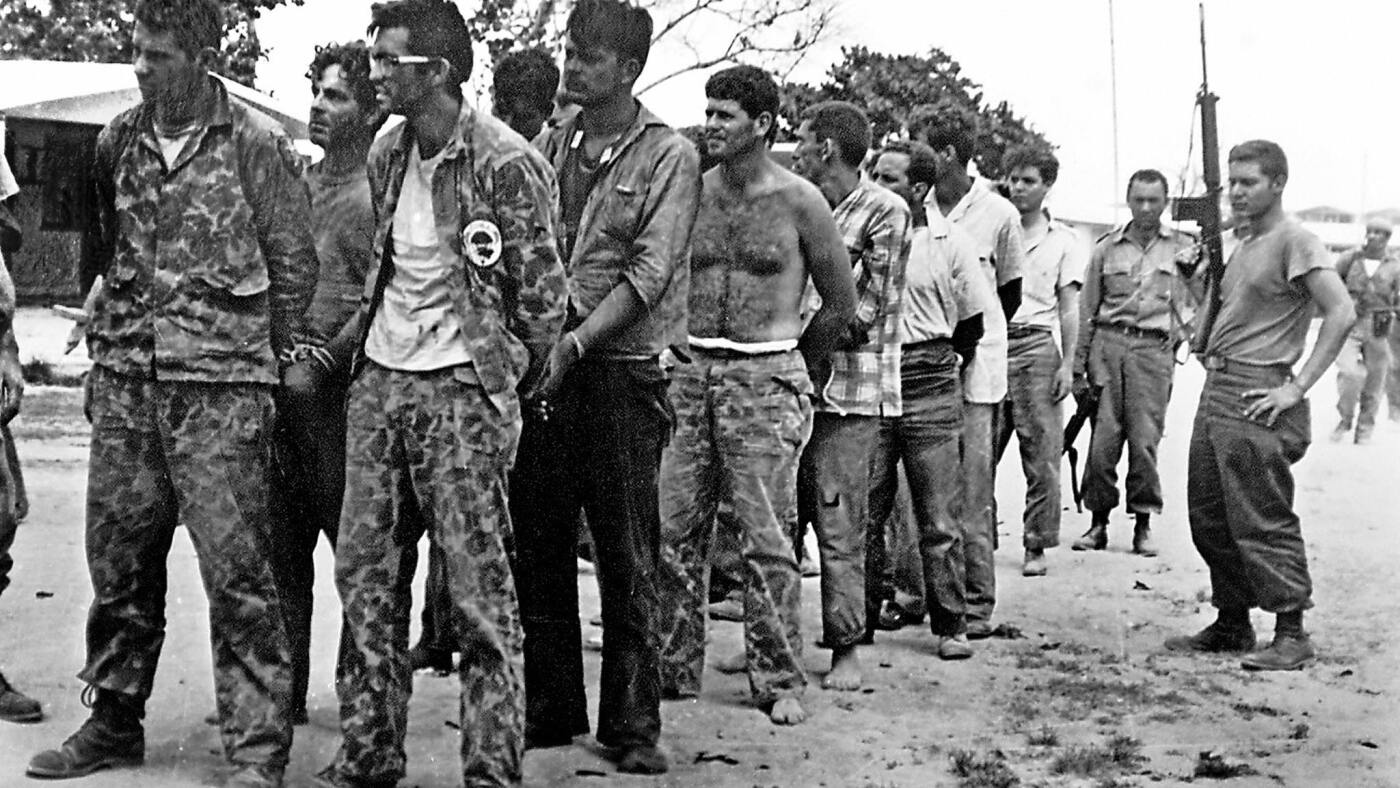
"President Trump's pressure campaign against Venezuelan leader Nicolas Maduro is the latest chapter in a long history of U.S. intervention in the Caribbean basin, rooted in the 1823 Monroe Doctrine but fully realized in the 20th century ostensibly to protect U.S. interests and counter communism. In recent months, U.S. strikes on boats that the White House says were transporting Venezuelan drugs, the seizure of Venezuelan oil tankers,"
"In it, Roosevelt built on the Monroe Doctrine, which was formulated originally by President James Monroe to warn European powers away from interfering in the region. Roosevelt, who himself fought against Spain in Cuba in 1898, expanded that doctrine to assert a U.S. right to act unilaterally as a regional policeman using military force to reinforce diplomatic pressure to advance its interests."
U.S. policy toward the Caribbean has a long history of unilateral intervention rooted in the 1823 Monroe Doctrine and expanded under Theodore Roosevelt's 'Big Stick' approach. Military force and diplomatic pressure have been used to protect U.S. interests and to police the region. Actions in recent months include strikes on suspected drug-transporting boats, seizure of Venezuelan oil tankers, and a CIA strike on a dock. After World War II, focus shifted to preventing the spread of communism, leading to covert Cold War interventions and more overt actions by the 1980s. Policy prioritized strategic denial of non-American influence in the hemisphere.
Read at www.npr.org
Unable to calculate read time
Collection
[
|
...
]