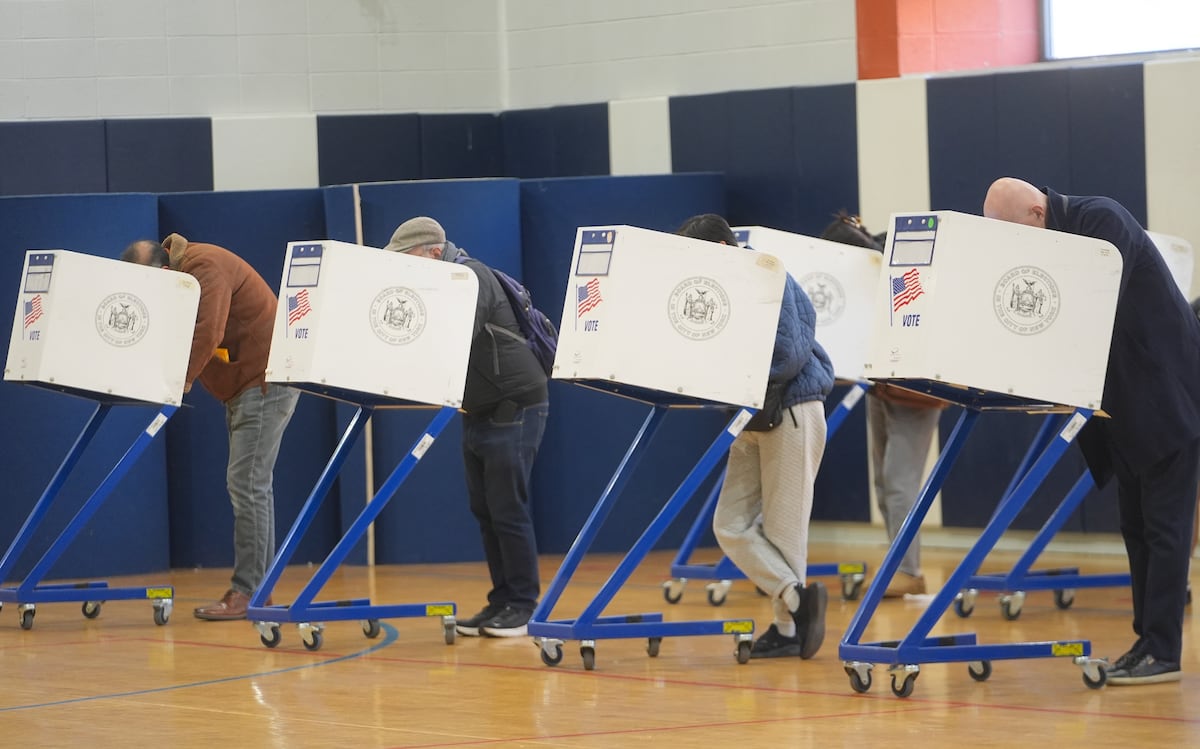
"With nine months to go before the midterm elections, which will determine the composition of both houses of Congress, the new law, supported by President Donald Trump, would require U.S. citizens to present a passport or birth certificate to register to vote. In a message on Truth Social, Trump called on Republicans to support the act, arguing: America's Elections are Rigged, Stolen, and a Laughingstock all over the World. We are either going to fix them, or we won't have a Country any longer."
"Democratic lawmakers and civil rights organizations are denouncing the new requirements, saying they disproportionately affect women, rural voters, and low-income families. The SAVE America Act is voter suppression, plain and simple. It will make it harder and more expensive for American citizens especially women, said Teresa Leger Fernandez, a Democratic representative from New Mexico who chairs the Democratic Women's Caucus."
"The House of Representatives approved on Wednesday a new electoral law that introduces significant changes to voting regulations. The socalled Safeguard American Voter Eligibility (SAVE) America Act passed with 218 votes in favor and 213 against in the lower chamber, with unanimous support from Republicans and one Democrat vote, cast by Texas Representative Henry Cuellar."
The House approved the Safeguard American Voter Eligibility (SAVE) America Act by a 218-213 vote, with unanimous Republican support and one Democratic yes from Representative Henry Cuellar. The law would require U.S. citizens to present a passport or birth certificate to register to vote, with nine months remaining before the midterm elections. President Donald Trump urged Republican backing on Truth Social, calling elections rigged. The bill is unlikely to clear the Senate without several Democratic votes to reach 60. Democratic lawmakers and civil rights groups say the measure disproportionately burdens women, rural residents, and low-income families, noting nearly 70 million women may be affected by name-change and dual-surname issues.
Read at english.elpais.com
Unable to calculate read time
Collection
[
|
...
]